
The New Arms Race: Electricity as the Defining Asset in AI Infrastructure
A tectonic shift is underway in the digital economy, one that upends decades-old assumptions about what constitutes strategic advantage in technology. The $9 billion unsolicited bid by CoreWeave for Core Scientific, a company recently emerged from bankruptcy and now pivoting from crypto mining to AI data center operations, is more than a high-stakes M&A drama. It is a bellwether for a new era, where the scarcest—and most fiercely contested—resource is not capital or silicon, but electricity itself.
From Crypto Mines to AI Powerhouses: The Evolution of Infrastructure Value
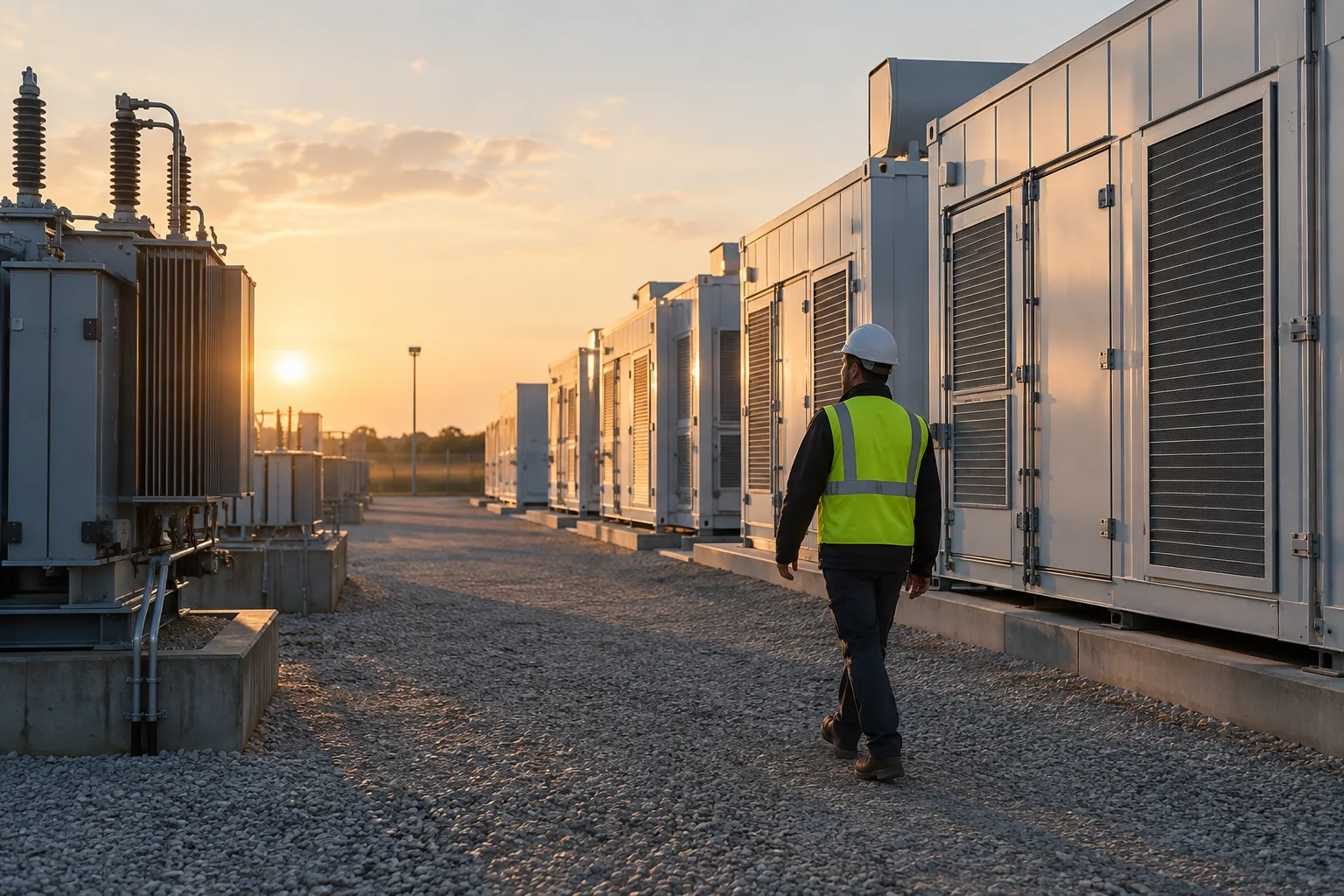
The narrative arc of Core Scientific is emblematic of a broader industry metamorphosis. Once a titan of crypto mining, the firm’s Chapter 11 reset allowed it to shed the ballast of obsolete ASIC hardware and embrace a future as a GPU-centric AI hosting platform. This transformation was not merely technological; it was infrastructural. Core Scientific’s most coveted asset is no longer its racks of servers, but its 2 gigawatts of contracted power—an energy footprint that rivals a third of New York City’s average load.
For CoreWeave, a cloud provider rich in GPUs but hungry for scale, the acquisition is less about physical real estate and more about capturing these megawatt-hours. Shareholder resistance, led by voices like Two Seas Capital, underscores a profound re-rating underway: data center valuations are migrating from EBITDA multiples to “megawatt-hours secured” as the new yardstick. In this calculus, first-mover power contracts at 3–4 cents per kilowatt-hour are more valuable than the land or buildings themselves.
The Scarcity Premium: Navigating a Grid Under Siege
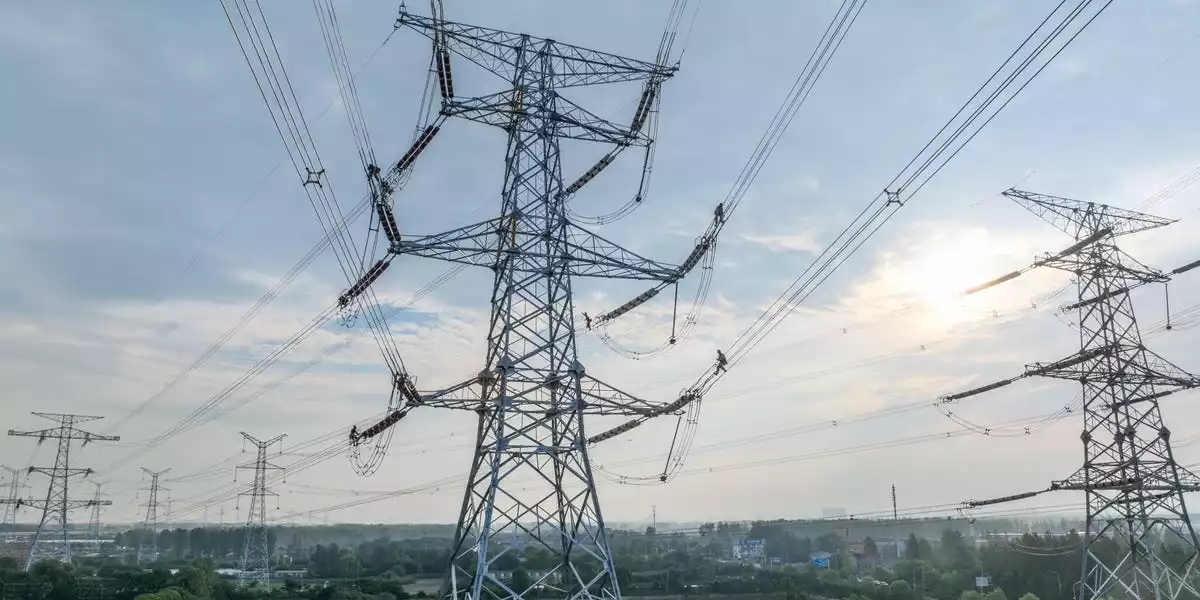
The backdrop to this deal is a U.S. power grid straining under unprecedented demand. Data-center construction has already declined 17.5% in the first half of 2025, throttled by grid constraints even as McKinsey projects an 80 GW surge in demand by 2030—necessitating a staggering $2.8 trillion in new infrastructure. Goldman Sachs forecasts a persistent 10% annual shortfall in U.S. power supply through 2028, a deficit that is rapidly transforming electricity from a utility into a strategic moat.
Developers are now scouring overlooked geographies—North Dakota, West Texas, Québec—where surplus wind, hydro, or gas-fired electrons can be procured at a discount, and interconnection queues are less daunting. This mirrors the shale revolution’s migration of capital to unconventional basins, as data center operators seek to arbitrage geographic and regulatory disparities.
Policy, too, is in flux. FERC’s Order 2023 promises to streamline interconnection backlogs, but the reality on the ground remains one of regulatory bottlenecks and protracted utility negotiations. The Inflation Reduction Act injects new incentives for on-site renewables and storage, but the path to grid modernization is neither straight nor swift.
Capital, Control, and the New Metrics of Success
The capital markets have already internalized this new reality. With $46.1 billion in data-center M&A closed in 2025 alone, investors are voting with their wallets for brownfield megawatts over greenfield dreams. Elevated interest rates have raised the cost of capital, but the scarcity premium on power allows operators to pass through higher pricing, preserving margins and fueling further consolidation.
Strategically, controlling power is now a hedge against the semiconductor bottleneck. In negotiations with Nvidia, AMD, and custom ASIC vendors, guaranteed access to electrons is as potent as any supply chain advantage. There is also an ESG dimension: AI’s voracious appetite for power can be partially offset by sourcing low-carbon electrons, turning renewable power purchase agreements into instruments of both compliance and arbitrage.
The sector’s evolution is also redefining relationships with the broader grid. Data centers are emerging as anchor tenants for transmission corridors vacated by coal retirements, smoothing grid stability while monetizing legacy infrastructure. The interplay of industrial load balancing, regulatory reform, and capital allocation is creating a landscape where only those who master the intricacies of power procurement and management will thrive.
The Future of Compute: Securing Tomorrow’s Watts Today
Whether CoreWeave’s bid for Core Scientific succeeds or falters, the message to operators, investors, and policymakers is unmistakable: the future of AI infrastructure will be determined not by who has the fastest chips or the deepest pockets, but by who can secure, steward, and scale access to affordable, reliable electricity.
In this new arms race, power procurement is no longer a back-office function—it is a boardroom imperative. The winners will be those who treat megawatt-hours as the ultimate currency, leveraging every tool from modular renewables to advanced nuclear pilots, and who recognize that in the generative AI era, the true measure of value is not just what you compute, but what you can power.

 By
By
 By
By

 By
By
 By
By
 By
By

 By
By