
The High-Stakes Gamble: Microsoft’s AI-Driven Transformation
Microsoft, long the archetype of stable enterprise software, now finds itself at a crossroads that will define not only its own future but the shape of the entire technology sector. In a move that is as audacious as it is unsettling, CEO Satya Nadella has authorized mass layoffs while simultaneously committing an eye-watering $80 billion to AI infrastructure. This juxtaposition—shedding human capital while doubling down on computational horsepower—signals a tectonic shift in how value is created, captured, and distributed in the digital economy.
Capital Flows, Talent Upheaval, and the New Economics of Scale
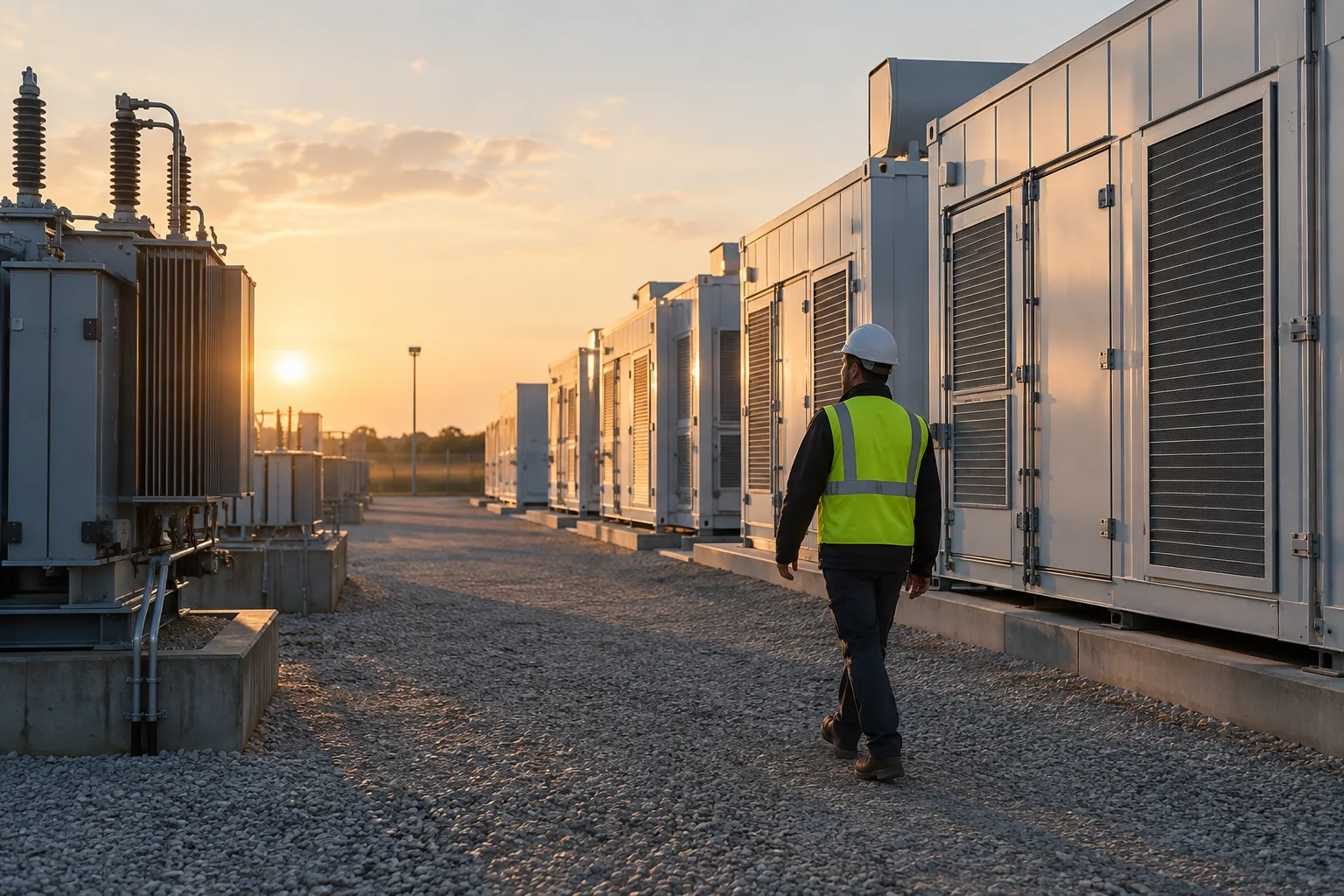
The economics of AI are rewriting the rules of engagement for even the most cash-rich incumbents. Microsoft’s $80 billion pledge—twice its FY23 net income—telegraphs to Wall Street that the era of buybacks and dividends is yielding to one of relentless reinvestment. The new battleground is not merely software, but the physical substrate of AI: hyperscale data centers, GPU clusters, and the energy grids that sustain them.
- AI Data Centers: Each hyperscale cluster now commands capital expenditures exceeding $30 million, dwarfing the traditional cloud build-outs of the past decade.
- Talent Stratification: While thousands are being let go, a rarefied echelon of AI scientists now command compensation packages north of $2 million annually. The message is clear: generalist software roles are commoditizing, while expertise in frontier models is appreciating at a premium.
- Labor-to-Compute Substitution: The implicit thesis—one highly skilled employee armed with a thousand GPUs can outperform a hundred coders—reshapes workforce planning across the industry.
Yet, this transition is not without risk. Microsoft’s deepening entanglement with OpenAI, once a portfolio experiment and now a strategic bottleneck, introduces a new dependency. As OpenAI edges toward a for-profit model, the balance of power shifts, raising the specter of margin migration away from Microsoft and toward its critical supplier.
Strategic Paradoxes and Competitive Exposures
Nadella’s invocation of Digital Equipment Corporation (DEC) is more than a cautionary tale; it is a call to arms. DEC’s inability to reallocate resources from high-margin mainframes to low-margin microcomputers sealed its fate. Microsoft faces a similar paradox: the very ubiquity of its enterprise distribution could become a liability if legacy contracts are misaligned with the cost structure of AI compute.
- Silicon Sovereignty: Rivals like Google, Amazon, and Meta are racing to develop proprietary AI chips, insulating themselves from supply chain shocks and external dependencies. Microsoft, by contrast, remains reliant on Nvidia and external model providers, a vulnerability amplified by ongoing geopolitical tensions in the global chip market.
- Software Moats Under Siege: The specter of AI simulating entire software companies—compressing product cycles and eroding traditional differentiation—looms large. Elon Musk’s “Macrohard” quip, while glib, captures a deeper anxiety: in the age of generative AI, code is no longer the fortress it once was.
This recalibration is not limited to technology and capital. The cultural fabric of Microsoft is being tested as never before. Layoffs during record profitability threaten employee loyalty and the retention of tacit knowledge—an intangible yet vital asset during platform transitions. Boardrooms must now weigh the trade-offs between near-term earnings and the existential imperative to reinvent.
Navigating the New AI-First Terrain: Implications for Leaders
The implications of Microsoft’s transformation ripple far beyond Redmond. For decision-makers across the technology landscape, several imperatives emerge:
- Financial Narratives: Expect a pivot in investor communications, with free cash flow adequacy supplanting gross margin as the favored metric—mirroring the capital-intensive logic of utilities.
- Contractual Dynamics: Enterprises negotiating Azure contracts should brace for AI-specific surcharges and GPU reservation fees, with prudent procurement leaders seeking price-escalator caps linked to commodity indices.
- Ecosystem Strategy: ISVs embedded within Microsoft’s stack may enjoy short-term gains from Copilot integrations but must remain vigilant against platform risk as Microsoft tightens its AI roadmap. Multi-cloud diversification becomes a strategic hedge.
- Talent and Workforce: The psychological contract in tech is being rewritten. Job security is no longer a given, even at the industry’s apex. Upskilling must now focus on AI orchestration, prompt engineering, and domain-specific model tuning—disciplines less susceptible to automation.
- Regulatory and ESG Pressures: The environmental footprint of hyperscale AI—power draw, water usage, and supply chain concentration—invites scrutiny from regulators and antitrust agencies alike. Early engagement on renewable energy and data openness will be critical to managing both costs and reputational risk.
Microsoft’s duality—simultaneously contracting its workforce and expanding its capital commitments—captures the software industry’s migration from labor-intensive innovation to capital-intensive AI dominance. Whether this massive bet yields a defensible moat or simply accelerates the commoditization cycle remains an open question. What is certain is that the next era of technology leadership will be defined not by the size of one’s payroll, but by the audacity and precision with which capital, compute, and talent are orchestrated.

 By
By
 By
By

 By
By
 By
By
 By
By

 By
By