


The New Minimalism: How Gen-Z Founders Are Redefining Startup Life
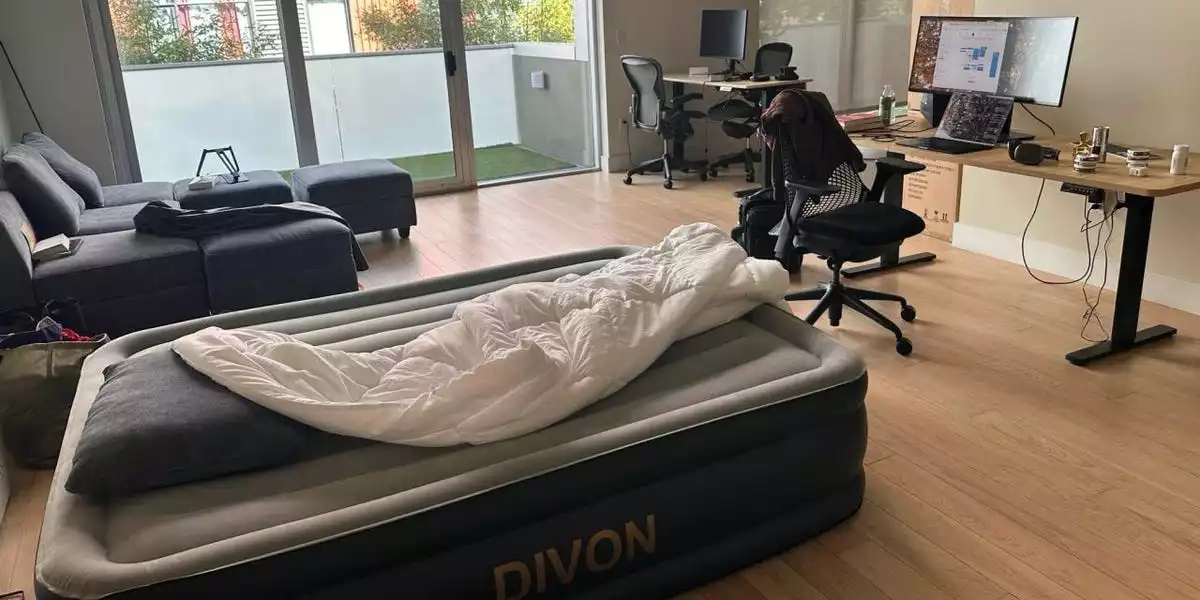
A new breed of venture-backed founders, as profiled in Business Insider, is quietly rewriting the script for early-stage innovation. Gone are the days of lavish offices and ping-pong tables; in their place, a radical minimalism prevails—air mattresses pressed against whiteboards, kitchenettes masquerading as TikTok studios, and a relentless focus on productivity over comfort. These vignettes, while anecdotal on the surface, are harbingers of deeper structural shifts in how startups are conceived, built, and branded in the AI age.
Capital Efficiency and the Compression of Space
The economic backdrop is unmistakable: with real interest rates at decade highs, the cost of capital has become an ever-present constraint. Seed funding is still within reach, but every dollar is now scrutinized, every expense weighed against its potential to accelerate product-market fit. For the founders of today, this means:
- Living and working in the same space to eliminate commute times and maximize productive hours.
- Resource prioritization favoring cloud credits, automation tools, and content creation hardware over traditional amenities.
- Minimalist aesthetics—not just as a lifestyle choice, but as a cognitive strategy to reduce decision fatigue and maintain focus.
This is not simply a matter of thrift. The shift is powered by technological advances—serverless architectures, AI-driven code generation, and automated workflows—that allow teams to do more with less. Payrolls shrink, fixed costs migrate to the cloud, and even living expenses are subjected to the same relentless drive for efficiency.
The Hybridization of Brand, Space, and Identity
What sets this generation apart is not just their frugality, but their fluency in blending personal narrative, workspace, and brand. For Gen-Z founders, the boundaries between home and office, private life and public persona, are not merely blurred—they are actively dissolved. The very spaces they inhabit become stages for short-form video, livestreams, and product demos, turning everyday environments into powerful branding assets.
- Lofts and kitchens double as content studios, with every release captured and shared across TikTok and Discord.
- Authenticity trumps polish; the image of a founder shipping code from an air mattress is not a liability, but a badge of honor in the digital commons.
- Well-being is managed through ad-hoc, founder-driven solutions—incense, Airbnb rotations—rather than institutional benefits, underscoring a persistent gap in health support at the earliest stages.
This fusion of workspace and storytelling is not lost on larger firms. Some are already experimenting with “creator corners” and pop-up labs within their headquarters, borrowing from the startup playbook to inject authenticity and agility into their own innovation cycles.
Strategic Ripples: From Vendor Playbooks to Investor Diligence
The implications of this new ethos ripple outward, touching every stakeholder in the startup ecosystem:
- SaaS vendors must recalibrate their offerings for ultra-lean teams: usage-based pricing, rapid onboarding, and frictionless upgrades are now table stakes.
- Furniture and IoT brands have a white-space opportunity with modular, camera-friendly products tailored for hybrid live-work studios.
- Investors are rethinking diligence frameworks; traditional burn-rate metrics lose their predictive power when living and working costs merge. Instead, metrics like product push cadence, developer forum presence, and social velocity per engineering hour become the new signals of momentum.
For those building the infrastructure of tomorrow—whether in prop-tech, HR-tech, or cloud services—the rise of “integrated living” is an invitation to innovate. Micro-lofts with enterprise-grade connectivity, cognitive-wellness APIs embedded in productivity suites, and digital-first access control systems are on the horizon.
Navigating the Always-On Future
Yet, this relentless compression of space and time is not without its hazards. The same proximity that accelerates iteration also magnifies the risk of burnout. As generative AI slashes feature cycle times, the temptation to remain “always-on” grows ever stronger. Enterprises looking to emulate these practices must build in structural safeguards—rotational off-sites, AI-driven workload analytics, and formalized recovery protocols—to ensure that velocity does not come at the expense of resilience.
Regulatory scrutiny is also inevitable. As the boundaries between living and working dissolve, questions of labor standards, safety, and compliance will demand new answers. Jurisdictions like California are already considering guidelines for live-work environments, signaling a coming wave of oversight that legal teams would do well to anticipate.
The air mattress beside the whiteboard is not a nostalgic nod to Silicon Valley’s past, but a rational, data-driven response to the realities of capital, technology, and culture in 2024. For those who can extract the right lessons—cost discipline, authentic storytelling, and rapid iteration—while safeguarding their teams’ well-being, the rewards will be measured not just in survival, but in sustainable, compounding advantage. This is the new minimalism, and it is quietly reshaping the future of innovation.

 By
By
 By
By
 By
By

 By
By


 By
By







