

The De Minimis Rollback: Redefining the Cross-Border Ecommerce Landscape
The abrupt rescission of the U.S. “de minimis” duty exemption for low-value imports, effective August 29, has sent ripples through the intricate web of global ecommerce. What was once a quiet corner of customs policy has now become the epicenter of a convergence—where trade regulation, digital fraud, and the fevered pace of holiday shopping collide. As the National Consumers League reports a surge in phishing scams targeting unsuspecting shoppers, the implications extend far beyond the immediate consumer protection crisis. This policy shift exposes foundational vulnerabilities in the digital supply chain, challenges the economic calculus of cross-border retail, and demands a reimagining of trust and authentication in the logistics-fintech nexus.
Digital Supply Chains: Transparency as Double-Edged Sword
Modern ecommerce thrives on frictionless cross-border movement—real-time tracking, seamless payments, and instant notifications, all orchestrated through a latticework of APIs. Yet, this very transparency, designed to empower merchants and consumers, has become a potent weapon for cybercriminals. Phishing kits now mimic the language and branding of shipping giants and customs agencies with uncanny accuracy, exploiting the confusion wrought by new duty requirements. Generative AI tools, wielded by threat actors, churn out hyper-localized scam content that easily evades traditional consumer skepticism.
The absence of a unified digital identity linking consignee, parcel, and duty payment leaves a gaping hole in the authentication fabric. Carriers, forced to rely on email and SMS outreach, inadvertently open the door to impersonation. The result is a widening attack surface—one that spans logistics, payments, and consumer trust, and which peaks in vulnerability during the holiday shipping frenzy.
Trade Policy Shockwaves: Economics, Compliance, and the Small Seller’s Dilemma
For merchants, especially those who built their businesses on the promise of sub-$800 duty-free imports, the policy reversal is a seismic event. The new compliance regime compresses margins, complicates free-shipping offers, and muddies the waters of returns and refunds. Platforms now face the urgent need to integrate automated HS-code classification, landed-cost calculators, and duty-collection wallets—fueling a surge in demand for regulatory technology and “customs-as-a-service” APIs.
Micro-sellers, often operating through social commerce platforms like TikTok Shop and Instagram, are particularly exposed. Lacking established broker relationships and compliance infrastructure, many risk falling into inadvertent non-compliance, inviting both enforcement action and reputational harm. The economics of cross-border ecommerce are being rewritten in real time, with informal importers caught in the crossfire.
Strategic Imperatives: Trust, Security, and the Next Phase of Ecommerce
The policy shift is not merely a compliance headache—it is a crucible for innovation and strategic differentiation across the ecommerce ecosystem. Logistics providers have an opportunity to lead with secure, app-based communication channels, binding notifications to device credentials and sidestepping the vulnerabilities of email and SMS. Fintech players can embed duty and tax wallets at checkout, minimizing post-purchase phishing vectors and streamlining the clearance process.
Cybersecurity vendors are racing to tailor AI-driven phishing detection to the unique lexicon of logistics and customs, while policymakers contemplate the creation of a unified “Customs Digital Trust Mark”—a signal of authenticity akin to TSA PreCheck, but for duty notifications. Yet, the risks are equally profound: unchecked scams threaten reputational damage for carriers, regulatory overreach could stifle small-parcel trade, and consumer confidence hangs in the balance.
The macroeconomic context is equally fraught. The rollback of de minimis mirrors global trends toward de-globalization, tariff leverage, and parcel-level VAT enforcement. Surprise duty invoices act as stealth price hikes, reinforcing consumer perceptions of “shrink-flation” and potentially curbing discretionary holiday spending. Meanwhile, the insurance sector is poised to respond with specialized cyber-cargo products, insuring against the rising tide of duty-payment fraud.
Charting the Path Forward: Resilience in a New Regulatory Era
For industry executives, the moment demands both agility and foresight. Immediate steps include red-team simulations of phishing scenarios, audits of checkout transparency, and active engagement with industry alliances to shape emerging authentication standards. Over the medium term, consolidation among customs-tech vendors and the rise of ISO-style secure messaging standards are on the horizon. Looking further ahead, blockchain and decentralized identity protocols may finally bind shipment, payment, and consignee in a tamper-proof chain, closing the spoofable gaps that plague today’s system.
The de minimis rollback, while seemingly a technical adjustment, marks a strategic inflection point for global ecommerce. Those organizations that recognize its catalytic potential—treating it not as an operational nuisance but as an opportunity to lead on trust, security, and compliance—will define the next chapter of cross-border commerce. In this new era, resilience is not merely a defensive posture, but a competitive advantage.

 By
By
 By
By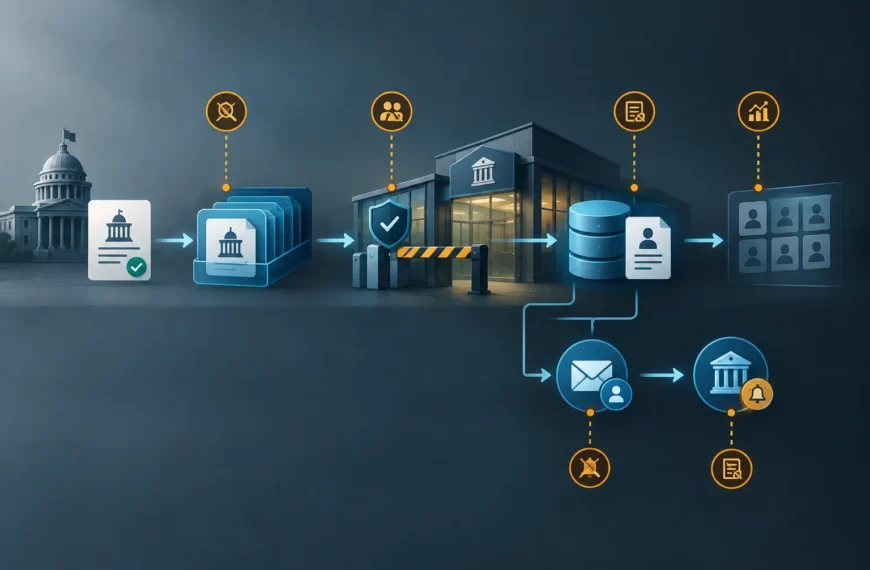
 By
By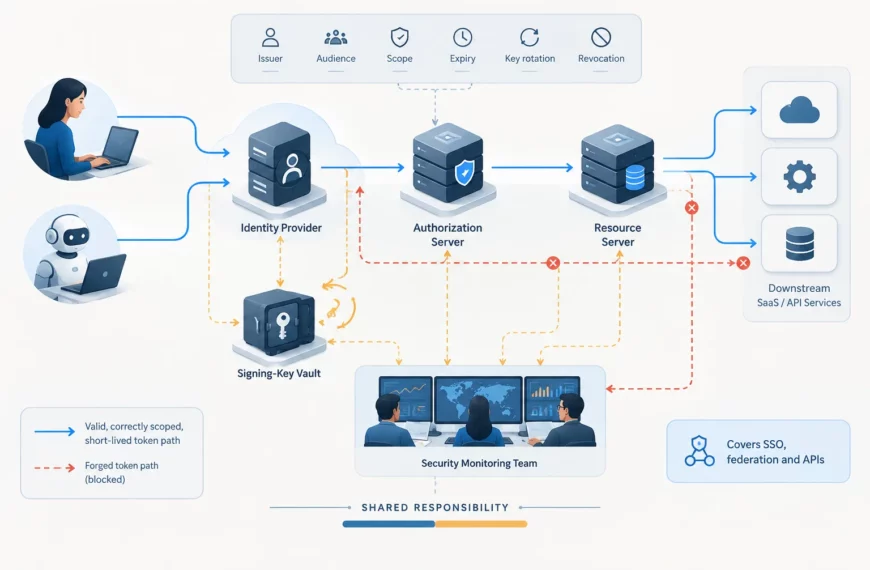
 By
By

 By
By
 By
By
 By
By