
The Subtle Economics of Mobility: Housing, Belonging, and the New Geography of Work
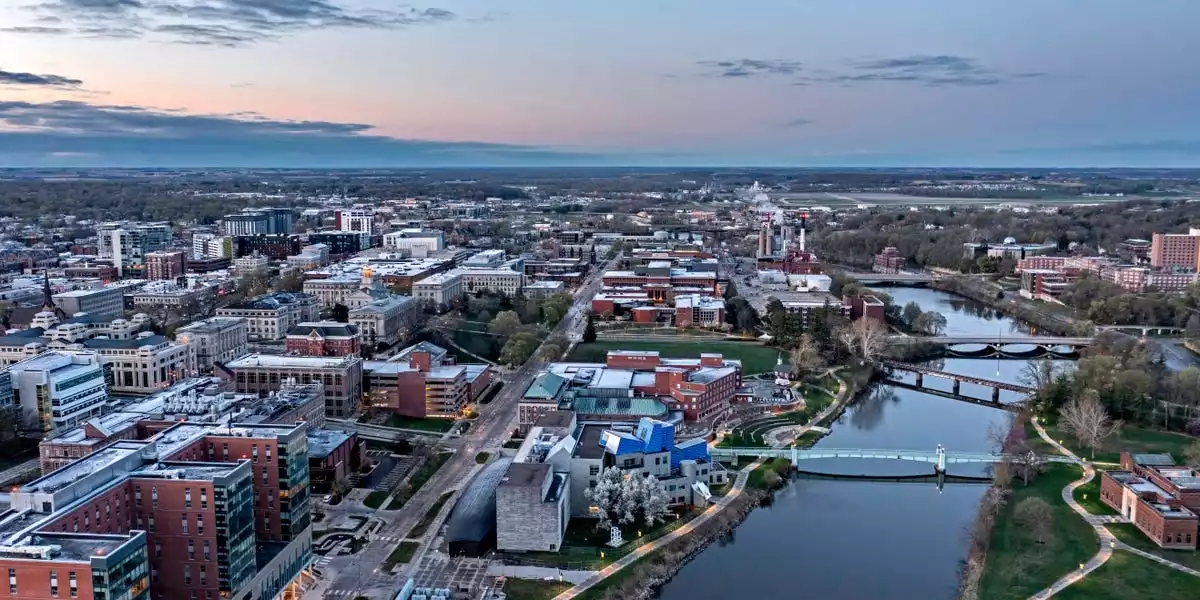
Beneath the surface of a personal move from Madison to Iowa City, a deeper narrative unfolds—one that illuminates the tectonic shifts in how Americans live, work, and connect. The decision to leave a vibrant, if increasingly unaffordable, midwestern knowledge hub for the relative calm and affordability of a “Tier-2” college town is more than a matter of rent calculations; it is a microcosm of the broader forces shaping labor mobility, real estate, and the social fabric of the digital age.
Housing Affordability as a Modern Migration Engine
The relentless rise of rent in cities like Madison—mirroring a nationwide 25% surge in median asking rents since 2019—has redrawn the map of opportunity. For many, the calculus is simple: trade the escalating costs of a first-tier city for the promise of a more manageable life in a secondary market. Yet, behind the numbers lies a subtler toll. The move may lower monthly expenses, but it often comes at the expense of “inherited social capital”—the dense, organic networks that anchor us to place and purpose.
This migration, while beneficial for employers seeking a broader talent pool, introduces new risks. Transplanted workers, untethered from the social infrastructure of their former lives, may struggle to develop the loyalty and engagement that drive retention. The intangible costs of social dislocation are rarely factored into relocation incentives or talent strategies, but their impact is increasingly difficult to ignore.
Technology’s Double-Edged Sword: Productivity Gains, Social Gaps
The rapid adoption of remote collaboration tools has solved for efficiency, not for belonging. Slack, Zoom, and Teams keep projects moving, but they do little to replicate the serendipity of hallway conversations or the slow accretion of trust built over shared lunches. As the pandemic-era shift to remote and hybrid work becomes a permanent fixture, the loneliness gap has widened—a phenomenon now measurable by wearables and digital therapeutics, which reveal that social isolation is a health risk on par with smoking.
Consumer social platforms, for all their reach, have proven better at maintaining distant friendships than at forging new, local ones. This leaves a critical whitespace: the need for technology that catalyzes hyperlocal connection, not just digital engagement. The market is ripe for community-as-a-service (CaaS) models, where landlords, employers, and digital platforms partner to re-bundle housing, amenities, and social infrastructure. Some insurers and self-insured employers have begun experimenting with “connection credits,” quietly incentivizing participation in community events as a preventative health measure.
Strategic Horizons: Where Business, Real Estate, and Policy Intersect
The implications for business and policy leaders are profound:
- Talent Strategy
Recruitment must extend beyond salary and signing bonuses to include social-integration roadmaps: mentorship pods, neighborhood onboarding stipends, and employer-sponsored memberships in local clubs. Retention analytics are evolving to track not just compensation and promotion, but also “place attachment” metrics—event attendance, volunteer hours, and participation in community Slack channels.
- Real Estate & PropTech
The next wave of value creation will come from re-bundling housing with social amenities. Landlords are beginning to partner with app-based community platforms to differentiate their offerings. Mixed-use developers are eyeing subscription-based “third spaces”—coworking meets curated social club—as a way to serve the needs of newly arrived residents.
- Digital Platform Innovation
Hyperlocal discovery algorithms, akin to TikTok’s newsfeed but anchored in geography, remain largely untapped. AI-curated concierge services could lower the barriers to attending a first meetup, easing the inertia that keeps newcomers isolated.
- Mental-Health Economics
The ROI on loneliness-reduction is tangible: lower absenteeism, reduced churn, and decreased healthcare costs. Expect to see benefit managers bundling community-building stipends alongside gym memberships as standard fare.
The Rise of the “Community Stack” and the Next Urban Frontier
As secondary cities ascend—propelled by the exodus from gateway metros—the demand for frictionless social onboarding will only intensify. SaaS vendors in HR, proptech, and digital health are poised to compete for dominance in the emerging “community stack,” integrating local-network functionality into their offerings. Municipalities, too, are rethinking their incentives: shifting from cash bonuses to investments in shared spaces, civic tech, and events that manufacture social density.
New metrics—Community Engagement Score, Social Capital Velocity—are poised to become staples in ESG and human-capital disclosures, forcing executives and boards to confront the social ramifications of geographic arbitrage head-on.
The author’s journey from Madison to Iowa City, while personal, is emblematic of a broader inflection point. As the boundaries between place, work, and belonging blur, those who anticipate and invest in the infrastructure of community—digital and physical alike—will shape the contours of the modern economy. The future belongs to those who see not just the cost of rent, but the value of connection.


 By
By
 By
By
 By
By
 By
By


 By
By