

The Stealerium Inflection Point: Micro-Extortion’s Ascent in Cybercrime
A new chapter in digital extortion is being written—not by the headline-grabbing ransomware gangs, but by a quieter, more insidious breed of threat. “Stealerium,” the latest infostealer to emerge from the cyber underworld, exemplifies this shift. Its technical ingenuity is matched only by its psychological acuity, targeting not just data but dignity, and exploiting the blurred boundaries of our hybrid digital lives.
Anatomy of a Modern Predator: Open-Source Weaponry and AI-Driven Triggers
Stealerium’s architecture is a testament to the democratization of offensive cyber capabilities. By weaponizing open-source code found on platforms like GitHub, the malware’s creators have lowered the barrier to entry for would-be cyber extortionists. The codebase is modular, forkable, and updated at a pace that renders traditional signature-based detection all but obsolete. Instead, defenders must pivot to behavioral analytics and runtime isolation—tools that can discern the difference between innocuous user activity and the subtle exfiltration of sensitive images or credentials.
What sets Stealerium apart, however, is its contextual cunning. The malware doesn’t merely scrape passwords or financial data; it actively scans for adult content, leveraging AI-driven keyword detection and, increasingly, vision-based classification. This allows attackers to harvest authentic, compromising material—pornographic screenshots or webcam captures—transforming empty sextortion threats into credible blackmail. The psychological leverage is profound: the threat is no longer theoretical, and the victim’s sense of exposure is immediate and visceral.
The sophistication extends to Stealerium’s command-and-control infrastructure. By tunneling exfiltrated data through encrypted consumer channels like Discord and Telegram, attackers evade conventional network defenses. These channels are ubiquitous, trusted, and rarely blocked, forcing security teams to rethink their perimeter strategies and invest in application-layer inspection and zero-trust access models.
The Micro-Extortion Economy: From Big-Game Hunting to High-Frequency Exploitation
The rise of Stealerium signals a strategic recalibration within the cybercriminal ecosystem. In the face of intensified law enforcement and regulatory scrutiny, the economics of “big-game hunting”—targeting large enterprises for multimillion-dollar ransoms—have shifted. The risk-adjusted return now favors micro-extortion: thousands of small, individualized pay-outs, each too minor to trigger regulatory alarms or coordinated responses, but cumulatively lucrative.
This model is powered by behavioral economics. Shame, fear, and the desire for discretion drive rapid payment cycles, especially when the extortion is substantiated by real, compromising evidence. The malware’s ability to automate the identification and collection of such material represents a kind of “conversion-rate optimization” for criminal monetization. Victims, isolated by stigma and uncertainty, are less likely to report, further reducing the risk to attackers.
The open-source foundation of Stealerium has also enabled a thriving cottage industry. Customized builds and subscription-based “Extortion-as-a-Service” packages are emerging, complete with multilingual phishing kits and integrated payment processing. This commoditization ensures that the threat will proliferate, evolving in sophistication and reach.
Industry Crossroads: Hybrid Work, Digital Payments, and the New Reputational Risk
Stealerium’s emergence is inseparable from broader macroeconomic and technological trends. The post-pandemic normalization of hybrid work has led to device sprawl—personal machines doubling as corporate endpoints, often outside the reach of enterprise security controls. This “personal-professional bleed” provides fertile ground for attackers, as compromising material from an employee’s private life can be leveraged to extract corporate credentials or damage organizational reputation.
The rapid adoption of instant digital payments, while a boon for commerce, has also streamlined the extortionist’s business model. Micro-payments can be sent quickly, often before victims have time to seek counsel or reconsider. Regulatory focus, traditionally trained on large, suspicious transactions, is only beginning to adapt to this new reality of high-frequency, low-value transfers.
Meanwhile, the psychological fatigue induced by relentless breach headlines has numbed many users to generic security warnings. Stealerium’s brand of personalized, sexually charged blackmail cuts through this desensitization, demanding a new approach to security training—one that is scenario-specific, empathetic, and attuned to the realities of digital shame.
Navigating the New Extortion Landscape: Strategic Imperatives for Leadership
For security leaders, the advent of Stealerium and its ilk demands urgent recalibration:
- Zero-trust architectures must become the default, with credential access anchored to verified device posture and compromised endpoints automatically quarantined.
- Outbound data-loss analytics should be refined to detect not only credential leaks but also the exfiltration of images and encrypted traffic to consumer apps.
- Incident response protocols must integrate mental-health support and privacy hotlines, encouraging early disclosure and reducing the impact of shame-driven silence.
CFOs and risk officers are called to quantify the financial and reputational exposure of micro-extortion, working with banking partners to implement velocity controls for small outgoing payments. Human resources and communications teams must destigmatize reporting, crafting pre-approved messaging and offering confidential counseling.
Regulators, too, face a pivotal moment. The extension of mandatory incident reporting to include sextortion—even at low ransom thresholds—could help illuminate the true scale of the threat. Industry bodies might consider collaborative monitoring of open-source repositories, fast-tracking takedown requests for weaponizable code.
Stealerium is not an anomaly—it is a harbinger. As the economics of cybercrime tilt toward high-frequency, low-signal attacks, organizations must recognize that reputational risk now emanates as much from the personal digital lives of their employees as from the enterprise infrastructure itself. Those who move swiftly to integrate privacy-centric security, rapid micro-payment controls, and a culture of destigmatized incident response will be best positioned to weather the next wave of digital coercion.

 By
By
 By
By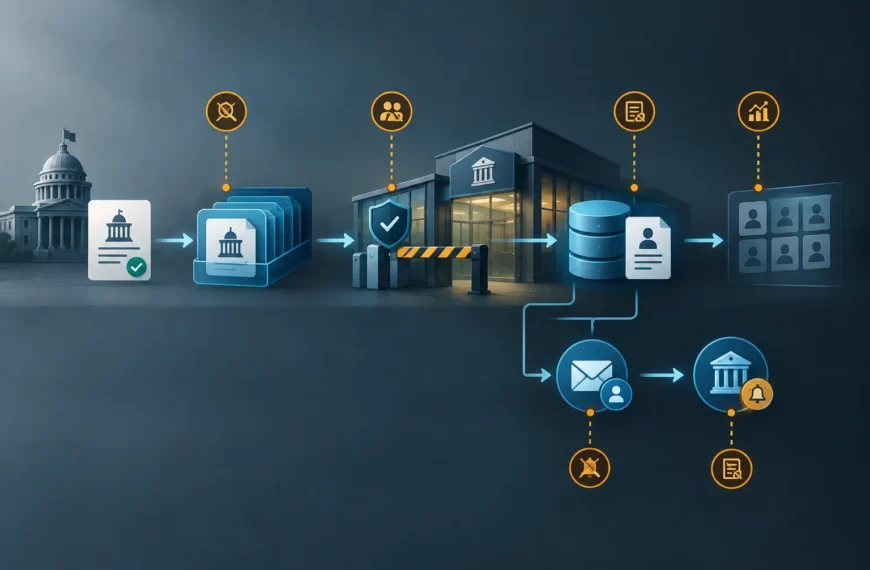
 By
By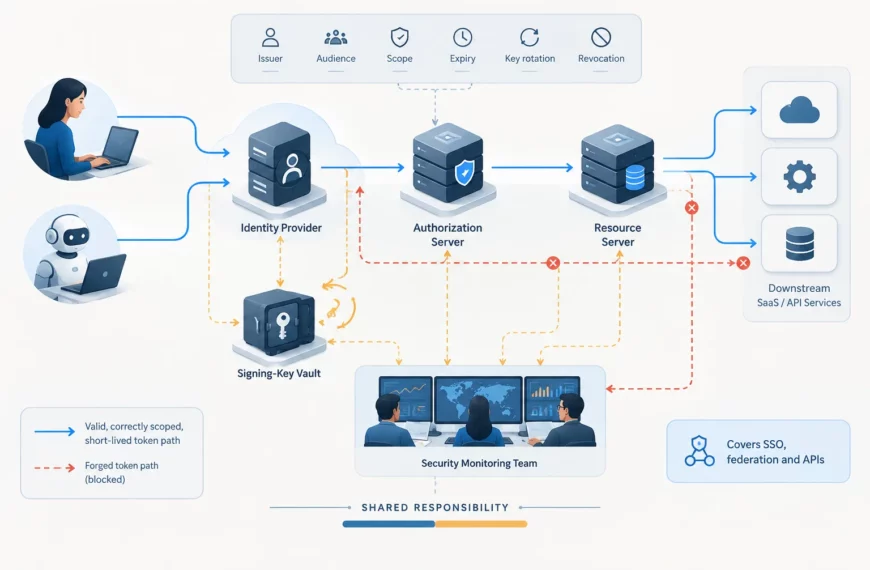
 By
By

 By
By
 By
By
 By
By