
The Democratization of Smart Access: Wyze Lock Bolt v2 and the Shifting Terrain of Home Security
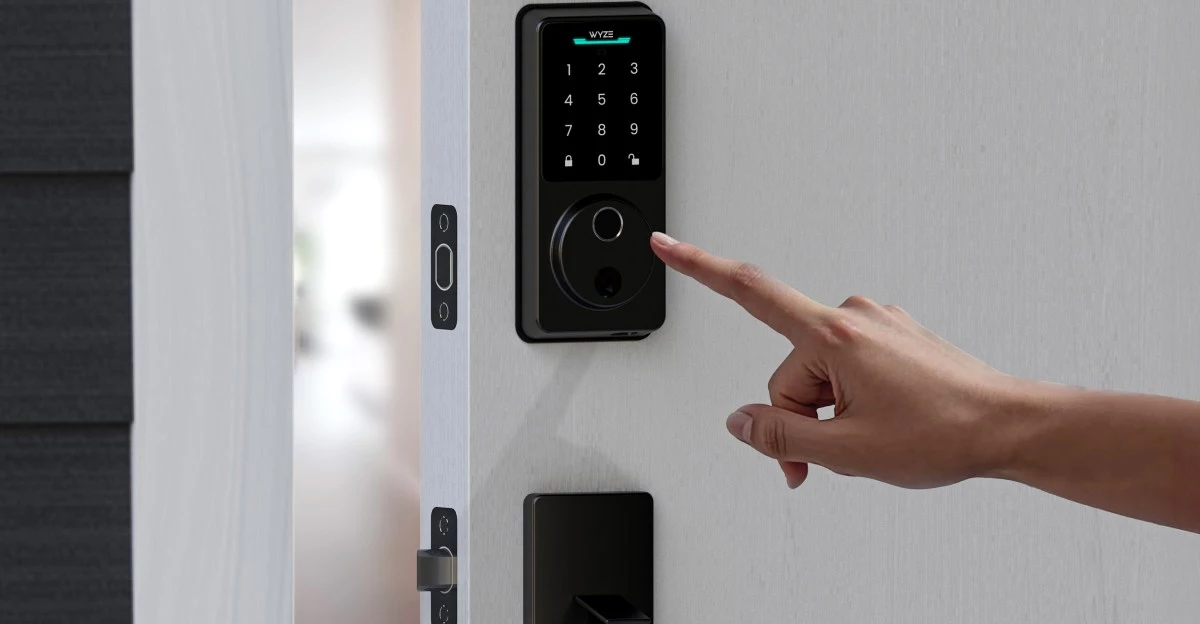
Wyze’s unveiling of the Lock Bolt v2, now Wi-Fi enabled and steadfast at its sub-$80 price, is more than a routine product refresh—it’s a harbinger of transformation in the smart home access-control market. At a glance, the device’s new features—remote management, voice-assistant compatibility, and seamless doorbell integration—read like a checklist of incremental upgrades. Yet beneath this surface, the launch signals a deeper realignment: the mainstreaming of cloud-connected security, the subtle dance between privacy and monetization, and the emergence of “good-enough” devices as the new backbone of residential and small-business automation.
Edge Biometrics Meet the Cloud: Navigating Trust and Opportunity
The Lock Bolt v2’s architecture is a study in hybridization. By retaining local storage for fingerprint data, Wyze deftly sidesteps the regulatory minefields of GDPR and CCPA, building consumer trust at a time when privacy anxieties are acute. The addition of a Wi-Fi command layer, however, opens the door to a suite of cloud-driven capabilities:
- Remote management and continuous authentication—no longer tethered to the phone’s proximity, users can operate the lock from anywhere, a boon for both homeowners and property managers.
- Integration with third-party routines—from IFTTT automations to future Matter protocol compatibility, the lock is poised to become a node in a broader, interoperable ecosystem.
- Potential for analytics and subscription upsells—event logs, AI-driven anomaly detection, and cross-device orchestration all become feasible, laying the groundwork for recurring revenue streams.
Yet, this hybrid approach is not without trade-offs. Battery life drops from 12 to 8 months, a consequence of Wi-Fi’s higher power draw—a small price, perhaps, for the leap in functionality, but a reminder that “always-on” connectivity comes with its own set of engineering challenges.
Price as Disruption: The $80 Wedge
Wyze’s pricing strategy is as aggressive as it is calculated. At less than half the price of incumbents like August, Schlage, or Level, the Lock Bolt v2 is positioned to accelerate the migration of smart locks from luxury to necessity. This is not mere opportunism; it’s a response to the “inflation-paradox” of 2024, where rising interest in home improvement collides with tightening household budgets.
- Channel expansion: With mass-market retail partnerships and the new Wi-Fi feature, Wyze can now court not just consumers, but property managers—unlocking B2B2C revenue streams that had been ceded to enterprise-focused players.
- Subscription adjacency: The lock extends Wyze’s installed base, lowering customer acquisition costs and raising the potential for higher average revenue per user, especially as video and access-control subscriptions become more tightly bundled.
- Component standardization: USB-C emergency power and a tempered-glass touchpad hint at a supply chain strategy borrowed from the smartphone world—hedging against chip shortages and driving down bill-of-materials costs.
The result is a product that is not just affordable, but strategically disruptive—a wedge into the broader home automation stack.
Strategic Ripples: Ecosystem Play, Data Leverage, and Regulatory Chess
The implications reverberate far beyond hardware margins.
- Ecosystem orchestration: Doorbell-to-lock integration foreshadows a mesh of devices managed through a single app experience. As the Matter standard levels the playing field on interoperability, differentiation will migrate to software and service layers.
- Data as currency: The convergence of access events, video feeds, and environmental sensors creates a behavioral dataset with potential value to insurers—enabling usage-based policies, loss-prevention discounts, and even occupancy analytics. Wyze, and others, may soon find themselves at the nexus of home security and insurtech.
- Pressure on incumbents: Legacy lock makers face the classic Innovator’s Dilemma—defend premium pricing, or race to the bottom on hardware and pivot to services. M&A activity in low-cost IoT firmware and rapid moves to Matter-native SKUs are likely responses.
- Privacy at a crossroads: Today’s edge-centric biometric storage buys regulatory breathing room, but the temptation to migrate hashes to the cloud for AI-driven correlation will only grow. With evolving laws in Illinois and the EU, strategic foresight on privacy architectures is no longer optional.
The longer arc points toward a future where smart locks become passive, context-aware sentinels—blending device presence, behavioral biometrics, and on-device AI to deliver continuous authentication. As hardware margins compress and cloud lock-in models face reversal, the real contest will be fought over services, data partnerships, and bundled incentives with insurers and telcos.
Wyze’s latest move is a signal: the era of “good-enough” security is here, and with it, a new playbook for value creation at the intersection of access, automation, and trust.

 By
By

 By
By


 By
By

 By
By