
The New Epicenter of Grid Stress: AI’s Relentless Appetite for Power
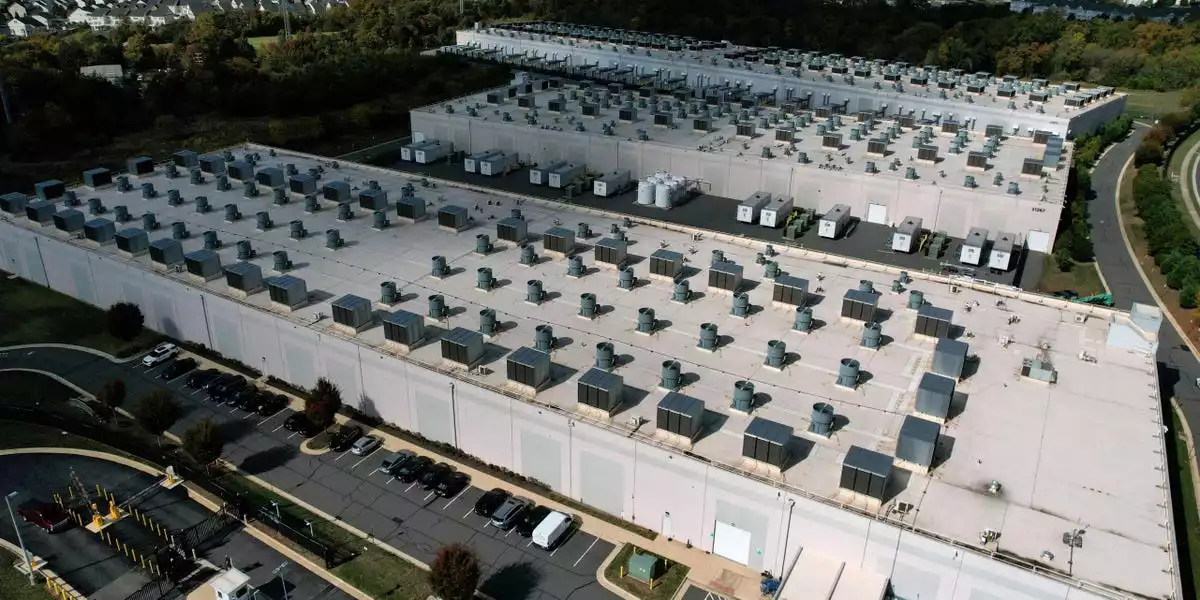
The North American Electric Reliability Corporation’s latest warning is a clarion call echoing across boardrooms and statehouses: U.S. winter electricity demand is set to leap by an unprecedented 20 gigawatts this season, a surge not seen in recent memory. At the heart of this seismic shift is not the electrification of cars or homes—though they play their part—but the insatiable, round-the-clock hunger of hyperscale data centers, now fueled by the AI revolution. The grid, once designed for the rhythmic ebb and flow of human activity, is being redrawn by the ceaseless pulse of machine learning.
Whereas residential and commercial peaks once faded with the setting sun, the “flat-top” load signature of modern data centers—operating 24/7/365—has upended traditional demand curves. The result is a narrowing of reserve margins, especially in vulnerable regions like Texas, the Southeast, and the Mid-Atlantic. Should another polar vortex descend, these areas face an elevated risk of rolling blackouts, a scenario that transforms the abstract world of AI compute into a very tangible threat to daily life.
The Compute–Kilowatt Nexus: How AI Is Reshaping the Grid
The energy intensity of artificial intelligence is staggering. Training a large language model can consume five to ten times the electricity of conventional cloud workloads. Yet it is the scale and persistence of inference—the act of running these models in real time, for billions of users—that compounds the draw. Unlike electric vehicles or heat pumps, which can be orchestrated to avoid peak hours, data centers demand unyielding reliability. This inflexibility not only limits the effectiveness of demand-response programs but also accelerates the need for new generation and transmission capacity.
Semiconductor reshoring, catalyzed by the CHIPS Act, adds yet another layer of complexity. The construction of new fabrication plants—each requiring 200 to 400 megawatts—tightens capacity in regions already under strain. Meanwhile, the collision of electrification trends and compute demands exposes the grid’s limits: where EVs and smart appliances can be managed, AI workloads brook no compromise.
As utilities race to keep pace, a new capital expenditure super-cycle is underway. Investor-owned utilities are budgeting more than $150 billion through 2027, much of it justified by data-center interconnection requests. Under the cost-of-service model, these investments flow directly into higher customer bills, provoking political backlash and sharpening regulatory scrutiny. The “data-center premium” has entered the electoral lexicon, as seen in Georgia’s Public Service Commission race, and is poised to become a flashpoint in other states.
Strategic Inflection Points for Business and Policy
For business and technology leaders, the implications are profound and immediate:
- Site Selection Reimagined: Proximity to fiber and tax incentives are no longer sufficient. Executives must now weigh grid headroom, winter reliability, and local political sentiment as heavily as network latency. Secondary markets with surplus hydropower, such as Quebec and the Pacific Northwest, offer new opportunities—but interregional transmission constraints may limit their utility.
- Compute Efficiency as a Strategic Imperative: Innovations in chip design, such as liquid-cooled accelerators and near-memory compute, are no longer just about reducing total cost of ownership. They are essential hedges against grid scarcity and carbon exposure. Expect to see tighter integration between CTO and Chief Sustainability Officer agendas, with energy efficiency baselined in every major AI deployment.
- Capital Markets and New Growth Frontiers: Grid-scale battery storage, dynamic line-rating, and virtual power plants are emerging as counter-cyclical solutions to reserve-margin erosion. Nuclear small modular reactors (SMRs), with their “always-on” clean generation, are gaining traction as ideal partners for data-center loads. The first major agreements between hyperscalers and SMR developers could materialize as soon as 2025.
- Policy Engagement as a Competitive Edge: Companies dependent on hyperscale compute must engage proactively in state-level resource planning. Without a seat at the table, they risk shouldering disproportionate costs or facing moratoria on new projects. Coordinated advocacy for streamlined transmission permitting—akin to the telecom dark-fiber era—could unlock stranded renewable capacity and reduce blackout risk.
The Road Ahead: Risks and Opportunities in the Age of AI Power
The stakes extend far beyond utility bills. Rising rates feed directly into inflation, complicating the Federal Reserve’s efforts to tame prices and influencing the capital environment for energy-intensive projects. Globally, the U.S. risks ceding its AI leadership if it cannot expand capacity—Europe’s high-cost energy landscape serves as a cautionary tale, while untapped hydropower in Canada and Scandinavia beckons as an offshore alternative.
In the near term, expect to see winter curtailment agreements between grid operators and data-center operators, as well as insurance markets recalibrating for outage risks. By the latter half of the decade, a bifurcated data-center market will likely emerge: “grid-attached” sites in regulated states, and “energy-sovereign” campuses pairing on-site renewables, storage, and micro-nuclear units. Legislative efforts will increasingly tie large-load approvals to demonstrable clean generation commitments.
For decision-makers, the message is clear: stress-test AI expansion plans against winter reliability scenarios, negotiate long-term renewable-plus-storage contracts, and consider direct stakes in next-generation baseload projects. Those who internalize the compute–kilowatt linkage and engage actively in both technology and policy will transform reliability risk into strategic advantage—while laggards face rising costs, regulatory headwinds, and the specter of digital darkness at the very moment uptime matters most.

 By
By
 By
By

 By
By

 By
By
 By
By
 By
By