
The End of an Era: Berkshire Hathaway’s Succession and the New Logic of Corporate Stewardship
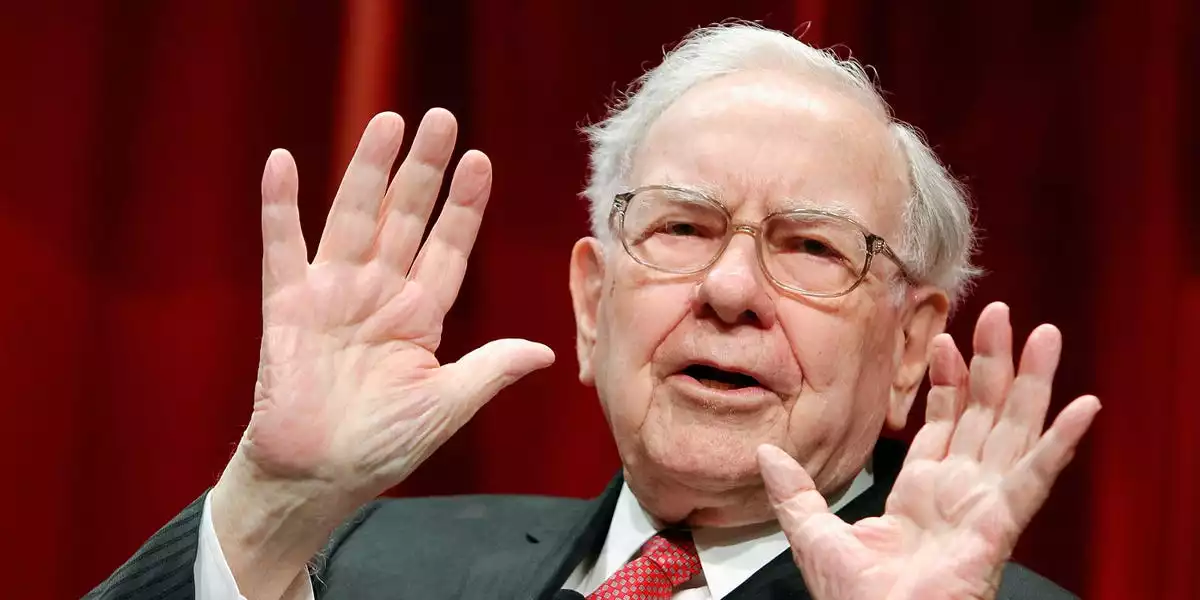
Warren Buffett’s decision to relinquish the CEO mantle at Berkshire Hathaway, just shy of his 95th birthday, marks more than a generational handoff—it signals a tectonic shift in the architecture of American capitalism. As Greg Abel, Buffett’s trusted lieutenant, assumes the helm, the world’s most scrutinized conglomerate stands at a crossroads: between the mythos of the “Oracle of Omaha” and the pragmatic imperatives of a new financial epoch.
Navigating Legacy: Succession as Signal and Safeguard
Berkshire’s transition is neither abrupt nor reactive. By orchestrating the leadership shift while Buffett’s faculties remain unimpeachable, the board deftly inoculates the brand against the reputational volatility that often shadows founder departures. The move echoes a broader trend in U.S. corporate governance—one that has seen founder-centric giants like Amazon and Adobe cede day-to-day control in favor of institutional continuity.
The calculus is twofold:
- Reputation Risk Mitigation: Early, voluntary succession preserves Berkshire’s storied brand, sidestepping the “founder discount” that can erode market confidence when transitions are forced by crisis.
- Market Signal Management: Buffett’s continued presence as chairman and chief capital allocator offers ballast, mirroring hybrid governance models at Oracle and Alphabet—where founders retain strategic influence without operational entanglement.
Yet, as the “Oracle effect” recedes, Abel faces the daunting task of translating Buffett’s intangible aura into durable institutional culture. The psychic income that once attracted elite talent to Omaha now demands systematization: succession layering within subsidiaries, equity-linked incentives tailored to entrepreneurial units, and a proactive approach to talent retention—lest Berkshire follow the post-founder attrition arcs seen at Microsoft and Alibaba.
Capital Allocation in a Changed Financial Universe
Abel inherits a record $344 billion in cash—an arsenal that, in today’s environment, is as much a liability as it is a luxury. The macro context has shifted dramatically:
- Positive Real Yields: With cash yielding over 5%, the opportunity cost of inaction has narrowed, but still lags Berkshire’s historic double-digit return thresholds.
- M&A Inflation and Regulatory Drag: Private equity’s $2 trillion in dry powder and a muscular DOJ have combined to inflate acquisition costs and elongate deal timelines, complicating Buffett’s traditional “elephant hunting” approach.
- Dividend Expectations: Veteran analysts now anticipate a regular dividend—potentially a 20–25% payout ratio—which could broaden Berkshire’s shareholder base to include income-hungry institutions without sacrificing strategic flexibility.
The challenge for Abel is to deploy capital with discipline, resisting the siren song of overpriced deals while leveraging opportunistic buybacks and dividend signaling to optimize shareholder value. Pre-announcing buyback thresholds could mitigate the “Buffett put” phenomenon, where market participants front-run Berkshire’s interventions.
Decentralization Meets Data: The Future of the Berkshire Model
Berkshire’s legendary decentralization—“trust the jockey, not the horse”—faces its sternest test in an era defined by data integration and regulatory scrutiny. Abel’s operational pedigree at Berkshire Energy suggests a nuanced approach: preserving autonomy where it drives entrepreneurial excellence, but embracing selective integration where scale and compliance demand it.
Key vectors for modernization include:
- Digital Twins & IoT: Real-time performance benchmarking across subsidiaries can unlock hidden efficiencies, moving beyond the siloed status quo.
- Shared Services Automation: Centralizing finance, procurement, and cybersecurity is no longer optional; conglomerate peers have already reaped the benefits of harmonized threat monitoring and cost discipline.
- Carbon and ESG Reporting: Looming EU mandates will force Berkshire to consolidate Scope 1-3 emissions data, requiring a centralized ESG and financial data lake—an initiative that would balance transparency with operational independence.
Investor communication, too, must evolve. Buffett’s narrative genius once masked the opacity of Berkshire’s financials; in his absence, granular segment disclosure, forward-looking climate risk reporting, and AI-optimized transparency become non-negotiable. Algorithms now parse earnings calls for sentiment and clarity—opaque language risks higher volatility and diminished market trust.
The Stakes: Redefining the American Conglomerate
Berkshire’s “forever owner” reputation has long set it apart from the churn of private equity. Yet, as tech giants like Amazon and Alphabet quietly emulate its capital deployment playbook—diversifying into renewables, logistics, and healthcare—the competitive moat narrows. Sellers may become wary if Abel is perceived as more metrics-driven and less deferential to incumbent management, potentially diverting premium deal flow elsewhere.
For Berkshire Hathaway, the post-Buffett era is not merely a test of continuity, but a crucible for reinvention. The company’s ability to harmonize its 20th-century decentralization ethos with 21st-century demands for transparency, data integration, and yield optimization will reverberate across the corporate landscape. As founder-led enterprises everywhere confront their own succession dilemmas, the path charted by Abel and the Berkshire board will serve as both blueprint and cautionary tale—a testament to the enduring tension between legacy and progress.


 By
By
 By
By
 By
By
 By
By


 By
By