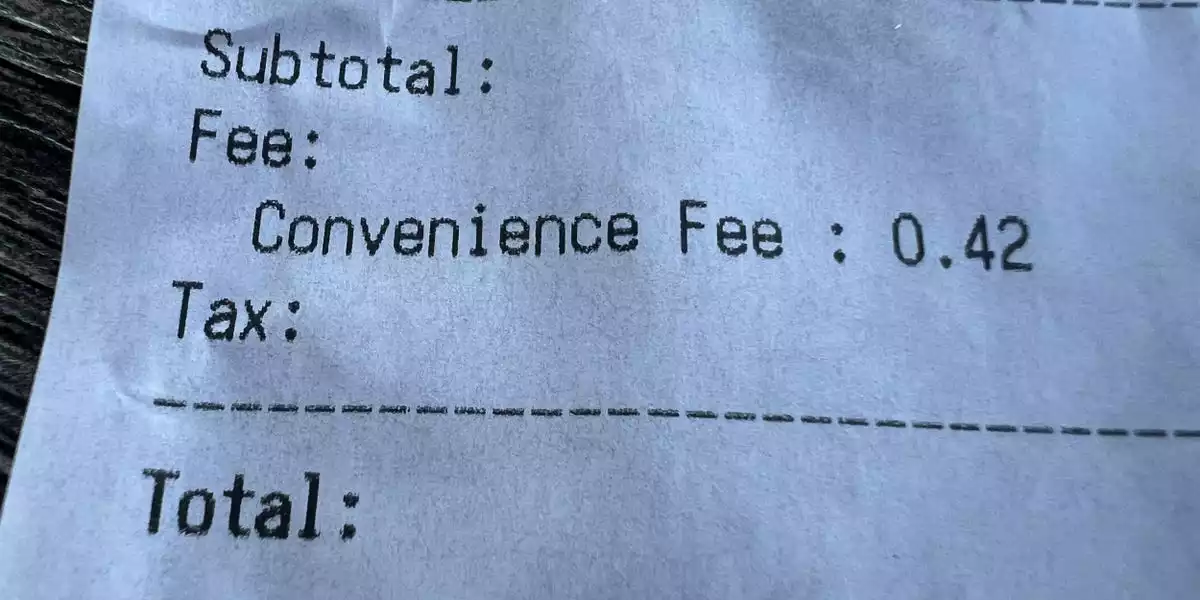

A widening U.S. crackdown on “junk fees” meets the food-delivery economy’s fine print
U.S. regulators are increasingly treating third-party food delivery pricing as a consumer-protection and market-structure issue, not merely a matter of a few confusing line items at checkout. The recent New York City settlement involving HungryPanda, where authorities alleged restaurants were overcharged through opaque surcharges, is emblematic of a broader shift: enforcement is moving from isolated disputes toward systemic scrutiny of fee design across online food and grocery delivery.
At the federal level, the Federal Trade Commission (FTC) has signaled interest in “unfair or deceptive fee practices,” echoing earlier “junk fee” initiatives in travel, hospitality, and ticketing. The political context matters. With inflation and cost-of-living pressures still salient, hidden or hard-to-compare charges have become a high-visibility target—one that allows regulators to demonstrate tangible action in everyday consumer experiences.
Yet the most consequential question is not whether a delivery app’s receipt is legible. It is whether the current platform model—built on layered fees, commissions, and pay-to-play visibility—creates structural dependence for small restaurants and entrenches advantages for large chains.
The real battleground: commissions, bargaining power, and platform gatekeeping
Public attention often centers on the “junk fee” label, but restaurant operators tend to focus on a more fundamental pressure point: commissions that commonly range from 15% to 30%. Delivery platforms operate as multi-sided marketplaces, using restaurant commissions to subsidize consumer discounts, fund marketing, and maintain logistics capacity. That balancing act can be rational from a platform economics standpoint, but it produces uneven outcomes:
- Large chains can absorb commissions through scale, negotiate better terms, or treat delivery as a marketing channel.
- Independent restaurants frequently face a harsher trade-off: raise menu prices, accept thinner margins, or add their own surcharges—each option risking customer dissatisfaction.
Regulatory proposals in Congress that would restrict preferential pricing deals between platforms and restaurant chains reflect growing concern that the market is drifting toward a two-tier system. Preferential arrangements can amplify concentration by making already-prominent brands even more price-competitive in-app, while smaller restaurants pay more for less visibility.
That visibility is not neutral. Search rankings, featured placements, and promotional boosts function as a form of digital shelf space. Even if regulators cap certain fees or mandate clearer disclosures, restaurants may still feel compelled to purchase marketing placement to avoid being buried in the interface. In practice, this can resemble a “pay-to-compete” dynamic—one that disclosure alone may not resolve.
Algorithms, dynamic fee layering, and the next frontier of regulatory oversight
Modern delivery pricing is increasingly shaped by data-driven fee modules: real-time demand signals, courier availability, basket size, neighborhood density, and user behavior can all influence what a customer sees. This is not inherently improper; dynamic pricing can improve matching efficiency in last-mile logistics. But it complicates the regulatory goal of “transparent pricing,” because the price is no longer a static schedule—it is an adaptive system.
As regulators push for clearer consumer disclosures, the conversation is likely to expand toward algorithmic accountability and auditability. Key issues include:
- Algorithmic fee layering and price discrimination: Whether similarly situated consumers are charged different fees based on behavioral or contextual signals, and whether those differences are explainable.
- Interface design and consumer comprehension: Whether the presentation of fees nudges users toward choices they would not make under clearer comparisons.
- Restaurant-side transparency: Whether restaurants can reliably understand what they are paying for—delivery, marketing, placement, or bundled services—and how those charges relate to performance.
If enforcement evolves beyond point-of-sale disclosure into how ranking and promotions operate, platforms could face scrutiny resembling emerging global approaches to platform governance, including principles seen in the EU’s Digital Services Act—less about any single fee, more about systemic fairness and transparency in digital marketplaces.
At the same time, platforms are unlikely to stand still. If certain fee practices are constrained, revenue strategies may shift toward:
- Subscription tiers and membership bundles (reducing per-order sticker shock while increasing customer lock-in)
- Loyalty programs and credits that reshape price perception without necessarily lowering total cost
- Embedded financial services such as branded wallets or payment incentives
- Advertising and data analytics as higher-margin alternatives to transaction-based fees
Strategic implications for restaurants, platforms, and investors as rules tighten
For restaurants, the regulatory spotlight is welcome but not a cure-all. Even robust disclosure standards may not reduce effective costs if commissions remain high and digital shelf space remains paywalled. The more durable response is strategic diversification—reducing reliance on any single gatekeeper while improving direct customer relationships.
Practical moves gaining momentum include:
- Building or improving first-party ordering (web, app, SMS) to reclaim margin and customer data
- Joining co-ops or aggregators that negotiate collectively for better terms
- Negotiating bundled, measurable service agreements (fulfillment + marketing + analytics) rather than opaque, à la carte placement fees
For delivery platforms and their technology providers, the near-term imperative is adaptability. Multi-jurisdictional enforcement—city and federal—creates a compliance environment where pricing architecture must be modular, quickly adjustable without breaking the network effects that keep marketplaces liquid. Platforms that pilot all-in pricing, clearer fee explanations, and auditable promotional systems may be better positioned to shape the regulatory baseline rather than react to it.
For investors, the “junk fee” crackdown is less a single-issue risk than a signal that marketplace monetization is being renegotiated. That can accelerate:
- Consolidation among regional delivery players and direct-ordering tools
- Greater valuation emphasis on non-fee revenue lines (ads, data products, logistics partnerships)
- Competitive openings for white-label ordering and restaurant-owned digital infrastructure
The deeper story is that food delivery is becoming a test case for how the U.S. governs digital marketplaces: not only what platforms charge, but how they rank, bundle, and explain the economic rules of participation. The winners will be those who can make pricing legible without hollowing out the unit economics—and who can prove, with data and design, that “convenience” is not quietly financed by opacity.

 By
By
 By
By

 By
By

 By
By
 By
By
 By
By