

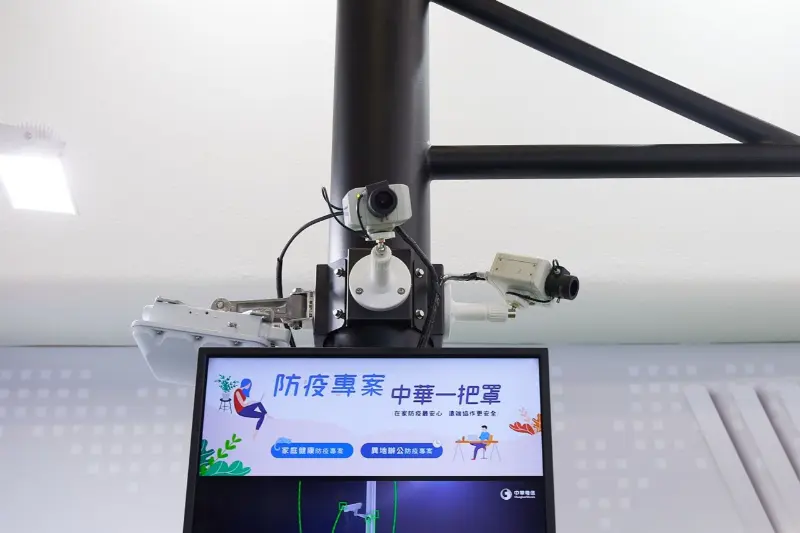

The development of smart roads is set to be revolutionized by the integration of AI network cameras and edge computing devices, according to a recent report by DIGITIMES Research. These advanced technologies are expected to play a pivotal role in enhancing the efficiency and safety of road networks worldwide.
AI network cameras, also known as IP cameras, are equipped with artificial intelligence capabilities that enable them to analyze and interpret visual data in real time. This allows for the detection of various objects and events on the road, such as accidents, congestion, or even potential hazards like pedestrians or animals. By providing real-time monitoring and analysis, these cameras can significantly improve the overall management and control of traffic flow.
In addition to AI network cameras, the report highlights the importance of edge computing devices, specifically AI boxes, in the development of smart roads. These devices are designed to process and analyze data locally, at the edge of the network, rather than relying on a centralized cloud infrastructure. This enables faster response times and reduces the dependency on network connectivity, making them ideal for scenarios where real-time decision-making is crucial, such as in autonomous vehicles or intelligent traffic management systems.
The integration of AI network cameras and AI boxes in smart road scenarios holds great potential for transforming the way we interact with and navigate through our road networks. By leveraging the power of artificial intelligence and edge computing, authorities and transportation agencies can not only improve the efficiency and safety of our roads but also pave the way for the future of autonomous vehicles and intelligent transportation systems.
DIGITIMES Research’s report emphasizes the significant role that AI network cameras and edge computing devices will play in driving the development of smart roads. With their ability to analyze visual data in real time and process information locally, these technologies have the potential to revolutionize traffic management and pave the way for a safer and more efficient future.

 By
By
 By
By

 By
By
 By
By
 By
By
 By
By
 By
By







