


The Great Deflation: How Holiday 2024 Is Rewriting the Economics of Consumer Robotics
This holiday season, the consumer robotics market is undergoing a transformation that feels less like a traditional sale and more like a tectonic shift. The robot vacuum—once a symbol of futuristic domestic luxury, now a staple of the modern home—has become the epicenter of a price war that is redrawing the boundaries of value, innovation, and strategic ambition in the sector.
Price Compression and the New Value Hierarchy
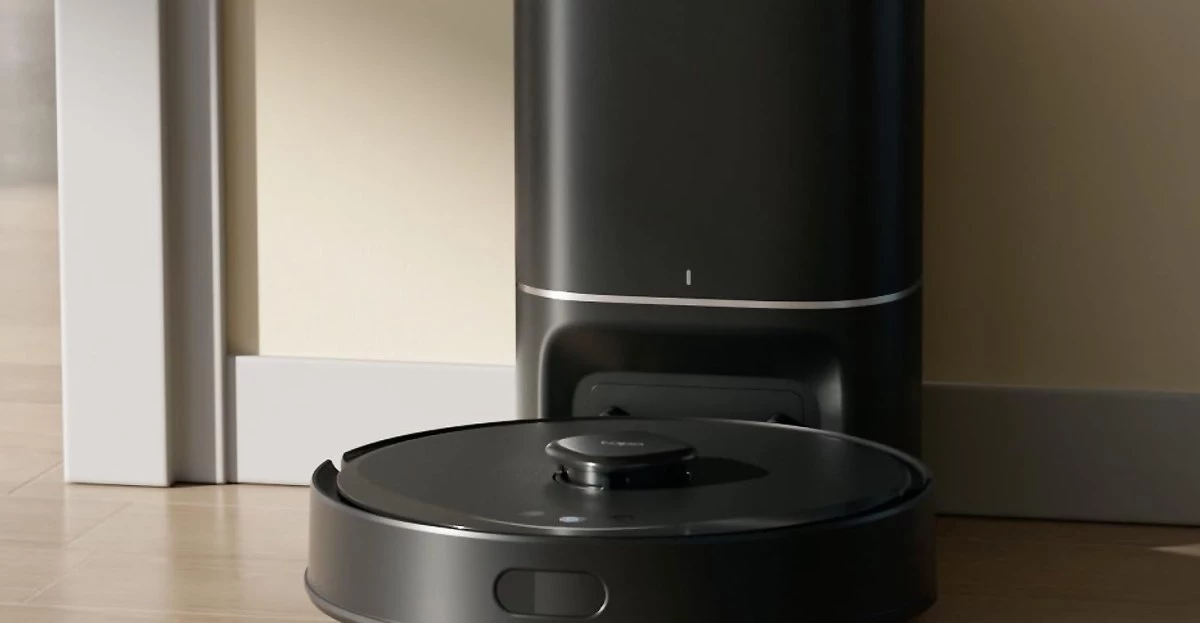
A glance at this season’s promotional flyers tells a story that would have seemed improbable just two years ago. Entry-level robot vacuums, such as TP-Link’s Tapo RV30 Max Plus, now retail for as little as $200, yet boast lidar navigation, carpet boost, and auto-empty docks—features that commanded premium price tags north of $700 not long ago. The mid-tier, too, has collapsed inward: flagship models like the Eufy X10 Pro Omni and Roborock Q10 S5 Plus offer 10,000 Pa suction, dual rotating mops, and AI object recognition at prices that would have been considered entry-level in 2022.
Even the high end is not immune. The likes of Dreame’s Aqua10 Ultra Roller Complete and Ecovacs’ Deebot X9 Pro Omni have slipped below the $1,000 threshold, eroding the historical ceiling of $1,300–$1,600. The result is a market where the old distinctions between “budget,” “midrange,” and “premium” are dissolving under the weight of relentless cost deflation.
The Forces Reshaping Competition
This price compression is not simply a function of seasonal discounting. It is the visible symptom of deeper structural changes:
- Component Cost Collapse: Bill-of-materials analyses reveal that lidar modules, brushless motors, and mid-range AI chips have dropped 18–25% year-over-year. Chinese overcapacity and falling freight rates are accelerating this trend, with brands choosing to pass savings to consumers in a bid to clear inventory ahead of new EU eco-design regulations and 2025 model launches.
- Platform Convergence: The gap between sub-$300 and sub-$1,000 devices is narrowing rapidly. Differentiation is shifting away from hardware toward:
– Advanced software (AI obstacle classification, voice integration, Matter compliance)
– Consumables and services (subscription dust bags, cleaning solutions)
– Data ecosystems (leveraging home mapping data for smart-home orchestration)
- Retail Channel Upheaval: Direct-to-consumer flash sales and Amazon Lightning Deals are compressing retailer margins to historic lows. Big-box retailers are countering with private-label offerings, increasing intellectual property risks for smaller OEMs and setting the stage for a wave of M&A as scale becomes paramount.
Technology’s Relentless March: From Edge AI to Interoperable Homes
The competitive landscape is being redrawn not just by price, but by a new arms race in technology and integration.
- AI and Autonomy: The latest obstacle-detection modules, such as Eufy’s Ghost 2.0, hint at a near-future where on-device SLAM is fused with large-context vision transformers. Generative AI is on the horizon, promising robots that can explain their actions, adapt routines, and interact with users in natural language. Price compression is, paradoxically, freeing up R&D budgets for these next-generation features.
- Sensor Fusion: To justify average selling prices, manufacturers are packing in millimetre-wave radar, structured-light depth cameras, and VOC detectors—moving toward multifunctional “home health” platforms that monitor air quality and even pets.
- Interoperability and Standards: The forthcoming Matter 1.3 specification will force vendors to open up cleaning modes to third-party controllers, making early compliance a ticket to broader distribution within Apple and Google ecosystems and reducing reliance on Alexa.
The Consumer Pivot: From Power to Convenience
Consumer behavior is evolving in tandem with these market shifts:
- Commoditization at the Low End: A mere $30 price difference now swings significant volume, underscoring the commoditization of basic models.
- Convenience Over Power: Search analytics reveal that “auto-empty” and “self-cleaning mop” now outpace “suction” as key purchase drivers. The market has pivoted from raw power metrics to labor-saving convenience.
- Accelerated Upgrade Cycles: Nearly a third of buyers from 2022 intend to upgrade within 24 months, mirroring smartphone refresh cycles and highlighting the growing importance of trade-in and refurbishment programs.
Strategic Imperatives for a New Era
The implications for industry stakeholders are profound:
- OEMs and Suppliers: Margin compression is the new normal. Survival hinges on software-defined features, regional SKUs, and consumable bundles. Securing diversified sensor supply chains—especially from automotive-grade vendors—will be critical.
- Retailers and E-Commerce: The battleground is shifting to service differentiation: white-glove setup, AI-driven engagement, and extended warranties with remote diagnostics.
- Investors and Strategists: The window for consolidation is open, as smaller brands struggle to keep pace with both cost deflation and escalating R&D. Data-centric monetization—leveraging floor-plan maps and device telemetry—offers new revenue streams, albeit within tightening privacy frameworks.
- Policy and Sustainability: Upcoming EU right-to-repair mandates and energy efficiency standards will reward modular, transparent design. Early movers may unlock subsidies and eco-label advantages.
What emerges is a landscape where the robot vacuum is no longer a product, but a platform—a commoditized gateway to a web of software, services, and data-driven value. The winners will be those who move fastest to embrace interoperability, AI-powered differentiation, and ecosystem partnerships, as value migrates inexorably from hardware margins to the economics of lifetime service.

 By
By
 By
By
 By
By
 By
By

 By
By

 By
By







