


GLP-1 Appetite Suppression Is Rewriting the “Center of the Plate” Economy
The rapid adoption of GLP-1 therapies such as semaglutide is doing more than changing weight-loss trajectories—it is reshaping how consumers allocate food dollars, plan meals, and define value. When appetite is markedly suppressed, the traditional logic of grocery shopping—large baskets built around snacks, sugary beverages, and high-volume convenience foods—starts to fracture. A new cohort is emerging: consumers who eat less overall, but who must extract more protein, fiber, and micronutrients per bite.
That shift has immediate commercial consequences. Categories built on frequent, impulse-driven consumption risk softening, while nutrient-dense staples and “functional” foods gain strategic importance. The underlying consumer mandate becomes: small-volume, high-density nutrition that still feels satisfying and enjoyable—because adherence is not only biochemical, it is behavioral.
For retailers and consumer packaged goods (CPG) companies, this is less a fad than a structural re-segmentation of demand. The “GLP-1 diet” pattern tends to reward products that are:
- Protein-forward (to support lean mass retention)
- Fiber-rich (to support satiety, gut health, and metabolic outcomes)
- Micronutrient-dense (because fewer calories can mean fewer vitamins and minerals)
- Digestive-health aware (as GI side effects can influence food tolerance and choices)
In effect, GLP-1s are accelerating a broader transition already underway: from calorie management to nutrient optimization, where food is evaluated less as indulgence or fuel and more as a daily clinical lever.
Why Costco’s Warehouse Model Fits the GLP-1 Nutrition Moment
Costco’s positioning looks unusually well-matched to this new consumption pattern. While appetite suppression implies smaller portions, it does not necessarily imply lower standards—or lower expectations for quality and value. Costco’s advantage lies in how it combines price perception, curated assortment, and private-label agility to meet a consumer who is eating less but shopping more intentionally.
Several dynamics make warehouse retail particularly relevant:
- Assortment curation at scale: Costco can spotlight nutrient-dense foods without overwhelming shoppers with choice. For GLP-1 users navigating reduced appetite and decision fatigue, fewer—but better—options can be a feature, not a limitation.
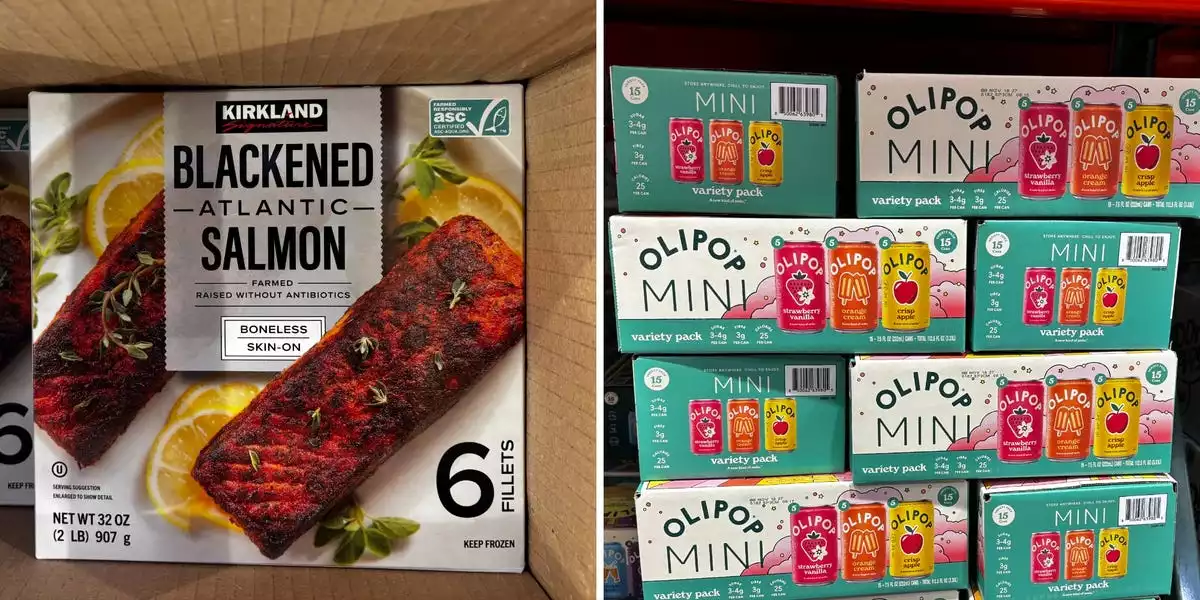
- Private label as a health-value lever: Items such as Kirkland Signature salmon signal a model where quality and affordability can coexist, especially in protein categories that are otherwise inflation-sensitive.
- Bulk purchasing as supply-chain stabilizer: Even if individual households consume smaller quantities, Costco’s aggregated demand can smooth supplier forecasting for proteins, produce, and functional ingredients—supporting steadier order cadence and potentially better pricing.
Notably, the “bulk” concept itself is evolving. For many GLP-1 consumers, bulk is less about eating more and more about reducing shopping frequency while keeping high-quality building blocks on hand. That aligns with a basket featuring nutrient-dense produce and proteins, plus functional complements—items like pears for fiber, pistachios for plant protein and healthy fats, and gut-health staples such as kimchi, bone broth, and prebiotic beverages.
The strategic implication is clear: if appetite suppression reduces total food volume, retailers win by increasing the nutritional yield per dollar—and by ensuring that “health-forward” does not become synonymous with joyless eating. Costco’s merchandising strength is its ability to make better-for-you choices feel mainstream, not niche.
The Next Competitive Frontier: Data, Digital Health, and “Precision Grocery”
The most consequential layer of this story may not be in the aisles, but in the data flows that connect medication, behavior, and food purchasing. GLP-1 prescribing is increasingly mediated by telehealth platforms, and consumers are simultaneously adopting food logging, wearables, and digital coaching. That creates the conditions for a new category of integration: nutrition recommendations that are personalized, measurable, and commercially actionable.
Several technology and partnership pathways stand out:
- AI-driven meal planning tied to nutrient gaps: With fewer calories consumed, the risk shifts toward under-consuming protein, fiber, and key micronutrients. AI systems could translate that risk into practical shopping guidance—such as Costco-ready bundles that prioritize omega-3-rich fish, fermented foods, and high-fiber produce.
- Cross-channel engagement between healthcare and retail: If pharmacies, telehealth providers, and retailers find compliant ways to coordinate, the market could move toward “closed-loop” ecosystems where medication adherence and nutrition adherence reinforce each other.
- Traceability and provenance as trust infrastructure: As functional claims proliferate—collagen in bone broth, grass-fed sourcing, non-GMO positioning—blockchain-based traceability and stronger documentation may become differentiators, especially if regulators tighten standards around health claims.
This is also where CPG innovation will be tested. The winners are likely to be products engineered for the GLP-1 reality: low-volume, nutrient-fortified formats that deliver meaningful protein and fiber without requiring large portions. Expect more R&D attention on:
- Micronutrient-dense bars and small meals designed for reduced appetite
- Probiotic and symbiotic formulations that support gut comfort and absorption
- High-protein, high-fiber hybrids that balance satiety with palatability
The commercial prize is significant: if payers and employers increasingly view GLP-1s as a tool to reduce long-term chronic disease costs, food may be pulled into the orbit of value-based care, where outcomes—not marketing—determine which products and programs scale.
Regulation, Inflation, and the Business Case for Nutrient Density
Two macro forces will shape how fast this ecosystem matures: food inflation and regulatory scrutiny. Elevated food-at-home prices make value perception paramount, even for health-motivated consumers. Retailers that can use scale to keep nutrient-dense staples accessible will be better positioned than those relying on premium-only functional assortments. At the same time, functional foods and “medical nutrition” claims are likely to face tightening definitions and enforcement, raising the cost of compliance and the importance of clinical substantiation.
For executives, the strategic playbook is becoming clearer:
- Treat GLP-1 users as a durable segment with distinct nutritional requirements
- Build assortments around protein, fiber, healthy fats, and gut health
- Use private label to democratize functional benefits without diluting trust
- Invest in data partnerships and personalization that reduce friction for consumers
- Prepare for a world where “food as wellness” is evaluated with increasing clinical rigor
GLP-1 drugs may suppress appetite, but they amplify something else: the demand that every bite count. Retailers like Costco—and the brands that learn to serve this nutrient-density mandate—are positioning themselves at the intersection of pharmaceuticals, consumer behavior, and the next evolution of the modern grocery basket.

 By
By
 By
By
 By
By

 By
By

 By
By
 By
By







