
Fibermaxxing as a consumer-led correction to America’s fiber gap
A TikTok-coined term—“fibermaxxing”—is quickly evolving from internet shorthand into a visible signal of unmet nutritional demand. Registered dietitian Cassandra Padula Burke frames the trend less as a fad and more as a corrective response to a persistent reality: many U.S. consumers chronically under-consume dietary fiber, despite decades of public-health guidance linking fiber intake to better digestive function, improved satiety, and reduced risk factors for cardiometabolic disease.
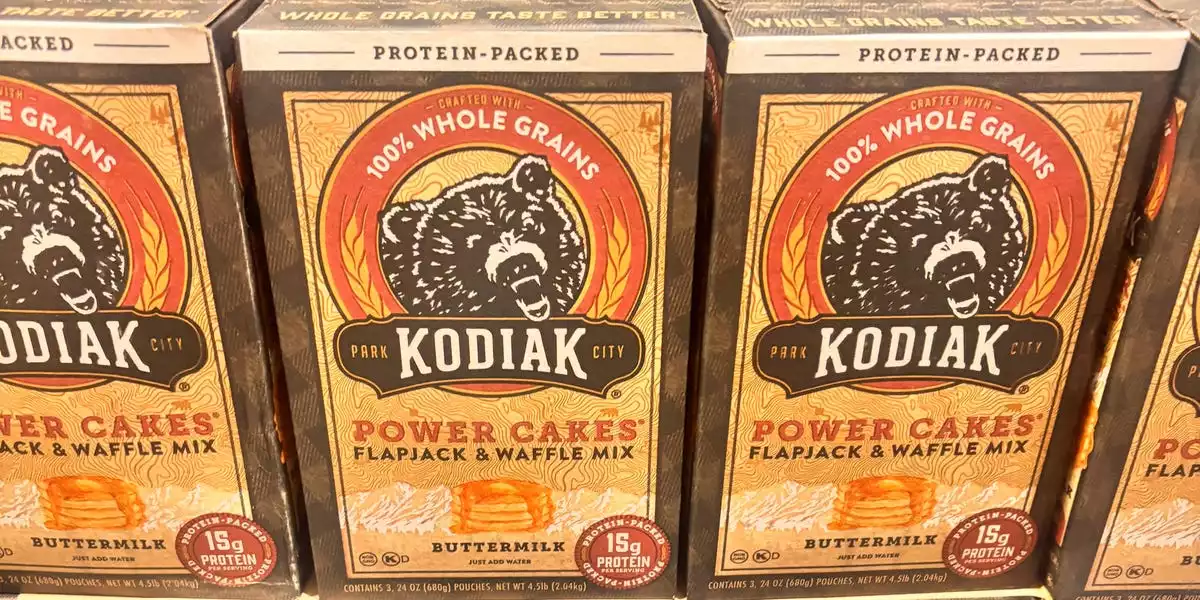
What makes this moment commercially and strategically notable is the way Burke operationalizes the concept. Rather than relying on niche supplements, she builds a high-fiber routine through repeatable, scalable staples—dried plums, riced cauliflower, avocado mash, kiwis eaten whole, protein cereal, mixed berries, black-bean burgers, chia seeds, pancake mix, and mushrooms—anchored in a modern Mediterranean-style pattern. This approach matters for business because it translates fiber from an abstract nutrient target into a basket-level purchasing strategy that can be replicated across households.
For brands and retailers, fibermaxxing is best understood as a convergence of three forces: nutritional deficiency, behavioral momentum, and product accessibility. When those align, “better-for-you” stops being aspirational and becomes routine.
—
TikTok’s algorithm as a rapid-cycle nutrition marketplace
Fibermaxxing also illustrates how social platforms increasingly function as real-time nutrition R&D environments. TikTok’s algorithmic distribution can elevate a niche behavior into a mainstream shopping cue within days, compressing what used to be multi-year education cycles into a single trend arc. In practice, this creates a feedback loop:
- Creators demonstrate specific foods and routines (often with quantified fiber grams).
- Audiences validate via comments, duets, and “what I eat” iterations.
- Retail demand spikes for the exact SKUs featured, not just the category.
- Brands observe and adjust messaging, packaging, and product claims faster than traditional market research would allow.
This is not merely influencer marketing; it is distributed product testing. When a cereal or frozen vegetable becomes a fiber hero online, manufacturers gain a live read on what resonates: convenience, taste, macros, price-per-serving, and how seamlessly the item fits into daily rituals.
The next step is already visible on the horizon: data-driven personalization. Fiber is uniquely positioned to benefit from the rise of microbiome interest because it can be framed as a measurable input with potentially measurable outcomes. As at-home testing, nutrition logging, and wearable integrations mature, fiber intake can shift from guideline to personalized intervention, with consumers seeking quantifiable “return on habit”—regularity, satiety, glucose stability, lipid improvements, or symptom management.
—
Costco, private label, and the economics of functional staples
Burke’s reliance on Costco is more than a shopping preference; it’s a case study in how wholesale economics can accelerate functional nutrition adoption. Bulk purchasing reduces friction in two ways: it lowers unit cost and ensures pantry continuity—critical for any dietary behavior that requires consistency.
From a market standpoint, several implications stand out:
- Wholesale resilience in inflationary conditions: Fiber-rich staples—frozen produce, dried fruit, seeds, and plant-forward proteins—fit Costco’s value proposition while supporting consumer health narratives.
- Private-label advantage: Kirkland Signature’s presence in fiber-friendly items underscores how private labels can compete not only on price but on trust, repeat purchase, and scale.
- Category-wide premiumization: Fiber is no longer confined to bran cereals. It is becoming a cross-category claim spanning breakfast, frozen foods, snacks, and meat alternatives—creating room for premium pricing when paired with credible functional benefits.
For CPG leaders, the strategic question is not whether fiber will trend, but how to balance channel mix. Direct-to-consumer offers margin and data; wholesale offers velocity and habit formation. The winners may be those who treat Costco-style distribution as a demand engine and DTC as a retention and personalization layer.
—
Where fiber trends intersect with food-tech, healthcare, and ESG strategy
Fibermaxxing also hints at a broader structural shift: the accelerating food–pharma convergence. As microbiome science advances, fiber could be reframed from “good nutrition” to therapeutic nutrition, especially for prediabetes, IBS, and cardiometabolic risk management. That opens pathways for:
- CPG–biotech partnerships around microbiome-supporting formulations
- Clinically validated claims tied to biomarkers (HbA1c, LDL, triglycerides)
- Potential future “prescribed diet kits” distributed through pharmacies or provider networks
Equally important is the sustainability dimension embedded in Burke’s choices—particularly mushrooms as a partial meat substitute. This is a practical example of how fiber-forward eating can align with ESG priorities by nudging demand toward plant-forward inputs that may reduce exposure to volatile animal-protein supply chains. For executives and investors, fiber initiatives can function as both public-health positioning and commodity-risk mitigation.
Fibermaxxing may have arrived via TikTok, but its staying power will be determined by what business does next: build products that make fiber effortless, substantiate benefits with evidence, and connect digital behavior to real-world outcomes at the shelf and beyond.
 By
By
 By
By
 By
By


 By
By