

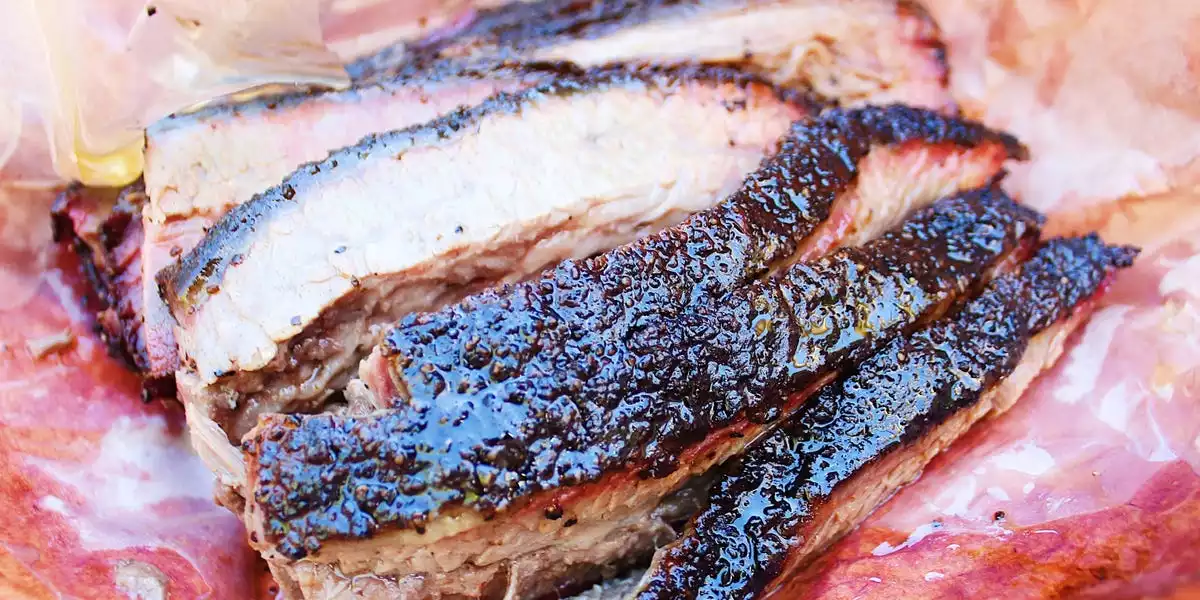

A 50-state barbecue map that doubles as a market signal for food, travel, and tech
A curated, one-per-state roster of standout barbecue restaurants reads like a culinary road atlas—but it also functions as a real-time snapshot of how regional brands compete, scale, and stay resilient in a high-cost, high-expectation dining economy. From Dreamland BBQ in Alabama (est. 1958) to Idaho’s vegan-forward BBQ4LIFE, the list spans century-old family institutions, James Beard–recognized operators, and concept-driven newcomers that treat barbecue as both craft and platform.
What makes the compilation commercially meaningful is its emphasis on place-based differentiation. Barbecue is not a monolith; it is a portfolio of micro-regional techniques and narratives—Texas-style wood-smoked brisket, Hawaiian kalua pig cooked in an imu pit, mutton specialties, and Caribbean-inflected rubs—each carrying a distinct identity that is difficult to replicate. In a restaurant landscape where menus can be copied overnight, these operators are effectively selling provenance, tradition, and pilgrimage—a defensible strategy that can translate into pricing power and durable demand.
Key signals embedded in the list include:
- Legacy as brand equity: multi-generation operations (e.g., long-running family businesses) convert history into trust and repeat visitation.
- Innovation as relevance: plant-forward barbecue and cross-cultural fusions expand the addressable market without abandoning the “smokehouse” core.
- Experience as product: themed dining, beachside pairings, and celebrity shout-outs transform meals into shareable events—fuel for digital discovery and tourism.
Authenticity as a competitive moat: why “local” is more than a marketing adjective
The most strategically potent thread across the state-by-state selections is territorial identity—the deliberate anchoring of flavor, technique, and story to a specific geography. This is not nostalgia for nostalgia’s sake; it is a business asset that raises barriers to entry. When a restaurant’s value proposition depends on a hard-to-imitate tradition—say, a specialized regional meat, a distinctive pit method, or a decades-old recipe—competitors can mimic the menu language but struggle to replicate the credibility.
Examples highlighted in the source material underscore how authenticity becomes operational strategy:
- Technique-driven differentiation: Hawaiian imu traditions and region-specific smoking methods create a “you have to be there” effect.
- Specialization as positioning: mutton-focused barbecue or signature rib programs become category ownership rather than generalist offerings.
- Narrative density: references to storied origins, local rituals, and community roots turn a restaurant into a landmark.
This is where barbecue intersects with the experience economy. Many of these destinations are framed as “must-visit” stops—less like interchangeable eateries and more like cultural attractions. That framing matters because it changes consumer behavior: travelers budget time, tolerate lines, and often accept premium pricing when the meal is tied to a sense of place. For regional economies, these restaurants act as tourism infrastructure, pulling foot traffic that spills into nearby hotels, retail, and entertainment.
The hidden machinery: supply chains, inflation pressure, and the premium placed on inputs
Behind the romance of smoke and fire sits a complex set of logistics decisions—especially when operators treat ingredients and fuel as brand-critical. The example of Post Oak Barbecue in Colorado trucking wood from Austin is more than a colorful detail; it illustrates a broader willingness to absorb cost and complexity to protect perceived quality. In today’s dining market, where consumers are increasingly fluent in the language of craft, the choice of wood, cut, and sourcing can function like a product spec sheet.
But that commitment collides with macroeconomic reality. Independent barbecue operators face acute exposure to:
- Commodity volatility: meat prices fluctuate with feed costs, weather events, and broader supply shocks.
- Fuel and freight inflation: transporting specialty inputs can compress margins quickly.
- Labor constraints: long-cook formats and skilled pit work are labor-intensive, making staffing stability a competitive advantage.
The strategic response, hinted at in the analysis, is a shift toward more sophisticated procurement and risk management—tools once associated with larger chains:
- Fixed-price or bulk meat contracts to reduce price swings.
- Local farmer partnerships to stabilize supply while strengthening authenticity claims.
- Lean inventories of specialty inputs justified by brand premium, not volume economics.
In effect, top-tier barbecue is increasingly operating like a craft manufacturing business: input quality is central, waste is costly, and consistency is the product.
Media amplification and the next growth playbook: data, loyalty, and scalable storytelling
The list also highlights the modern accelerant for regional restaurants: earned media and influencer distribution. A feature on a major food show—such as Guy Fieri’s “Diners, Drive-Ins and Dives”—can generate demand spikes that traditional advertising budgets struggle to match. For barbecue, a category already primed for visual storytelling (smoke plumes, slicing brisket, rib close-ups), the conversion from attention to foot traffic is unusually direct.
What’s changing is how that demand is managed and monetized. Lines that once formed purely on sidewalks are increasingly mediated by apps, SMS waitlists, and digital ordering, turning operational friction into data. The most forward-leaning operators are effectively building lightweight customer intelligence systems—tracking repeat visits, peak demand windows, and menu performance—without needing enterprise-scale infrastructure.
The innovation layer is equally telling. BBQ4LIFE in Idaho signals that vegan and plant-forward barbecue is no longer a novelty; it’s a market expansion strategy that can coexist with traditional smokehouse cues. Meanwhile, cross-cultural concepts—pirate-themed Caribbean mash-ups, island techniques, regional hybrids—demonstrate how barbecue is evolving into a flexible format rather than a fixed canon.
For investors and operators, the forward-looking implications are clear:
- Digital transformation is no longer optional for managing demand, labor, and margin.
- Franchising and roll-up interest will likely grow around brands with proven media ROI—though standardization risks diluting the very authenticity that drives demand.
- Sustainability and traceability—from ethical meat sourcing to wood provenance—are poised to become differentiators as regulation and consumer scrutiny tighten.
Taken together, the 50-state barbecue spotlight is less a foodie checklist than a blueprint for how modern hospitality wins: protect a defensible identity, engineer the supply chain to support the promise, and use digital media and data to convert regional fame into durable enterprise value.

 By
By
 By
By


 By
By

 By
By
 By
By







