

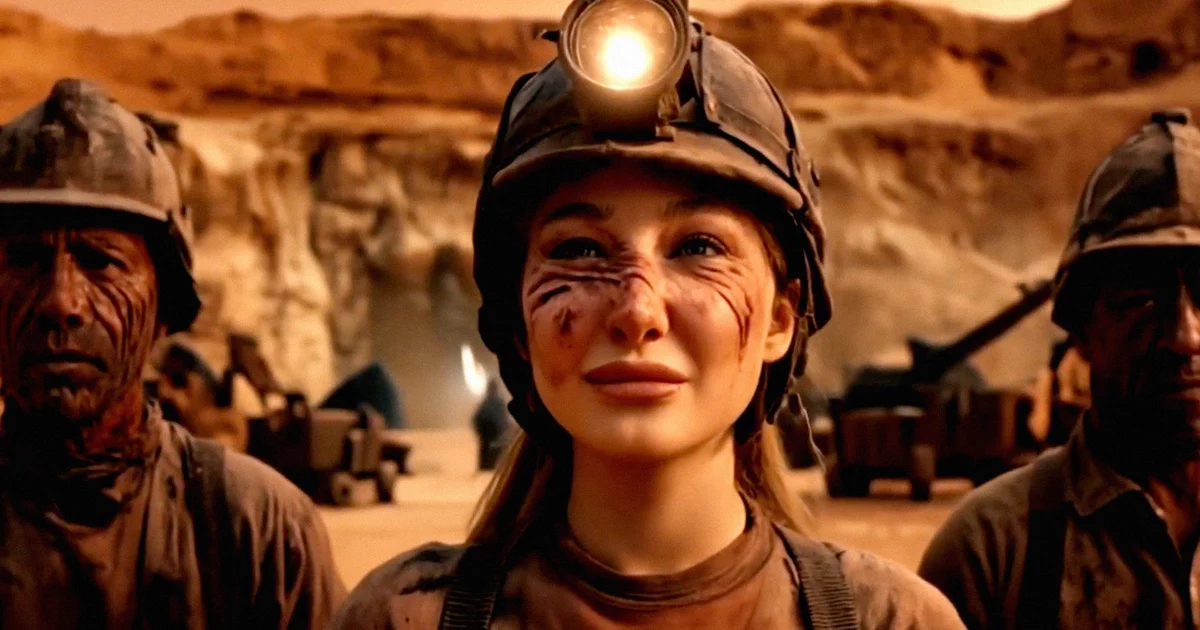

An Algorithmic Auteur: The Arrival of AI-Directed Cinema
In a move that feels both inevitable and uncanny, Italian producer Andrea Iervolino has unveiled “The Sweet Idleness,” a feature film to be “directed” from start to finish by an artificial intelligence system known as FellinAI. This project, with Iervolino stepping back into the role of human-in-the-loop supervisor, lands at a moment when Hollywood’s anxieties over generative AI are reaching a fever pitch. The appearance of synthetic actors like Tilly Norwood and the vocal concerns of stars such as Emily Blunt and Whoopi Goldberg have already set the stage for an industry reckoning. Now, with the prospect of a fully AI-helmed film, the creative world faces a new inflection point—one that could redefine not just moviemaking, but the very economics and ethics of creativity.
The Anatomy of an AI Director: Technology, Risk, and Reinvention
FellinAI’s emergence signals a profound technological leap: the collapse of the entire film production chain—pre-production, principal photography, and post—into a seamless, compute-driven loop. This is not merely about swapping out a few tools; it’s about reimagining the pipeline itself:
- Multimodal Generative Stacks: FellinAI likely orchestrates a suite of AI capabilities, from text-to-video synthesis and scene composition to voice generation and narrative reinforcement learning. The boundaries between scripting, shooting, and editing dissolve into a single algorithmic process.
- Human-in-the-Loop Governance: Iervolino’s new role is less director, more curator and prompt engineer. The creative overseer becomes a negotiator of rights and a shaper of inputs, echoing the product manager more than the auteur.
- Data and Model Risks: Training an AI “director” on classic films raises thorny questions about copyright and transparency. The EU AI Act and the evolving stance of the US Copyright Office loom large, as studios and startups alike navigate the minefield of dataset provenance and intellectual property.
- Resource and Environmental Costs: The computational demands of generative video are immense. GPU scarcity, rising energy consumption, and escalating costs may temper the supposed efficiencies of AI-driven production, especially as the industry’s net-zero commitments come under scrutiny.
Economic Shockwaves: Labor, IP, and the New Studio Playbook
The economic implications of AI-only filmmaking are seismic. If the model proves viable, the marginal cost of content creation could plummet—by as much as 60–80% for mid-budget films. This threatens to intensify the “content oversupply” already challenging streaming platforms, while upending traditional production economics.
- Labor Displacement and Union Response: Unlike previous waves of automation, generative AI targets creative, above-the-line talent first. Labor unions are already bracing for a new era of collective bargaining, one focused on digital likeness rights and residuals for AI-generated performances.
- IP Portfolio Arbitrage: Studios with deep content libraries gain a new asset: archival films as training data. This could transform back catalogs from passive revenue sources into strategic engines for AI-driven content, further consolidating power among incumbents.
- Brand and Sponsorship Risk: The novelty of synthetic storytelling may wear thin, with early audience sentiment hinting at a potential backlash against inauthenticity. Marketers and distributors must tread carefully, balancing innovation with the preservation of brand equity.
Navigating the Unknown: Strategy, Policy, and the Future of Creativity
The debut of “The Sweet Idleness” is not just a cinematic experiment—it is a stress test for the entire creative economy. Strategic, regulatory, and ethical considerations now converge in ways that demand both agility and foresight:
- Guild Negotiations and Rights Management: Expect new frameworks for AI usage levies, akin to music sampling royalties. Studios must prepare for complex rights-clearing protocols and the possibility of residual structures for digital labor.
- Authenticity and Provenance: Watermarking, cryptographic production logs, and content authenticity infrastructure will become essential, as studios and platforms seek to insulate themselves from deepfake liabilities and misinformation risks.
- Sustainability Optics: The carbon footprint of AI-driven productions could draw activist scrutiny, especially as GPU farms consume vast amounts of energy. ESG considerations are no longer peripheral—they are central to the industry’s social license to operate.
- Cultural and Policy Tensions: Italy’s film-tax credits and the EU’s cultural exception may clash with the rise of non-human auteurs, raising questions about creative sovereignty and the preservation of national identity in an algorithmic age.
The ripples extend far beyond Hollywood. The convergence of film and gaming pipelines, the implications for white-collar automation, and the shifting valuations of content libraries all point to a future where AI-generated creativity is not just a novelty, but a new normal. For decision-makers, the imperative is clear: experiment boldly, safeguard rights, codify ethical guardrails, and invest in the creative-technological fluency that will define the next era of storytelling.
As “The Sweet Idleness” moves from concept to screen, it does so not as a mere curiosity, but as a harbinger—a test of how much creative industries, and society at large, are willing to entrust to the algorithmic imagination. The outcome will reverberate across boardrooms, bargaining tables, and audiences worldwide.

 By
By
 By
By

 By
By

 By
By

 By
By







