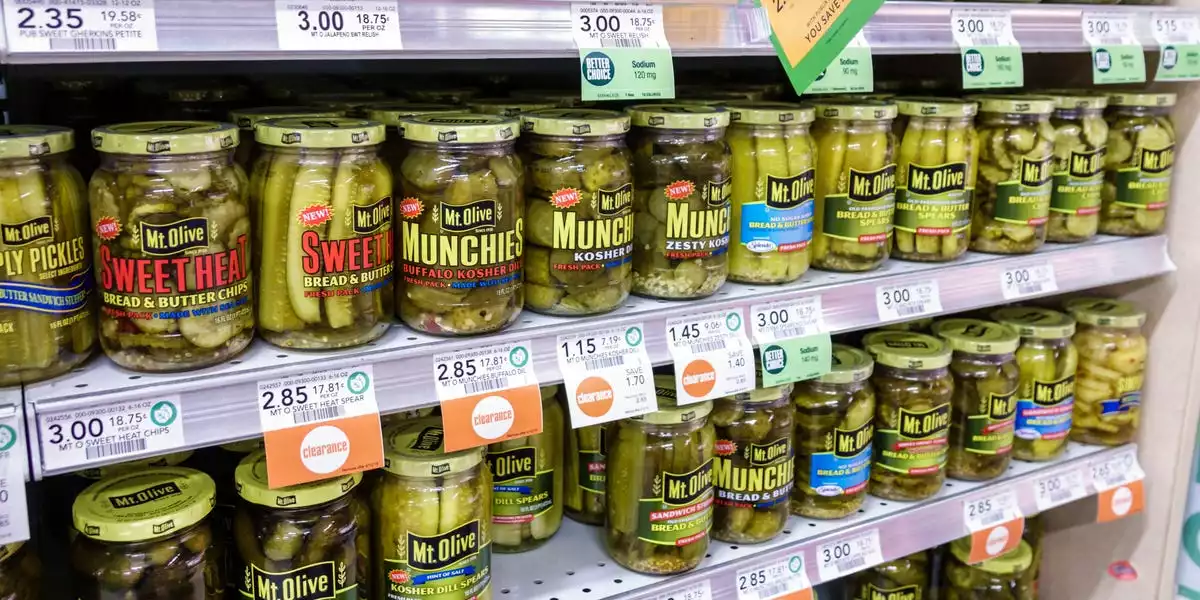

The Pickle Ascendant: How a Classic Condiment Became a Platform for Culinary Innovation
In a move that is equal parts whimsical and strategic, McDonald’s recent launch of the dill-seasoned “Merry Pickle” fry—nestled within a Grinch-themed holiday meal—has signaled a profound shift in the American flavor landscape. What was once a humble garnish has now matured into a full-fledged, bankable flavor platform, riding a wave of cultural, technological, and economic forces that are redefining the very architecture of the quick-service restaurant (QSR) menu.
The Social, Sensory, and Economic Drivers of Pickle Mania
The pickle’s meteoric rise is no accident. Its journey from sandwich sidekick to menu centerpiece is propelled by a confluence of factors that speak to the evolving palate—and psyche—of the North American consumer.
- Social Media’s Flavor Flywheel: The vivid green of dill seasoning, its unmistakable crunch, and the ASMR-friendly sizzle of seasoned fries are catnip for short-form video platforms. TikTok and Instagram, with their algorithmic hunger for novelty and spectacle, have compressed the time between micro-trend and mass-market rollout. A flavor once relegated to regional festivals now enjoys a 30% menu penetration rate, its popularity amplified by the digital echo chamber.
- Gen Z’s Appetite for Bold and Beneficial: For consumers born after 1996, flavor is not just about taste—it’s about experience and perceived wellness. Pickle, with its acidic punch and fermented-food halo, sits at the intersection of “bold” and “beneficial.” The generation’s fascination with electrolytes, probiotics, and remixable flavors has made the pickle not only permissible, but aspirational.
- Inflationary Escapism and Functional Health: In an era of sticky inflation, affordable indulgences like flavored fries become small luxuries—offering experiential value without breaking the bank. The association of pickles with gut health, even when the science is more suggestive than definitive, further boosts their appeal, both in grocery aisles and QSR counters.
Technology’s Role: From Algorithmic R&D to Agile Supply Chains
Behind the scenes, a quiet technological revolution is accelerating the pickle’s ascent. The food industry’s embrace of data-driven innovation is compressing product development cycles and enabling rapid response to viral trends.
- AI-Powered Flavor Development: Flavor houses now deploy machine learning on chromatographic and sensory datasets, predicting consumer acceptance and reducing formulation timelines for limited-time offers from months to mere weeks. This rapid-prototype R&D is not just a novelty—it’s a new industry standard.
- Supply Chain Agility and Fermentation Infrastructure: Advances in brine-powder conversion and encapsulation technology allow for room-temperature shipping and streamlined final-mile execution—critical for global rollouts under labor constraints. Meanwhile, the expansion of fermentation infrastructure, including contract manufacturing and bio-reactor platforms, is laying the groundwork for future cross-category innovation, from pickles to precision-fermented proteins.
- Digital Test Markets: The McDonald’s Canada launch exemplifies a new era of geo-sequenced A/B testing, where POS and loyalty-app data feed predictive models that de-risk broader U.S. scale-ups. The result is a nimble, iterative approach to menu innovation.
Competitive Strategy and the Flavor Platform Playbook
The economic and competitive implications of the pickle boom are profound, extending far beyond novelty fries.
- A $15 Billion Market by 2030: With the North American pickle market projected to reach $15.3 billion, pickles are rivaling the growth trajectories of plant-based milks and other breakout categories. M&A interest is heating up, with condiment majors and private equity circling for the next post-sriracha growth curve.
- Menu Color Wars and Cross-Channel Convergence: The Merry Pickle fry’s vivid green branding is more than a visual gimmick; it’s a strategic moat in the attention economy, echoing previous plays like the Grimace shake and Burger King’s black bun. Meanwhile, the lines between grocery, convenience, and QSR are blurring, as flavor IP migrates across channels and licensing opportunities multiply.
- Margin Management and ESG Considerations: Pickle seasoning leverages existing fry platforms with minimal operational disruption, converting high-margin ingredients into incremental check averages—a crucial advantage in a tight-labor environment. Yet, as sustainability narratives gain traction, brands must grapple with the water-intensive nature of cucumbers, vinegar, and dill, weaving ESG considerations into procurement and storytelling.
The Road Ahead: Fermentation, Functionality, and Generative Flavor Design
The pickle’s transformation from garnish to platform is just the beginning. The broader fermented-flavor renaissance is poised to bring kimchi, gochujang, and koji into the QSR mainstream, mirroring the microbiome’s ascent in public consciousness. Future seasoning SKUs will likely bundle functional claims—electrolytes, postbiotics—blurring the line between snack and supplement.
Generative AI is set to further disrupt the flavor development cycle, enabling “viral to viable” launches in under 90 days and raising new questions around intellectual property in algorithmically designed flavors. As sodium and additive scrutiny intensifies, early investment in low-sodium brining and transparent sourcing will become not just prudent, but essential.
For the food industry, the pickle is no longer just a flavor—it is a strategic platform, a canvas for innovation, and a bellwether for the future of taste. In this era of rapid, data-driven product cycles and converging wellness narratives, those who treat flavor trends as springboards for broader functional and experiential innovation will shape the next chapter of the culinary economy. The lesson is clear: in the hands of a nimble brand, even the most familiar ingredient can become a catalyst for transformation.

 By
By
 By
By

 By
By
 By
By

 By
By
 By
By