
Gotham on the Metro: How Micro-Surprises Unlock Prosocial Behavior
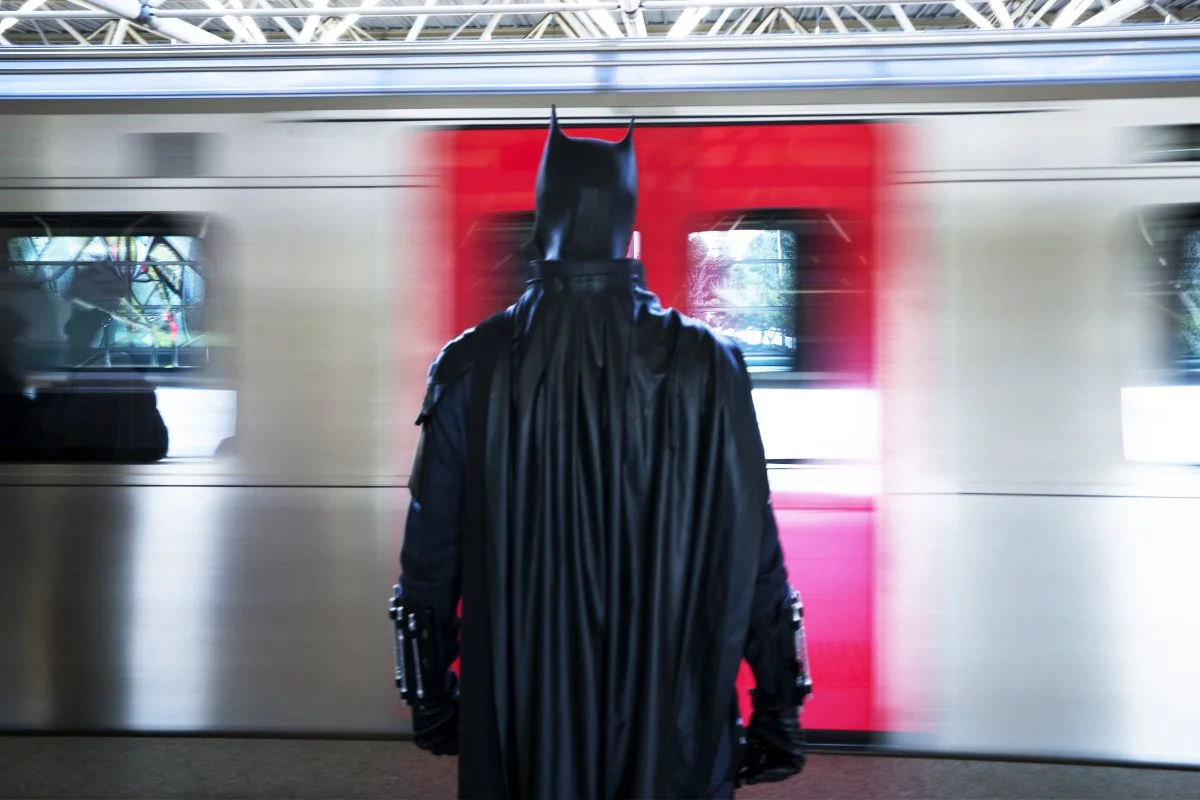
The morning subway commute, a tableau of glazed eyes and silent calculation, rarely inspires acts of generosity. Yet, a recent peer-reviewed study published in *npj Mental Health Research* reveals that even the most mundane environments can be transformed by a single, unexpected twist. The experiment was deceptively simple: a volunteer dressed as Batman quietly boarded a train, his presence the only anomaly in an otherwise routine scene. The result? Subway riders were almost twice as likely to offer their seats to a visibly pregnant woman—67 percent, compared to just 37 percent when the caped crusader was absent.
What’s most striking is not only the magnitude of this behavioral shift, but the mechanism behind it. Most helpers later reported no conscious memory of Batman at all. This suggests that even subtle, barely-registered “cognitive jolts” can disrupt the inertia of self-absorption, sharpening social awareness and catalyzing prosocial action—no mindfulness app required.
The Science of the Unexpected: Nudges, Norms, and Gendered Response
This so-called “Batman effect” is more than a quirky anecdote—it’s a breakthrough in behavioral science with broad implications for business, technology, and civic design. The study’s findings crystallize three core insights:
- Micro-Interruptions as Behavioral Nudges:
Small, low-cost interventions—what designers call “micro-interruptions”—can be as effective as explicit appeals or financial incentives in shifting behavior. A flash of novelty in a predictable setting breaks the spell of autopilot, inviting people to reconsider their surroundings and their role within them.
- Subliminal Priming of Social Norms:
The helpers’ lack of conscious recall points to the power of subliminal cues. Novelty, even when not fully registered, can unconsciously activate normative scripts—like the unspoken rule to offer one’s seat to someone in need.
- Demographic Nuance:
The study also surfaced a gender skew: women were more likely than men to respond to the prosocial cue. This hints at deeper demographic asymmetries that any sophisticated intervention must account for, whether in public policy or private enterprise.
From Subway Cars to Storefronts: Strategic Lessons for Experience Design
The implications of this research ripple far beyond public transit. For business and technology leaders, the findings validate a design principle long intuited but rarely quantified: episodic novelty in otherwise predictable environments accelerates desired actions, often at minimal cost.
- Retail and Experience Design:
Imagine dynamic mannequins, rotating augmented reality overlays, or playful shelf talkers that “wake up” inattentive shoppers. These micro-surprises can nudge customers toward purchases, sign-ups, or longer dwell times, all without resorting to discounts or intrusive advertising.
- Digital Platforms and User Experience:
Online, the same autopilot problem persists. Algorithmically-timed Easter eggs, sporadic color inversions, or whimsical chatbot personas can boost user engagement and reciprocity—think more reviews, tips, or community help—without the need for expensive loyalty programs.
- Smart Cities and Civic Infrastructure:
Municipalities, often hamstrung by budget constraints, can deploy artistic or playful signage—like graffiti-style crosswalk animations projected by LED paving—to foster courtesy and safety. Such interventions cost a fraction of traditional enforcement and can measurably improve public behavior.
- Corporate Culture and Hybrid Work:
In the age of distributed teams, HR leaders might experiment with ambient VR backgrounds, rotating digital art, or surprise “guest” avatars in meetings to prime collegiality and knowledge-sharing. The result: a culture lift without additional headcount.
Navigating the New Attention Economy: Risks, Rewards, and the Road Ahead
As digital ad costs climb and attention splinters, novelty-based nudges offer a non-advertising path to influence behavior, reducing reliance on ever-more-intrusive media spend. For organizations under pressure to demonstrate ESG bona fides, these interventions provide a measurable KPI for the “S” in ESG audits—verifiable evidence of social impact.
Yet, the power of surprise is not without risk. As AI and automation increasingly shape our environments, designers must tread carefully. The same mechanisms that foster kindness could, if abused, veer into manipulative “dark patterns.” Transparent governance and ethical frameworks will be essential, especially as personalization engines begin to optimize cognitive jolts by demographic cluster.
Looking forward, the commercialization of these insights seems inevitable. Expect pilots in retail banking, quick-service restaurants, and transit hubs—costumed staff, interactive signage, or AR filters all testing the lift in courtesy metrics and net promoter scores. In the medium term, “Behavioral-as-a-Service” vendors may emerge, blending neuroscience, AR, and analytics to deliver turnkey micro-interruption campaigns. And as smart-city infrastructure matures, surprise-nudge modules could become standard in urban planning, codified into RFPs and city guidelines.
The lesson is clear: subtle, well-timed novelty can shift collective behavior more cheaply and ethically than traditional incentive schemes. Organizations that operationalize this insight—whether in customer journeys, workspace design, or civic infrastructure—stand to capture outsized returns, both economic and reputational. The age of humane experience engineering is just beginning, and the world could use a few more Batmen.

 By
By
 By
By
 By
By
 By
By

 By
By

 By
By