


A fast-moving outbreak meets a slow-moving pathogen
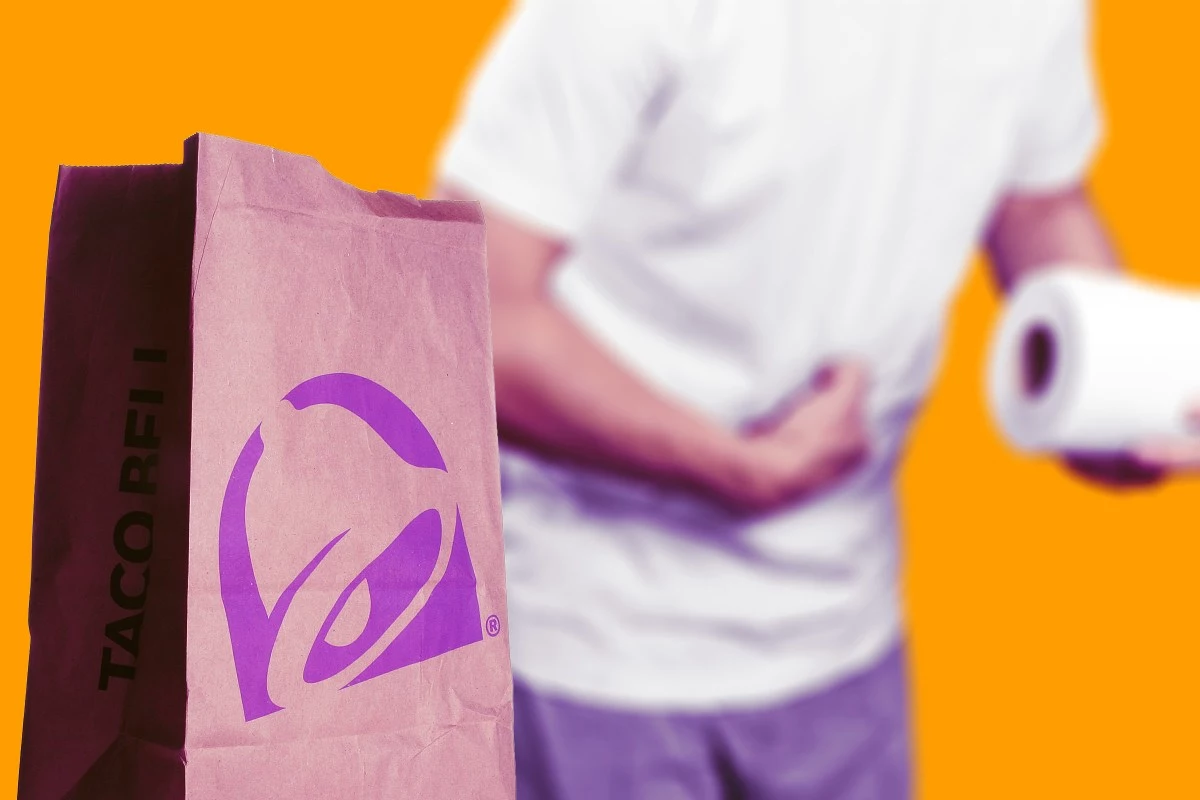
A multi-state outbreak of cyclosporiasis—a gastrointestinal illness caused by the parasite *Cyclospora cayetanensis*—has now sickened nearly 3,000 people in the United States, with Michigan representing more than half of confirmed cases. That geographic concentration is shaping corporate and public-health responses, including a notable move by Taco Bell, which has voluntarily removed several fresh-produce ingredients—including lettuce, cilantro-onion blends, pico de gallo, and guacamole—from its Michigan locations.
Importantly, Taco Bell has not been linked to any confirmed infections. The decision reads less like an admission and more like a risk-control maneuver in an environment where the epidemiology of Cyclospora works against fast, precise attribution. The CDC has repeatedly emphasized a central challenge: symptoms often appear about a week after consumption, and sometimes longer. By the time patients seek care, testing is performed, and cases are reported, the relevant produce lots may have already moved through distribution channels—or been consumed and discarded—leaving investigators with incomplete purchase histories and fragmented supply-chain records.
This is the uncomfortable reality of modern foodborne outbreaks: the public expects immediate answers, but the pathogen’s timeline and the food system’s complexity often make “the source” a moving target. With no specific recalls issued so far, the burden shifts to preventive consumer guidance—washing produce, cooking when possible, and exercising caution with raw vegetables—while brands and regulators operate in a fog of uncertainty.
Why produce traceability is still the industry’s weak link
Outbreak investigations routinely expose the same structural vulnerability: end-to-end traceability for fresh produce remains inconsistent, especially across multi-tier supplier networks that span growers, packers, brokers, distributors, and foodservice operators. Cyclospora amplifies that weakness because the incubation delay stretches the time between exposure and detection, increasing the odds that:
- lot-level records are incomplete or inaccessible, particularly when data passes through multiple intermediaries
- inventory has rotated beyond the window where targeted holds or withdrawals are feasible
- investigators must rely on consumer memory and partial transaction data rather than definitive chain-of-custody evidence
In that context, Taco Bell’s menu adjustment is revealing. When traceability cannot quickly narrow risk to a specific supplier, farm, or lot, companies often default to broad operational controls—removing ingredients across a region—because it is faster than waiting for definitive attribution. The trade-off is blunt-force disruption: fewer menu options, altered product experience, and potential customer confusion. Yet it can also be the least-worst option when the alternative is lingering uncertainty and the reputational damage of appearing passive.
The technology sector has long promised a solution. Blockchain-backed ledgers, IoT sensors, and DNA barcoding can, in theory, provide near-real-time provenance and tighter lot genealogy. The friction is not the concept—it’s deployment:
- Integration costs are hard to justify in low-margin produce categories
- data standards vary across suppliers and regions, limiting interoperability
- many participants remain skeptical of ROI unless adoption is mandated by major buyers or regulators
The result is a familiar pattern: traceability improves in pockets, but outbreaks expose the gaps between those pockets.
Detection technology: the lag between lab certainty and operational urgency
Cyclospora is not the easiest contaminant to detect at scale. Traditional confirmation often relies on specialized microscopy or PCR testing performed in centralized public-health laboratories, which can introduce delays that feel incompatible with the speed of modern consumer behavior and social media amplification. Even when public health systems perform well, the timeline from illness to confirmed case can exceed the window in which a restaurant chain can surgically isolate a suspect ingredient lot.
That mismatch is driving interest in faster, more distributed detection models, including:
- rapid immunoassays and emerging point-of-care platforms
- next-generation sequencing (NGS) for higher-resolution outbreak linkage
- field-deployable screening at distribution centers or central kitchens
But here, too, the bottlenecks are practical: regulatory validation pathways, cost per test, sampling protocols, and the operational question of what to do with ambiguous results. A false positive can trigger unnecessary waste and disruption; a false negative can be catastrophic. This is where industry consortia and public-private partnerships may matter most—standardizing validation and data-sharing so that rapid testing becomes both credible and economically viable.
For quick-service restaurants (QSRs), the strategic opportunity is to treat diagnostics not as a compliance afterthought but as a supply-chain control layer—akin to cybersecurity monitoring—designed to detect anomalies early and reduce the need for sweeping, brand-visible interventions.
The business calculus: brand protection, insurance pressure, and “fresh” as a risk profile
From a market perspective, the Michigan ingredient removals illustrate a core tension in foodservice strategy: consumers reward “fresh,” but freshness often means more raw inputs, more handling, and more exposure to upstream agricultural variability. Removing ingredients can depress sales in the short term—simplifying menus tends to reduce customization and can lower average ticket size. Yet the downside of a confirmed linkage to illness is typically far larger, spanning:
- brand equity erosion and reduced customer trust
- heightened scrutiny from regulators and media
- potential litigation and long-tail reputational effects
- rising product-liability and recall insurance premiums, as carriers price systemic supply-chain risk more aggressively
The outbreak also reopens a strategic debate: whether resilience requires a shift toward processed or validated alternatives—for example, heat-treated or pasteurized components—without undermining the marketing value of “fresh.” The most competitive operators may be those that can engineer flexibility: dynamic menus that can swap ingredients quickly, and supplier programs that reward verified traceability and testing performance.
Meanwhile, policy gravity is pulling in the same direction. The Food Safety Modernization Act (FSMA) pushed the system toward prevention, but enforcement variability and resource constraints—especially among smaller growers—leave uneven protection. Future regulatory moves may increasingly favor digital traceability requirements for high-risk items, shifting costs upstream and forcing faster modernization across the produce ecosystem.
What stands out in this episode is not only the scale of illness, but the way it spotlights a broader truth: in 2026’s food economy, trust is built as much through systems—data, testing, provenance, and transparency—as through taste and price. Brands that can operationalize that trust, even amid uncertainty, will define the next competitive frontier in fast food and fresh supply chains.

 By
By


 By
By
 By
By

 By
By
 By
By







