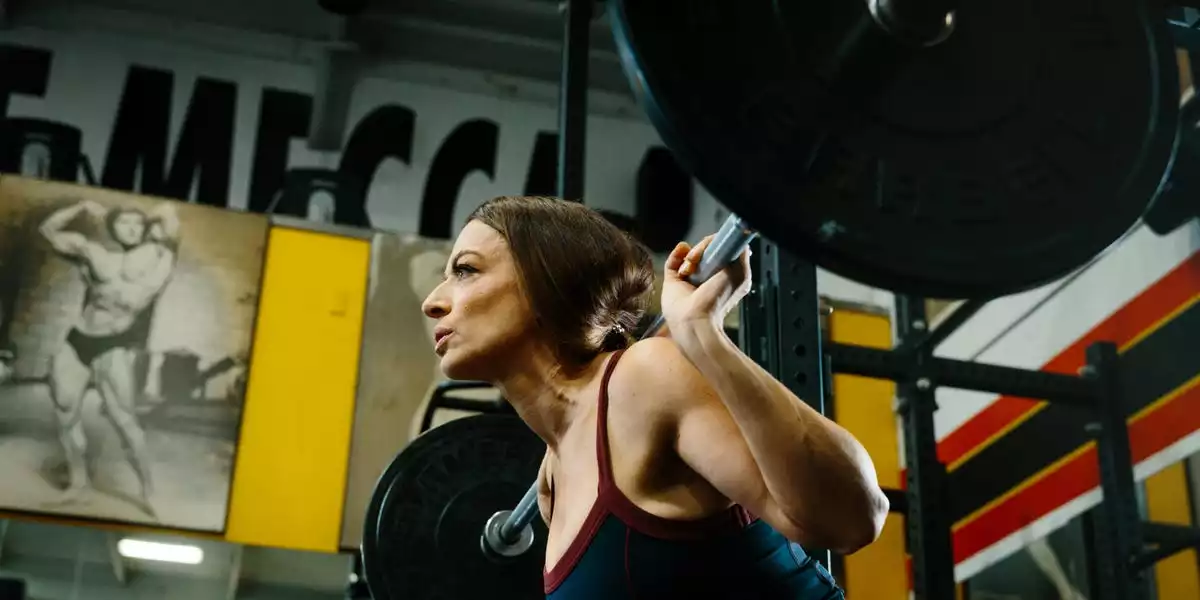

Strength as executive infrastructure: why resistance training is becoming a leadership signal
A notable shift is taking hold among women in high-pressure professional roles: structured strength training is increasingly treated as a strategic practice, not a lifestyle accessory. The appeal is not confined to aesthetics or even general wellness. In sectors where performance is measured in deadlines, negotiation outcomes, and composure under scrutiny—law, finance, consulting, technology leadership—strength training is being reframed as a repeatable system for building mental resilience, confidence, and presence.
The ritualized nature of progressive training—adding load, refining technique, tracking recovery—maps cleanly onto the psychology of high performance. For many professionals, the weight room offers a rare environment where effort and progress are measurable, and where competence is earned through consistency rather than perception. That dynamic can translate into the workplace as a steadier self-concept: capability demonstrated privately becomes confidence expressed publicly.
This cultural reframing is also reshaping the fitness industry’s physical footprint. Gyms and studios are reallocating space away from cardio rows and toward free weights, racks, and resistance rigs, responding to demand for programming that prioritizes strength, bone density, and long-term metabolic health. The slogan “strong is the new skinny” may be the headline, but the underlying driver is more pragmatic: strength is increasingly viewed as a form of career durability.
The science and the social layer: muscle mass as health capital—and network capital
The movement is gaining momentum because it aligns with a growing body of clinical and public-health research linking muscle mass and strength to outcomes that matter well beyond the gym:
- Bone health and fracture risk reduction, particularly relevant as women age and osteoporosis risk rises
- Metabolic vitality, including improved insulin sensitivity and healthier body composition
- Functional longevity, where strength supports mobility, independence, and injury resilience
- Healthy aging narratives, as resistance training becomes a cornerstone of “anti-aging” and lifespan optimization conversations
Yet the story is not purely biomedical. Just as significant is the emergence of women-focused strength environments—women-only lifting spaces, female-coached barbell clubs, and boutique studios that emphasize technique and progression. These settings often function as informal professional ecosystems: a place where mentorship, referrals, and candid career talk can happen without the performative constraints of the office.
In that sense, strength training is becoming both health capital and network capital. The gym floor—once dominated by cardio culture and male-coded weight areas—is increasingly a venue where women build community, share tactics for navigating leadership, and reinforce collective ambition. The result is a feedback loop: stronger bodies support stronger boundaries, and stronger networks reinforce the confidence to pursue bigger roles.
Fitness meets AI: wearables, form-correction algorithms, and the rise of performance data stacks
Technology is accelerating this shift by making strength training more measurable, personalized, and scalable. The demand for structured programming dovetails with advances in wearables and AI-driven coaching, particularly tools that can replicate elements of elite training environments for everyday users.
Key developments reshaping the strength-training experience include:
- Sensor-based technique feedback, using computer vision or wearable motion tracking to estimate joint angles, bar path, and range of motion
- Velocity-based training signals, where barbell speed becomes a proxy for fatigue and readiness—once the domain of sports labs, now moving into consumer platforms
- Recovery and load management, combining sleep, heart-rate variability, and training volume to recommend adjustments and reduce injury risk
- Integrated data platforms, aggregating workouts, biometrics, and recovery metrics into a single user profile
For business and HR leaders, the more consequential implication may be where this data goes next. Platform providers are positioning strength and recovery analytics to plug into corporate wellness ecosystems, potentially linking participation and health indicators to broader talent initiatives. That creates opportunity—more targeted benefits, better preventive health outcomes—but also raises governance questions around privacy, consent, and the ethical boundary between wellness support and performance surveillance.
Meanwhile, gyms themselves are evolving into tech-enabled studios. IoT-linked equipment, automated load profiling, and hybrid subscription models are turning strength training into an omnichannel product: on-demand programming at home, technique workshops in person, and continuous tracking across both.
Where the money is moving: equipment R&D, real estate redesign, and preventive-health ROI
Economically, the implications are substantial in a fitness industry measured in the tens of billions globally. As demand shifts, manufacturers and operators are reallocating investment:
- Equipment makers are prioritizing modular rack systems, calibrated plates, and “smart” barbells, chasing higher-margin categories than traditional cardio hardware
- Gym operators and landlords are redesigning floor plans around open weight rooms and recovery zones, which can support premium class pricing and higher revenue per square foot
- Boutique studios are packaging strength as a premium service—coaching-intensive, community-driven, and sticky in retention terms
The healthcare angle may prove even more durable. Employers and payers increasingly view resistance training as a lever for musculoskeletal health, reduced chronic disease risk, and lower absenteeism. As actuarial models mature, it is plausible that strength-training subsidies—coaching credits, gym stipends, or structured programs—become more common within preventive-care portfolios, influencing group premiums and corporate wellness budgets.
For executives, the strategic takeaway is that strength training is no longer merely a benefit-category perk. It is becoming a measurable input into resilience, retention, and long-term health costs—while also shaping culture and leadership identity. The organizations that treat this shift with nuance—supporting access, protecting privacy, and investing in evidence-based programming—will be better positioned to convert a cultural movement into a durable advantage.

 By
By
 By
By
 By
By
 By
By
 By
By