


A legacy voice enters the generative era—under license, under scrutiny
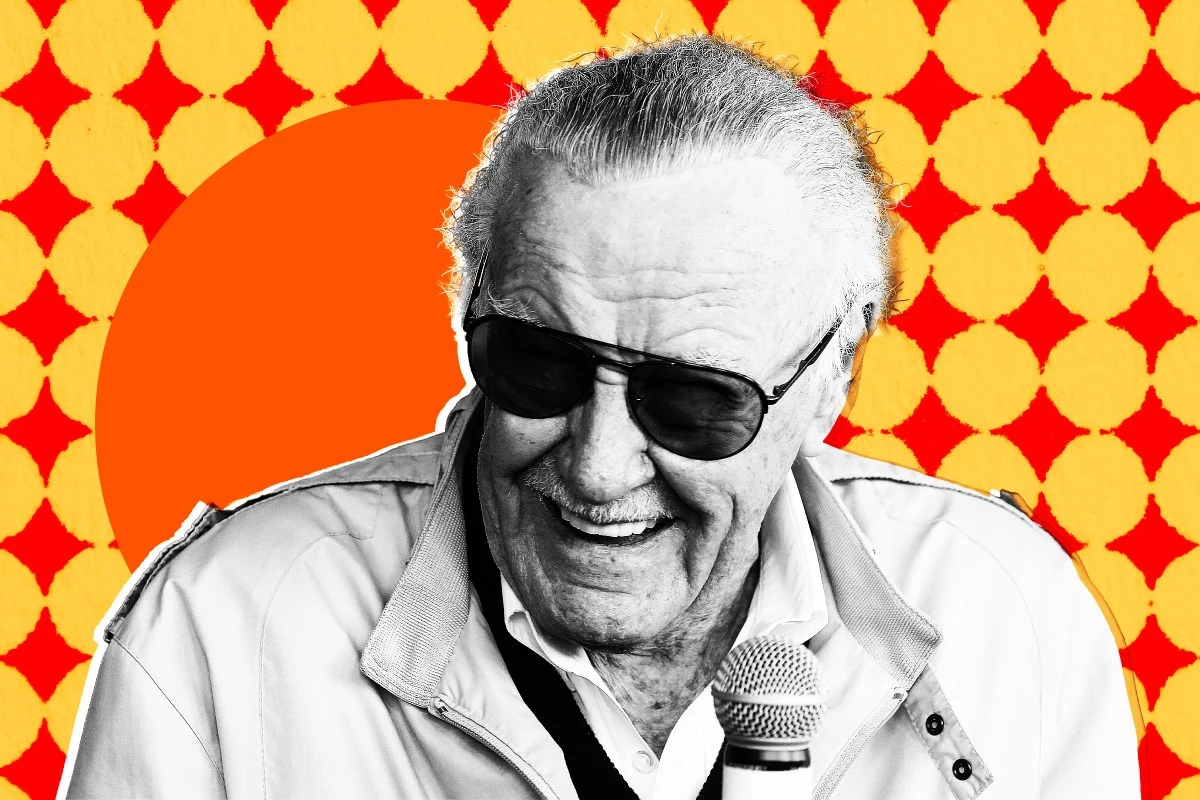
Stan Lee’s estate licensing his voice and likeness to AI voice-synthesis firm ElevenLabs marks a consequential moment for the business of intellectual property (IP). The initiative aims to deploy an AI-generated “Stan Lee” across new media formats—most prominently audiobook hosting via a “Book Club of the Month” concept and appearances in AI-generated comic panels. Early promotional material leans into familiar cultural touchstones, including the cadence and catchphrases that helped make Lee not just a creator, but a recognizable public persona.
Commercially, the move fits a broader pattern: entertainment companies and rights holders are increasingly treating archives—old interviews, convention footage, cameos, and behind-the-scenes recordings—as trainable assets that can be reconstituted into new products. Yet the announcement also lands amid two sensitive fault lines. First are lingering concerns around Lee’s final years and reported elder-abuse allegations—context that heightens public sensitivity to any perceived posthumous exploitation. Second is the expanding ethical debate over “AI necromancy”: the recreation of deceased individuals in ways they did not explicitly authorize while alive.
Supporters, including figures tied to Stan Lee Universe, frame the project as an extension of Lee’s fan-first ethos—an attempt to keep his presence active in the culture he helped shape. Critics counter that even well-intentioned digital resurrection can flatten a complex creative legacy into a monetizable interface, where the “performance” is technically impressive but ethically ambiguous.
The technology behind synthetic likeness: from novelty to near-indistinguishable media
The Stan Lee–ElevenLabs partnership is less about a single celebrity voice and more about a maturing toolchain that is rapidly becoming standardized. Modern deep-learning systems can now produce high-fidelity voice cloning and increasingly convincing visual renderings, especially when trained on abundant archival material. The key shift is qualitative: synthetic output is crossing the threshold where many listeners and viewers may not reliably distinguish it from authentic recordings without disclosure.
Several technological dynamics stand out:
- Model quality and scalability: Large speech models and neural rendering pipelines can generate consistent output across long-form content (like audiobooks), not just short clips.
- Lower barriers to production: What once required bespoke VFX and audio engineering is now accessible through commercial platforms, enabling faster iteration and broader deployment.
- Provenance and “character drift” risk: Without robust governance, a model can be used in ways that are out of tone, out of context, or simply out of character—creating reputational exposure even when the underlying rights are properly licensed.
- Archive value as competitive advantage: Estates and studios with extensive, well-organized recordings possess a strategic moat. The ability to train a convincing model increasingly depends on the depth, quality, and legal clarity of the source material.
This is where the conversation moves beyond fandom and into enterprise risk management. A synthetic persona is not a static asset; it is a generative system capable of producing new speech acts. That makes oversight—creative, legal, and ethical—not optional but foundational.
Monetizing nostalgia at low marginal cost—and reshaping creative labor economics
From a business perspective, AI-generated talent introduces a powerful economic proposition: once a model is trained and approved, the marginal cost of producing additional content drops sharply. That changes the calculus for IP-heavy businesses, particularly those seeking recurring revenue rather than one-time licensing fees.
Potential commercial outcomes include:
- Subscription-style monetization: A monthly audiobook “host” or serialized content format can convert nostalgia into predictable cash flow.
- Always-on marketing: Synthetic cameos can populate social media, promotions, and localization efforts at a fraction of traditional production cost.
- Global scalability: AI voices can be adapted for multilingual distribution, potentially expanding reach—though this raises further questions about authenticity and cultural fit.
At the same time, the model introduces a form of talent disintermediation. If publishers and studios can deploy AI proxies for back-catalog promotions or budget productions, the bargaining power of living performers—particularly voice actors—may erode in certain segments. Conversely, top-tier estates and celebrities who negotiate strong terms could see their digital likeness become a premium licensing instrument, complete with revenue shares, usage constraints, and brand-safe guardrails.
The Stan Lee case is therefore a bellwether for how creative industries may rebalance value between:
- Human performance as labor, and
- Human identity as licensable IP, capable of generating content indefinitely.
Consent, dignity, and the next regulatory frontier for “digital deceased” rights
The most durable question raised by AI-generated Stan Lee is not whether it can be done, but whether it should be done—and under what rules. Living creators can negotiate boundaries: what scripts are acceptable, what endorsements are forbidden, what political or sensitive contexts are off-limits. The deceased cannot. That gap is where reputational risk accumulates, even when contracts are legally sound.
Key governance and policy issues now coming into focus:
- Post-mortem consent frameworks: Did the individual explicitly authorize AI-based reuse of their persona, or is the estate making a best-effort interpretation of intent?
- Moral rights and brand integrity: Even if a use is profitable, it may dilute the cultural meaning of the figure being recreated—especially if output becomes repetitive, gimmicky, or overly commercial.
- Disclosure and audience trust: Transparent labeling of AI-generated voice and imagery may become a baseline expectation, not merely a best practice.
- Regulatory momentum: Jurisdictions in the U.S. and Europe are actively debating digital persona and deepfake rules. Companies moving early may face shifting compliance requirements, particularly around consent documentation and deceptive media standards.
For executives and rights holders, the strategic imperative is clear: AI-generated legacy media is not just a product decision; it is brand stewardship under a microscope. Stan Lee’s cultural stature amplifies the stakes, because the audience is not merely consuming content—they are evaluating whether the custodians of a creative icon are honoring or extracting from his legacy.
What happens next will likely shape industry norms: whether AI resurrection becomes a respected form of archival storytelling with strong safeguards, or a cautionary tale about how quickly technological capability can outrun the social contracts that make cultural legends worth preserving.

 By
By
 By
By

 By
By
 By
By
 By
By
 By
By
 By
By







