
Orbital AI data centers: a bold thesis meets the physics of power, heat, and radiation
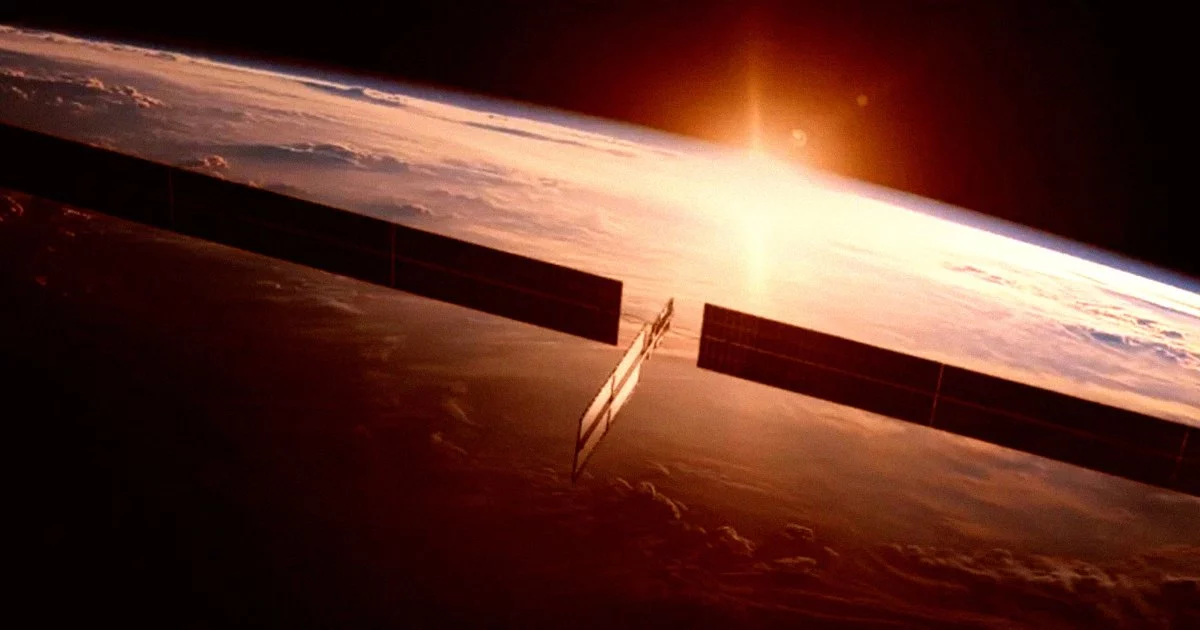
Elon Musk’s proposal to place AI data centers in low Earth orbit (LEO)—powered by near-continuous solar energy and supported by an immense satellite constellation—extends SpaceX’s long-running narrative: move critical infrastructure off-planet to unlock new economic frontiers. The idea is intuitively compelling. Solar irradiance in space is materially higher than on Earth, and orbital platforms avoid many terrestrial constraints such as land acquisition, local permitting battles, and grid congestion.
Yet SpaceX’s own pre-IPO disclosures reportedly frame the concept as early-stage and unproven, underscoring a central reality: orbital compute is not merely “a data center with better sunlight.” It is an integrated aerospace system where energy conversion, compute reliability, thermal rejection, and communications must operate as a single, resilient machine—at scale.
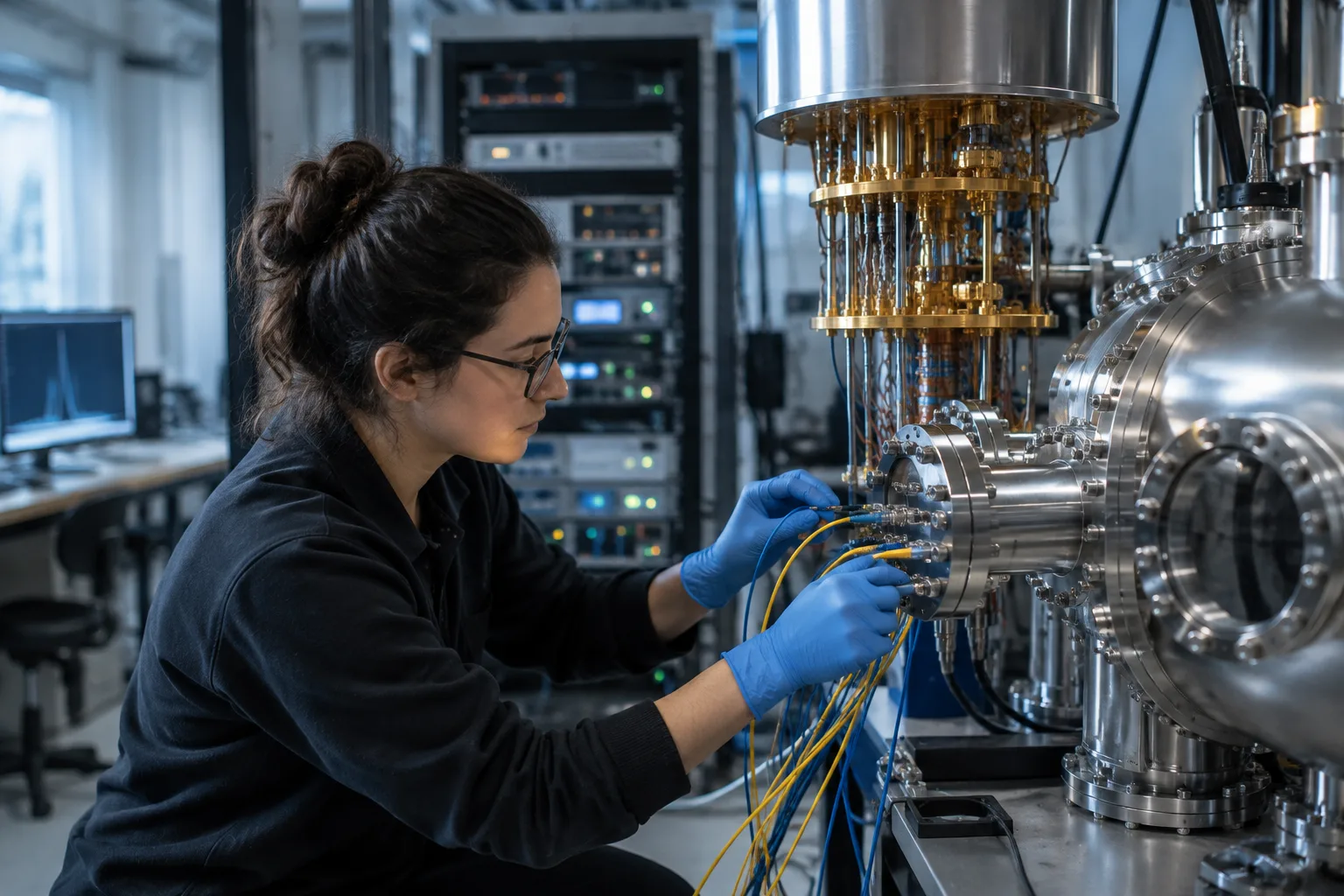
The most unforgiving constraint is not generating power but stabilizing and using it. AI accelerators demand high-density, tightly regulated power delivery, while space hardware must tolerate radiation and extreme thermal cycling. Turning raw solar output into dependable compute requires:
- Radiation-tolerant power electronics and fault management to prevent single-event upsets from cascading into system-wide failures
- High-efficiency conversion and storage capable of smoothing orbital intermittency and load spikes
- Thermal control systems advanced enough to dissipate heat without convection—potentially relying on two-phase heat pipes, large radiators, and variable-emissivity materials
On Earth, heat is a cost line item. In orbit, heat is an existential design problem. The more compute you pack into a platform, the more radiator area you need—driving mass, complexity, and launch cadence.
Starship as the economic hinge—and the risk amplifier
The business case for space-based AI compute rises or falls on launch economics. SpaceX’s Starship is positioned as the enabling lever: a vehicle with 100+ metric tons to LEO that could, in theory, compress per-kilogram costs by an order of magnitude relative to current workhorses. If that promise materializes, it changes the feasibility frontier for large orbital infrastructure—especially if satellites approach “space station-class” scale.
But the same dependency concentrates risk. If Starship’s development timeline slips—or if reusability, engine reliability, and high-rate manufacturing prove harder than projected—the orbital data center concept inherits a compounding set of exposures:
- Capital intensity grows as hardware waits on launch availability
- Return-on-investment timelines stretch, raising financing costs and investor scrutiny
- Technology obsolescence risk increases, as AI chips and interconnects evolve faster than aerospace qualification cycles
This matters acutely in the context of a projected $1.75 trillion valuation. At that altitude, markets tend to demand not just vision but credible unit economics: cost per TFLOP-hour, amortized launch and satellite manufacturing costs, insurance premiums for orbital assets, and the operational burden of maintaining a fleet that may number in the hundreds of thousands—or more.
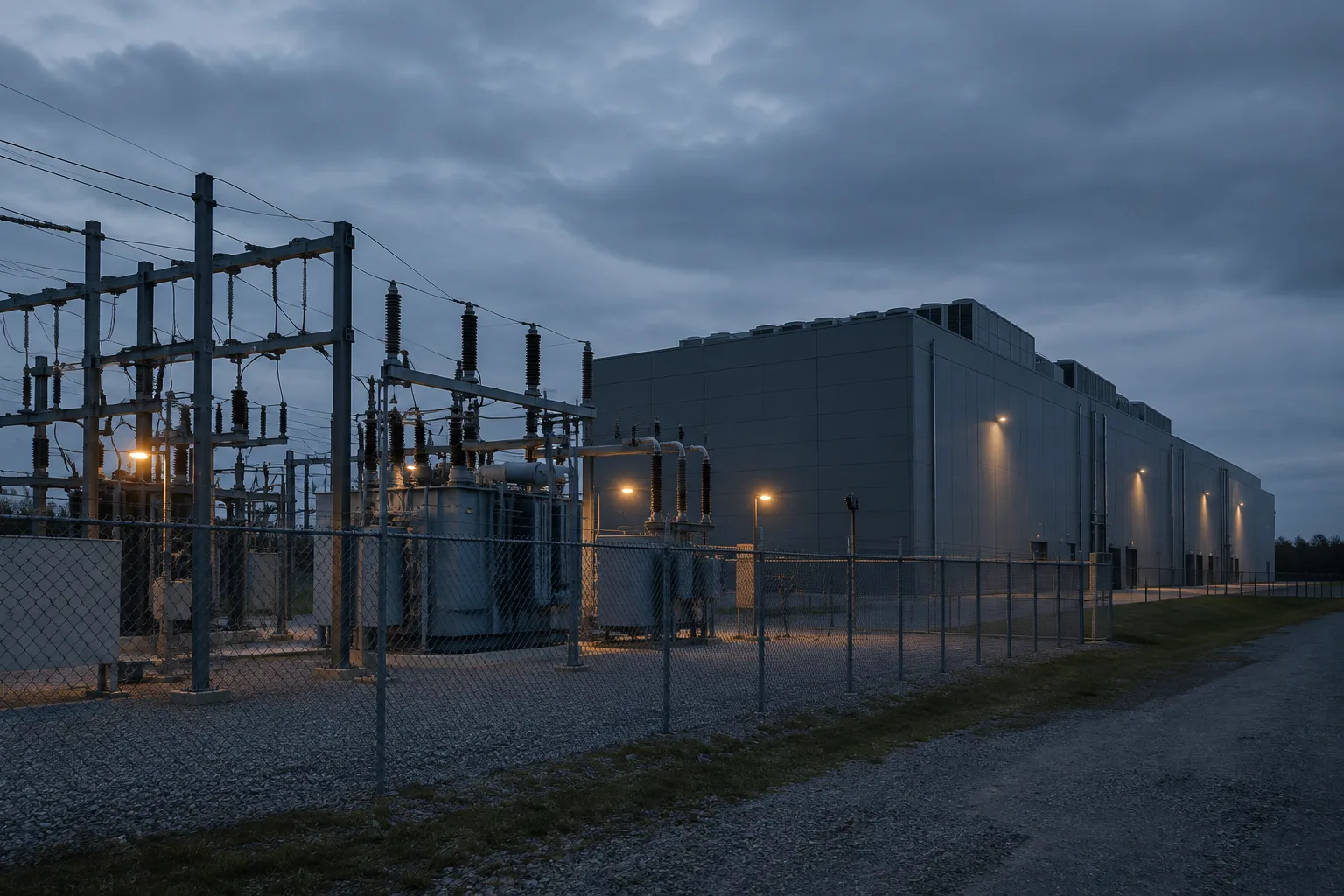
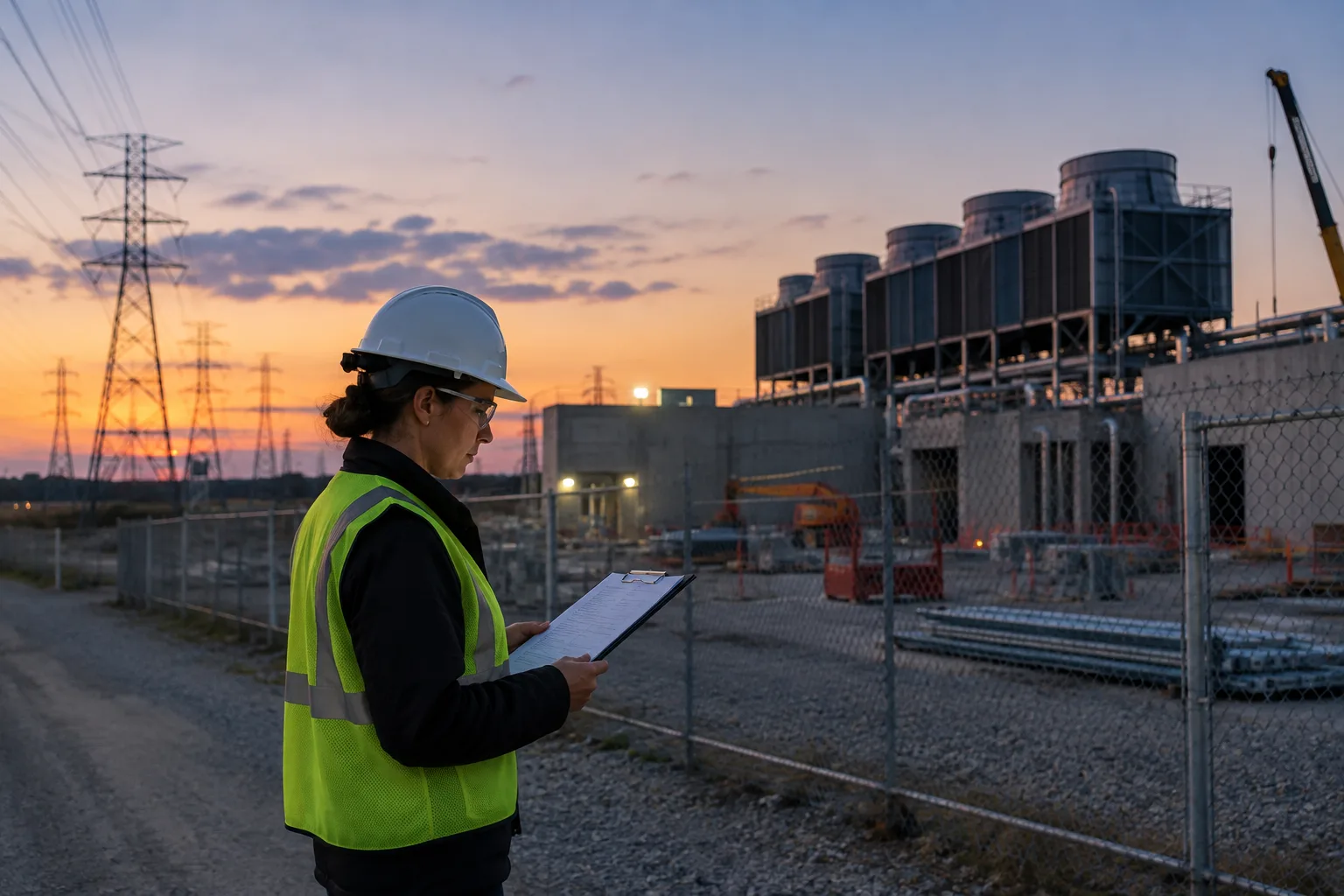
Meanwhile, terrestrial competitors are not standing still. Hyperscalers and colocation giants are pursuing carbon-free power procurement, grid-scale storage, and co-location near renewables. As those pathways mature, the “solar advantage” of orbit must be weighed against the maturity and reliability of Earth-based supply chains, maintenance, and networking.
Modularity and on-orbit servicing: the difference between a fleet and a graveyard
A constellation of massive satellites—especially if each is “ISS-like” in scale—raises a practical question: what happens when something fails? In terrestrial data centers, failed components are swapped routinely. In orbit, a monolithic design can turn a single fault into a stranded asset.
That is why the most commercially meaningful engineering choice may be architectural: modular orbital compute, designed for robotic servicing. A credible roadmap would likely require:
- Swappable compute nodes (accelerators, memory, networking) to keep pace with AI hardware cycles
- Replaceable power and thermal modules to isolate degradation and extend platform life
- Autonomous rendezvous and docking mature enough for routine maintenance, not heroic one-off missions
The emergence of satellite servicing capabilities—such as Northrop Grumman’s Mission Extension Vehicle and a growing ecosystem of on-orbit logistics startups—suggests a potential partnership or acquisition pathway. Still, scaling servicing from occasional missions to industrial cadence is a leap. Without it, orbital compute risks becoming a high-cost, high-debris “deploy and decay” model—untenable commercially and politically.
Regulation, debris, and atmospheric externalities: the hidden balance sheet
The environmental and regulatory dimension is not peripheral; it is foundational. A million-satellite vision would intensify scrutiny from national regulators and international bodies concerned with collision risk, debris proliferation, and spectrum interference. Even if SpaceX can technically deploy such infrastructure, sustaining it requires permission structures that are still evolving.
Key pressure points include:
- Space debris and collision cascades: higher orbital density increases the probability of chain-reaction fragmentation events, drawing attention from NASA, ESA, and UN-affiliated frameworks
- Atmospheric impacts of re-entry: large-scale burn-up of hardware may introduce chemical byproducts into the upper atmosphere, including compounds linked in some research to ozone depletion
- Spectrum and orbital slot governance: the ITU and national agencies must balance new mega-constellations against existing satellite operators and terrestrial 5G/6G services
For SpaceX, proactive governance could become a strategic asset rather than a compliance burden. Transparent environmental impact studies, debris-remediation commitments, and early spectrum coordination may determine whether orbital compute is treated as critical infrastructure—or as an unacceptable externality.
What emerges from the disclosures is not a retreat from ambition but a tacit admission that this is a multi-milestone bet: Starship must mature, orbital power-and-thermal systems must industrialize, servicing must become routine, and regulators must accept a new class of space-based infrastructure. If SpaceX can align those vectors, orbital AI data centers could evolve from provocative concept to a new layer of the global compute stack—one that forces cloud economics, sustainability strategies, and space governance to converge in real time.

 By
By
 By
By
 By
By

 By
By
 By
By

 By
By