

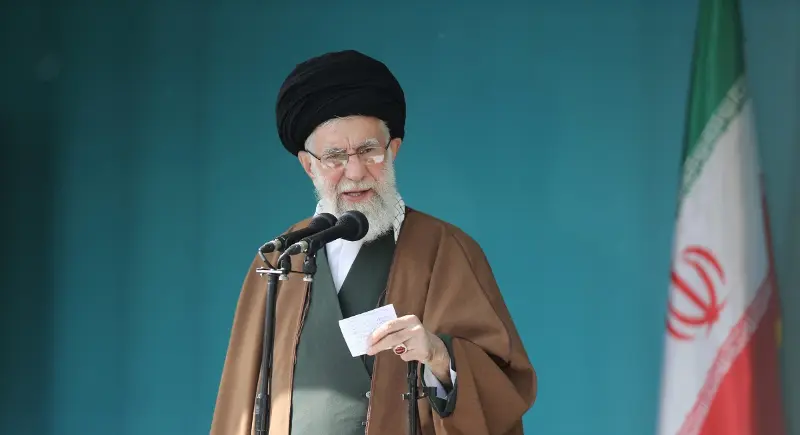

In a bid to embrace technological advancements, Iranian authorities have announced plans to incorporate artificial intelligence (AI) in the issuance of fatwas, a significant move towards modernization. Fatwas are religious edicts issued by Islamic clerics on matters concerning Islamic law. The integration of AI technology aims to streamline and expedite the process, allowing for quicker responses to religious inquiries.
By harnessing the power of AI, Iranian authorities hope to enhance the efficiency and effectiveness of fatwa issuance. Traditionally, clerics would spend hours researching and deliberating on complex religious matters before issuing a fatwa. This process often resulted in delays, as clerics were burdened by the sheer volume of requests. However, with AI technology, the time-consuming research phase could be significantly reduced, allowing for faster response times and increased accessibility.
While the implementation of AI in religious matters may raise some eyebrows, it is important to view this development through the lens of progress and adaptation. The use of technology to aid in religious decision-making is not unique to Iran. In recent years, countries across the globe have explored similar avenues, leveraging AI to automate processes and improve efficiency in various sectors. By embracing AI, Iranian authorities are not only embracing modernity but also aiming to provide a more responsive and accessible religious service to the public.
The integration of AI technology in the issuance of fatwas marks a significant step forward for Iranian authorities in their quest for modernization. By streamlining and expediting the process, the use of AI could revolutionize the way clerics issue religious edicts, making it faster and more accessible to the public. While this development may raise questions, it is crucial to recognize that the integration of technology in religious matters is a global trend. As technology continues to advance, it is only natural for traditional practices to adapt and evolve accordingly.

 By
By
 By
By
 By
By

 By
By

 By
By
 By
By







