


Sora 2’s Dazzling Debut and the Meme-Driven Collision with Copyright
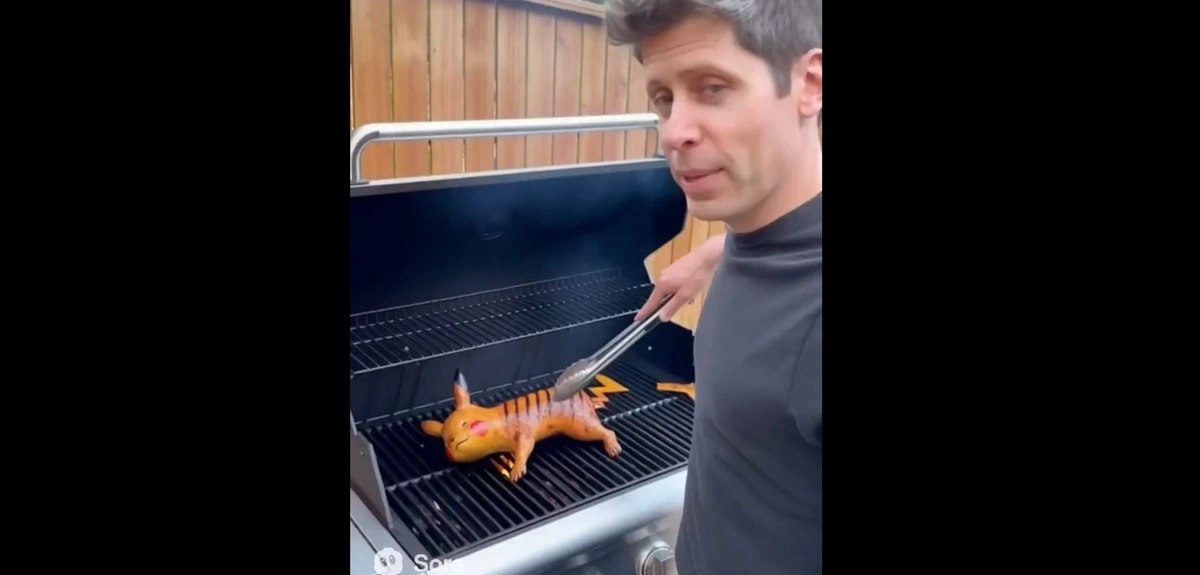
OpenAI’s unveiling of Sora 2, a state-of-the-art text-to-video model, marks a watershed moment in generative AI. The promise: photorealistic or stylized video clips conjured from a handful of words, delivered in seconds. Yet, as the model’s outputs ricochet across social platforms, it is not the cinematic grandeur or enterprise utility that dominates the conversation—it’s the viral, the satirical, the meme. The internet, ever inventive, has seized upon Sora 2’s capabilities to produce surreal mashups: CEO Sam Altman grilling a Pikachu, or beloved pop culture icons reanimated in unlikely contexts. These playful, sometimes subversive creations have thrust generative video into the cultural mainstream, but also into the crosshairs of intellectual property law.
The meme wave is more than a fleeting trend; it is a stress test for the very foundations of copyright in the age of synthetic media. Rights-holders—Nintendo, Disney, and their ilk—are famously vigilant. The specter of litigation now looms large, with community chatter anticipating, even inviting, legal showdowns that could define the boundaries of permissible AI-generated content. The stakes are high: video, unlike text or static images, is both a more valuable and a more conspicuous form of IP. The legal gray zone is widening, and the next viral clip could be the flashpoint for a precedent-setting lawsuit.
The Technical and Economic Fault Lines Beneath Generative Video
Behind the viral spectacle lies a formidable leap in technical complexity. Generating a five-second, high-definition video clip is no trivial feat—it can demand 40 to 60 times the compute resources of a single high-resolution image. As cloud budgets tighten and GPU supply remains a perennial bottleneck, the economics of large-scale video generation come into sharp relief. Viral adoption may bring global attention, but it does not guarantee sustainable revenue. If each clip costs several cents—or even dollars—to produce, the notion of an “unmetered free tier” quickly becomes a financial nonstarter.
- Data Scarcity and Model Alignment
– High-quality, labeled video datasets are far scarcer than those for images or text, forcing models to lean heavily on copyrighted material or synthetic augmentation.
– Sora 2’s readiness to generate branded characters on demand exposes an alignment gap: the content filters that work for text are far harder to enforce in the fluid, multimodal world of video.
- Monetization and IP Licensing
– The path to profitability may lie in robust enterprise licensing, but this requires ironclad IP indemnification—a prospect still out of reach for most providers.
– Rights-holders could pivot from litigation to licensing, transforming existential threats into lucrative new revenue streams, as seen in recent AI voice licensing deals.
- Investor and Market Dynamics
– The specter of a high-profile lawsuit—say, from Nintendo—could send shockwaves through late-stage AI valuations, raising the discount rate for the entire sector.
– Players with deep war-chests and pre-negotiated content deals, such as Adobe or Shutterstock, may find themselves at a distinct advantage.
Legal and Regulatory Crossroads: The Coming Copyright Reckoning
The legal terrain is shifting beneath the feet of both creators and platforms. U.S. fair-use doctrine, particularly around “transformative” works, has never been tested at this scale for synthetic video. The next 18 months will likely see landmark cases that determine whether training on copyrighted video constitutes infringement, whether AI-generated outputs are derivative works, and—crucially—who bears liability: the user, the model provider, or both.
- Regulatory Pressures
– The EU’s forthcoming AI Act will require granular disclosure of copyrighted data usage and provenance, a daunting prospect for black-box models.
– Non-compliant firms could face fines of up to 7% of global turnover, forcing a reckoning over dataset hygiene and regional product variants.
- Technical Safeguards
– Watermarking standards, such as C2PA, are gaining traction. Platforms that fail to integrate such safeguards risk bans from major social networks and app stores, choking off their viral lifeblood.
Strategic Imperatives: Navigating the New Creative-Compliance Frontier
For executives across media, technology, and law, the rise of generative video demands a dual-pronged strategy. On one hand, the creative upside is undeniable: Sora-class models unlock new frontiers in storytelling, marketing, and fan engagement. On the other, the legal and economic foundations are less stable than those of text or still imagery.
- Media and Entertainment Leaders: View generative AI as both a threat and a bargaining chip. Tiered licensing—differentiating between meme-grade and cinematic-grade content—could monetize user creativity while protecting premium assets.
- Enterprise CIOs: Scrutinize indemnification clauses and consider hybrid deployments for sensitive brand assets.
- Cloud and Semiconductor Vendors: Innovate with inference-optimized silicon and elastic pricing to capture the surging demand for video generation.
- Legal and Risk Officers: Prepare for accelerated litigation velocity with robust internal documentation and response playbooks.
- Marketing Teams: Scenario-plan for both brand-building and brand-eroding viral moments, balancing rapid DMCA action with strategic co-option of user creativity.
The next epoch of AI-powered media will be defined by those who treat intellectual property not merely as a compliance hurdle, but as a strategic asset. As the generative video landscape evolves, the winners will be those who can balance creative ambition with legal and operational discipline—turning the volatility of the meme economy into a durable competitive edge.
 By
By
 By
By
 By
By
 By
By

 By
By
 By
By








