
Industrial Design as Strategic Leverage in the Headphone Arena
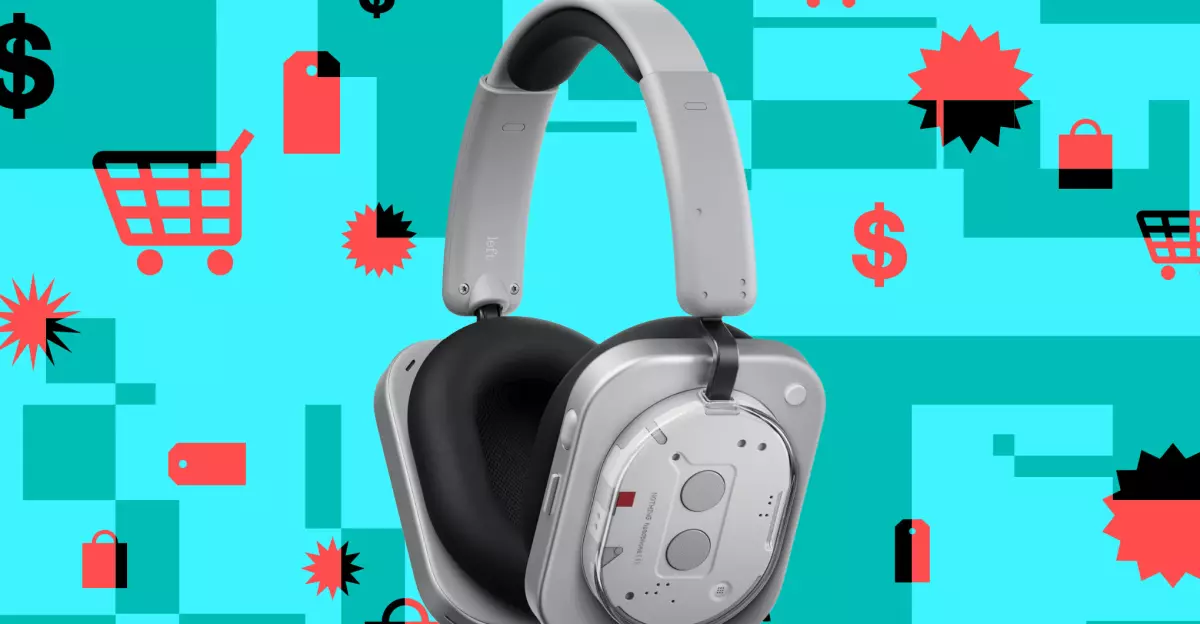
In the saturated world of premium audio hardware, Nothing’s Headphone 1 emerges as a study in deliberate differentiation. Priced at a newly reduced USD 269, this device embodies more than just a technical spec sheet—it is a statement of intent from a 2021 upstart intent on disrupting the mid-premium segment long dominated by Sony, Bose, and Apple. The transparent chassis is not mere aesthetic flourish; it is a calculated moat, a visual language that signals authenticity and craftsmanship to a generation fluent in the semiotics of exposed circuitry. In an era when most competitors shroud their hardware in anonymous plastics, Nothing’s industrial design becomes both a brand signature and a viral marketing engine, resonating with Gen-Z’s penchant for visible tech and social media storytelling.
The Headphone 1’s tactile innovations—most notably, its hybrid scroll-wheel and paddle interface—mark a subtle but significant evolution in user experience. As active noise cancellation and codec support reach a state of near-parity across the industry, these “micro-UX” features become the new battleground. The nuanced feedback of a mechanical scroll, the precision of capacitive touch, and the satisfaction of haptic response collectively elevate the device beyond mere commodity. This is design as differentiation, where every interaction is an opportunity to reinforce brand identity and user loyalty.
Feature Innovation Meets Economic Realism
Nothing’s feature set is unapologetically ambitious: platform-agnostic spatial audio with head tracking, multi-function haptics, and a battery architecture that delivers multi-day endurance. The spatial audio implementation, in particular, is notable for its inclusivity—eschewing the ecosystem lock-in that characterizes Apple’s approach, and instead courting a broader market that spans Android users, gamers, and streaming enthusiasts. This open-standards philosophy positions the brand for cross-platform partnerships, from Dolby Atmos tie-ins to potential OEM bundles.
Yet, the technological bravado is tempered by a keen awareness of market realities. The USD 30 discount positions Headphone 1 in the “attainable luxury” band, a price point historically proven to drive volume without undermining brand equity. This move is not about inventory liquidation; it is a surgical maneuver to stimulate demand in a market segment where price elasticity is real but brand aspiration remains paramount. Simultaneously, softened input costs for lithium-ion cells and audio drivers allow Nothing to preserve margins while passing value to consumers—a deft response to both inflationary pressures and shifting consumer sentiment.
This pattern is echoed across the hardware landscape. Insta360’s Link 2 webcam, Garmin’s Forerunner 970 multisport watch, and Anker’s 200 W Prime charger each bundle incremental innovation with targeted discounts. Collectively, these moves signal a broader industry pivot: hardware specialists are opting for feature-rich, story-driven hero SKUs, leveraging selective promotions rather than resorting to across-the-board markdowns. The message is clear—innovation and narrative, not price alone, will define the next cycle of consumer hardware.
Navigating the New Rules of Hardware Differentiation
For hardware vendors, the implications are profound:
- Experiential Differentiation: The window for feature-led advantage is narrowing. Success now accrues to those who invest in experiential nuances—industrial design, haptic ergonomics, and seamless cross-device orchestration.
- Manufacturing Discipline: Transparent materials, while visually arresting, introduce new quality-control challenges. Vendors must recalibrate manufacturing tolerances and supplier KPIs to maintain the integrity of exposed components.
- Component Opportunity: The proliferation of spatial audio in open ecosystems expands the total addressable market for MEMS sensors and low-latency Bluetooth chipsets. Suppliers can win by offering SDKs that simplify integration for mid-tier OEMs.
- Retail Strategy: Channel partners should pivot toward curated assortments, spotlighting a select cadre of feature-dense devices with rich narrative arcs—design, sustainability, professional-grade performance—rather than diluting attention across sprawling catalogues.
Emerging Signals and the Road Ahead
The strategic choreography unfolding across the sector points to several emergent trends:
- Design-Driven Collaborations: Expect a surge in “tech as fashion” partnerships—limited-edition colorways, co-branded accessories, and social commerce activations—building on the viral momentum of design-centric hardware.
- Spatial Audio Democratization: Head-tracking and immersive audio are poised to cascade into sub-USD 200 categories within the next 12-18 months. Early movers should lock in sensor supply and codec licensing now to secure cost advantages.
- Ecosystem Bundling: The rumored convergence of smartphone, audio, and wearable offerings hints at ambitions to replicate the Apple halo effect—minus the walled garden. Watch for cross-promotion and firmware integrations that deepen ecosystem stickiness.
- Power Infrastructure Upsell: Anker’s 200 W GaN charger reflects the escalating arms race around fast-charging standards, with enterprises eyeing these solutions as cost-effective infrastructure for multi-device workforces.
Ultimately, Nothing’s calculated price adjustment is less a clearance event than a strategic inflection point—a bid to scale volume while its design-centric narrative is still fresh in the cultural imagination. For decision-makers across the hardware value chain, the lesson is unmistakable: prioritize experiential innovation, cultivate cross-industry alliances, and manage supply chain risk with the same rigor as product development. Those who read these signals astutely will be best positioned to shape the next chapter of differentiated, value-sensitive consumer technology.

 By
By
 By
By
 By
By

 By
By


 By
By