


A New Dawn for Satellite Longevity: The Swift Observatory Rescue
When NASA authorized a $30 million “rescue” mission for the Neil Gehrels Swift Observatory, it marked more than a technical intervention—it signaled a paradigm shift in how humanity stewards its orbital assets. Once a symbol of throwaway infrastructure, the Swift telescope, whose altitude has quietly slipped from 373 miles to just 249, now stands at the threshold of a decade-long renaissance. The mission’s anatomy—a commercial robotic tug, air-launched on a Northrop Grumman Pegasus XL, autonomously docking and re-boosting a government satellite—heralds the arrival of routine, crewless satellite life extension.
Engineering the Impossible: Robotic Servicing and Air-Launch Synergy
This operation is a symphony of advanced technologies, each note resonating with implications for the future of space operations:
- Dexterous Robotic Capture: Katalyst Space Technologies’ servicing vehicle will clamp onto Swift using three articulated arms, a feat that bypasses the need for legacy grapple fixtures. With 70 percent of satellites in orbit never designed for servicing, this approach unlocks a new era of “unplanned maintainability.”
- Autonomous Rendezvous & Proximity Operations: The mission’s guidance, navigation, and control (GN&C) algorithms will build invaluable flight heritage for future NASA and DARPA efforts—paving the way for debris removal and more advanced on-orbit servicing.
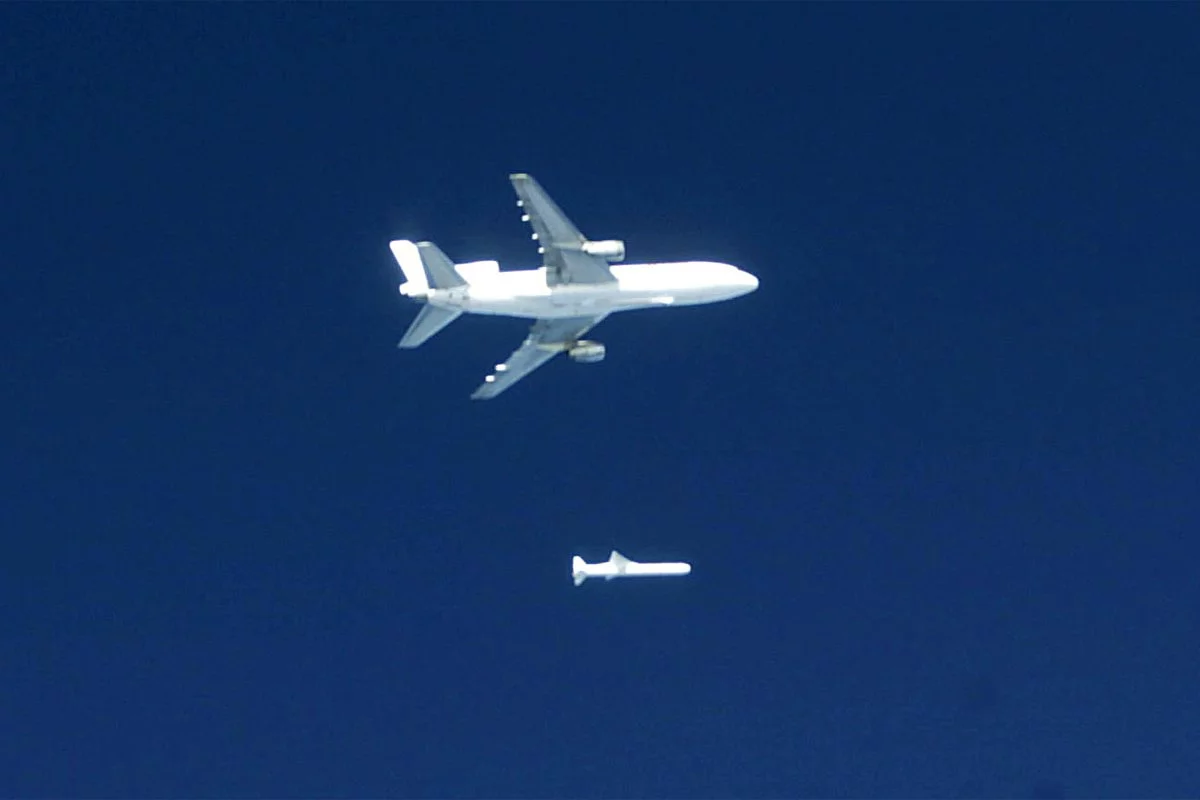
- Pegasus Air-Launch Revival: By leveraging the L-1011 Stargazer’s unique air-launch capabilities, the mission sidesteps congested launch ranges and validates a niche economic model for time-sensitive, moderate-mass payloads.
- Propulsion-Agnostic Life Extension: The robotic tug acts as an external propulsion module, decoupling satellite lifespan from onboard fuel—a transformative concept reminiscent of “power-by-the-hour” in aviation.
These advances are not merely incremental. They represent a modular, flexible approach to space infrastructure, reducing reliance on monolithic, single-use satellites.
Economic Reverberations: Cost, Capital, and Competitive Realignment
The business case for satellite life extension is now impossible to ignore. At just 6 percent of Swift’s original $500 million development cost, the rescue mission sets a new benchmark for return on investment. Satellite operators and CFOs will be compelled to reconsider depreciation schedules and asset management strategies, especially as interest rates rise and capital expenditures become more scrutinized.
Key economic implications include:
- Insurance Market Realignment: Successful robotic servicing could prompt a recalibration of in-orbit failure premiums, making it more financially viable to insure aging assets—particularly in the lucrative GEO communications sector.
- Industrial Base Diversification: The collaboration between a venture-backed SME and a defense prime exemplifies a shift from vertically integrated giants to a modular, ecosystem-driven industry structure.
- Export Control and Regulatory Evolution: As robotic arms and RPO software straddle the boundaries of ITAR and CFIUS oversight, regulatory frameworks will need to adapt to the commercial proliferation of these dual-use technologies.
The mission also signals a migration of venture capital from launch vehicles toward “picks-and-shovels” infrastructure—refueling, debris mitigation, and in-situ manufacturing—reinforcing the thesis that the future of space is as much about maintenance as it is about exploration.
Strategic Horizons: Sustainability, Security, and Standardization
The Swift rescue is a harbinger of broader industry trends and strategic imperatives:
- Space Sustainability as Mandate: With the exponential growth of LEO traffic from Starlink, Gen-Kuiper, and others, regulatory bodies are poised to incentivize or mandate end-of-life disposal and serviceability standards, echoing aviation’s maintenance regimes.
- National Security Resonance: The dual-use nature of RPO technologies makes them strategically significant, blurring lines between commercial life extension and military “inspector” satellites.
- Standardization and M&A Dynamics: There is an emerging opportunity for industry consortia to establish a “Serviceable Bus Interface”—a universal standard to facilitate future servicing and unlock economies of scale. Meanwhile, primes are likely to scout for minority stakes or acquisitions in OOS startups, seeking to bundle life-extension with manufacturing portfolios.
- Workforce and Supply Chain Resilience: Reviving Pegasus and Stargazer operations sustains critical expertise and supplier networks, providing stability amid industry consolidation.
For executives, the message is clear: the era of expendable satellites is ending. Portfolio strategies must now weigh service contracts against capital-heavy replacements, while proactive engagement with regulators will shape the liability and sustainability norms of tomorrow’s orbital economy. ESG-conscious investors, too, will find new value in life-extension metrics as part of broader sustainability narratives.
Swift’s impending rescue is not just a technical marvel—it is a commercial and strategic inflection point. Those who grasp its implications today will define the contours of a maintainable, resilient, and economically vibrant space infrastructure for decades to come.

 By
By
 By
By

 By
By
 By
By

 By
By
 By
By







