


A private Mother’s Day story that signals a broader market shift in how we mourn
The narrative at hand begins in familiar territory: Mother’s Day as a family-centered ritual, marked by togetherness, attention, and the social choreography of celebration. Over time, that outward-facing tradition evolves into something more modern and quietly telling—Mother’s Day as self-care, a pause from the relentless operational demands of parenting. Then, in 2019, the story fractures with the death of a son, and the holiday becomes a trigger: a date that concentrates grief, guilt, and avoidance into a single annual moment.
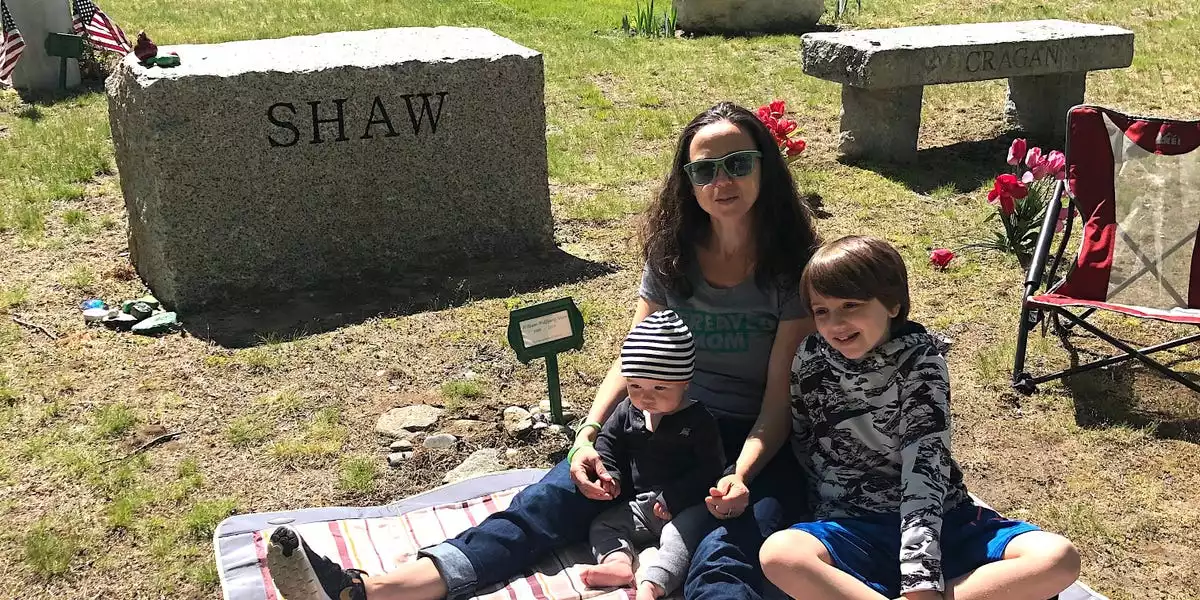
What makes this account newsworthy beyond its emotional gravity is how it maps onto a wider economic and cultural transition: bereavement is increasingly treated not as a single event, but as an ongoing lifecycle—with recurring rituals, recurring needs, and recurring spending. The mother’s eventual re-entry into Mother’s Day is not a return to the old format; it is a reinvention. By relocating the center of gravity to her son’s gravesite—bringing food, games, children, stories, and presence—she reframes remembrance as lived experience rather than static observance.
That shift mirrors a growing consumer preference across industries: people pay for meaning, personalization, and connection, especially when conventional scripts fail. In this case, the “product” is not a service purchased in a moment of crisis, but a repeatable, intergenerational ritual that blends love and loss without forcing either to disappear.
Cemeteries as “memory parks”: the experiential economy reaches memorialization
Perhaps the most striking development is the transformation of a cemetery—traditionally designed for solemnity—into a kind of family “third place.” The gravesite becomes a gathering node where children play, adults talk, and the deceased remains socially present through storytelling. This is not escapism; it is experience-driven mourning, a model that aligns with how the experiential economy has reshaped travel, dining, and entertainment.
For the memorialization sector—cemeteries, funeral homes, memorial parks, and adjacent hospitality providers—this points to a strategic opportunity: designing spaces and services that support recurring, communal remembrance rather than one-time transactions. The demand signal is subtle but powerful: families may want environments that can hold both reverence and vitality.
Commercially, this could translate into offerings that respect grief while acknowledging how people actually behave when they are trying to endure it:
- Flexible gathering infrastructure (shaded seating, picnic-friendly layouts, weather accommodations, accessible paths)
- Event-enabled memorial packages for anniversaries, Mother’s Day, birthdays, and cultural remembrance dates
- On-site partnerships for catering, florals, photography, and family-friendly amenities
- Storytelling and legacy facilitation—from guided remembrance events to curated “memory walks”
Importantly, the opportunity is not to “festivalize” mourning, but to recognize that ritual is a repeat customer journey. The family’s practice—returning, gathering, narrating—resembles membership behavior more than a single purchase. Operators who understand that dynamic can build trust-based, long-term relationships while modernizing a sector often perceived as rigid or purely transactional.
Grief tech and digital legacy: from private memories to interoperable platforms
The story’s emphasis on photos, stories, and keeping a child’s presence alive also highlights the accelerating relevance of digital legacy and grief tech. Consumers increasingly maintain relationships with the deceased through digital artifacts—messages, albums, voice notes, social media histories—and they want tools that make those artifacts usable in healthy, structured ways.
This is where technology providers are moving from novelty to infrastructure. The market already includes experiments in AI-mediated remembrance (such as chat interfaces trained on a loved one’s messages), virtual memorial spaces, and digital vaults for estate and legacy content. The narrative suggests a more grounded, high-demand direction: hybrid commemoration systems that connect physical rituals (like graveside gatherings) with digital continuity (shared albums, collaborative storytelling, remote participation).
High-retrievability product concepts emerge naturally from the family’s behavior:
- Shared family memory hubs that allow multi-author stories, photos, and timelines tied to key dates
- Hybrid event toolkits for on-site/remote remembrance (livestream options, guestbooks, audio story capture)
- Interoperable digital legacy vaults connecting legal-tech (wills, permissions), health systems, and social platforms via APIs
- Ethical AI features focused on curation and reflection—summarizing memories, prompting stories—rather than simulating identity in ways families may not want
The strategic differentiator will be trust: privacy controls, consent frameworks, and clear governance over who can access, edit, or monetize legacy content. In grief, brand damage is swift; credibility is the moat.
The wellness economy meets bereavement—and employers are being pulled into the equation
The mother’s arc—from celebration, to self-care, to avoidance, to reinvention—tracks closely with a broader convergence: bereavement support is becoming part of the wellness economy, not merely a clinical mental health category. Consumers increasingly seek holistic scaffolding: counseling, peer communities, mindfulness, and structured rituals that make grief survivable in daily life.
This convergence has implications well beyond consumer apps. As workplaces expand mental health benefits and revisit bereavement leave, employers are being pushed—by culture, retention pressures, and plain human necessity—toward more complete support models. Forward-leaning HR leaders may increasingly evaluate:
- Specialized grief counseling access (including bereaved-parent expertise)
- Peer support communities as a benefit, not an informal afterthought
- Manager enablement tools for handling loss with competence and consistency
- Partnerships with grief-tech providers that integrate scheduling, leave management, and care navigation
Demographically, the direction of travel is clear. Aging populations increase the frequency of loss events, while younger generations often reject one-size-fits-all formality in favor of personalized, emotionally honest rituals. The result is a market that rewards providers who can offer both structure and flexibility—services that do not dictate how grief should look, but support how it actually unfolds.
The deeper signal in this story is not that grief is becoming commercial; it is that grief is becoming designed—through spaces, platforms, and rituals that help families keep love intact while life continues. Organizations that can serve that reality with dignity, interoperability, and restraint will shape the next era of memorialization, where remembrance is not a single day of obligation but a living practice that families return to, year after year.

 By
By
 By
By
 By
By
 By
By
 By
By


 By
By







