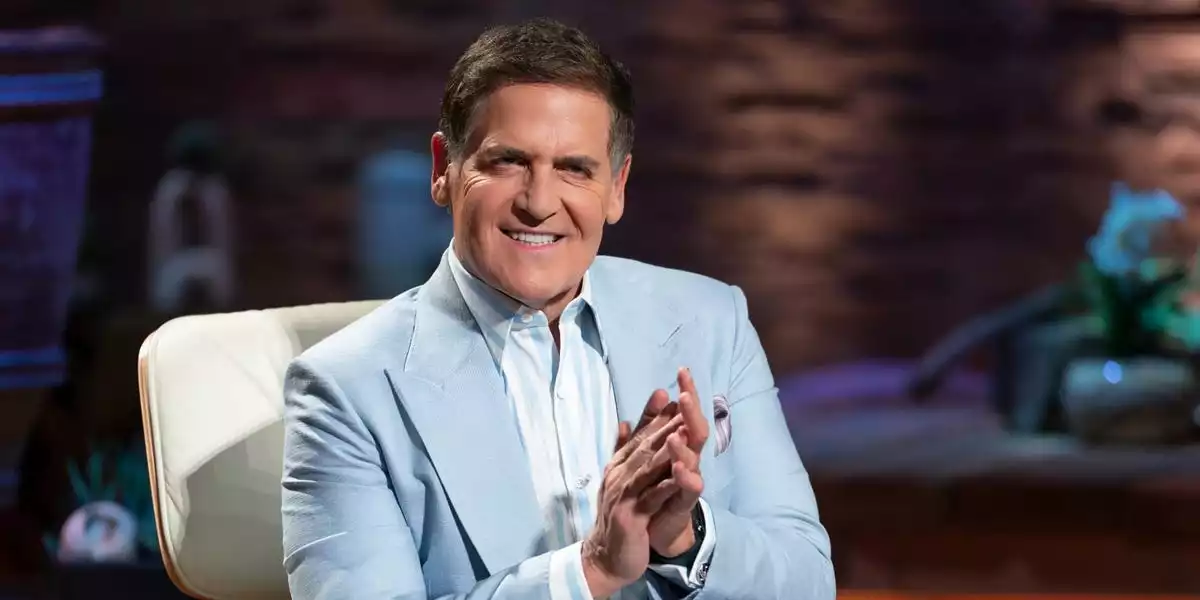

Mark Cuban, Sora, and the Dawn of AI-Generated Celebrity Endorsements
In a move that feels both inevitable and audacious, Mark Cuban has thrown open the gates to his digital likeness, authorizing OpenAI’s Sora platform to let users create short, AI-generated “deep-fake” videos featuring him as the protagonist. The results—viral, meme-worthy clips that double as guerrilla ads for his low-cost pharmacy, Cost Plus Drugs—have catapulted Cuban to the top of Sora’s engagement charts and ignited a debate that stretches from Madison Avenue to Capitol Hill. This experiment is not just a quirky footnote in the annals of generative AI; it is a harbinger of a new era where the boundaries between entertainment, advertising, and identity are being redrawn in real time.
Generative Video: From Studio Bottleneck to Viral Playground
Sora’s technology is, at its core, a democratizing force. What once required a battalion of producers, studios, and editors now unfolds in minutes, driven by nothing more than a prompt. The frictionless creation cycle is turbocharging virality—clips featuring Cuban’s AI avatar riffing on everything from prescription pricing to pop culture are spreading across X (formerly Twitter) and beyond, their reach amplified by the platform’s seamless integration of brand messaging.
Key technological innovations include:
- Prompt-driven video creation: Eliminates traditional production constraints, enabling near-instantaneous iteration and distribution.
- Opt-in likeness licensing: Sora’s “permission architecture” lets celebrities pre-authorize use of their image, creating a transparent, consent-based system that could become the industry benchmark.
- Embedded brand rails: By weaving Cost Plus Drugs directly into the generative prompt, Cuban has transformed user-generated content into programmatic ad inventory—hinting at a future where brands are native to the medium, not tacked on after the fact.
OpenAI’s leadership, including Sam Altman and Bill Peebles, have been quick to frame this as a seismic shift: a glimpse into how AI-native video could upend not only entertainment, but the very mechanics of advertising.
The Economics of Synthetic Endorsement
The commercial implications are profound. Generative video collapses the marginal cost of creative production to near zero, threatening to siphon billions from traditional agency budgets and redirect them toward AI infrastructure and cloud GPU spend. For brands, the calculus is simple: iterate faster, test more, spend less.
Emerging economic dynamics:
- Marketplace for digital likenesses: If even mid-tier personalities license their face for a fee per render, a new micro-economy emerges—akin to stock photography, but for dynamic, AI-generated avatars. Early projections suggest a $2–3 billion market by 2027.
- Pharma advertising disruption: U.S. direct-to-consumer pharma ads, a $7 billion sector, are bound by strict regulatory frameworks. AI-generated spots raise novel compliance questions—how to disclose side effects in a meme?—but also promise unprecedented precision in targeting and rapid A/B testing.
- Agency reinvention: While holding-company agencies may lose lower-funnel video work, a pivot to “prompt engineering as a service” is already underway. The future agency may be less about production and more about curation, compliance, and brand safety in an AI-saturated media landscape.
Navigating Rights, Regulation, and Trust in the Synthetic Era
As platforms like Sora race to secure celebrity permissions, a new form of digital moat is emerging: rights-cleared face libraries. Much as Spotify’s exclusive podcast deals locked in talent, so too will AI platforms vie for the most valuable digital likenesses. Competing offerings from TikTok and Meta will need to match Sora’s consent frameworks or risk legal and reputational fallout.
Strategic and societal considerations:
- Union vigilance: SAG-AFTRA’s recent contract limits unlicensed digital replicas, but Cuban’s opt-in model could become the new template—assuming residuals and rerun rights are fairly negotiated.
- Authenticity and consumer trust: Early surveys reveal skepticism; 58% of U.S. adults see AI-generated celebrity ads as “potentially misleading.” Transparency—through labeling and robust permission ledgers—will be the price of admission.
- Regulatory horizon: The U.S. Senate’s deepfake working group and the FDA’s forthcoming guidance on AI-enabled promotions signal a coming wave of oversight. Brands and platforms that build compliance into their DNA will be best positioned to thrive.
The Next Frontier: Where Synthetic Reach Meets Authentic Credibility
Cuban’s Sora experiment is more than a viral stunt; it is a blueprint for the future of marketing and media. The winners in this new landscape will be those who master the art of rights management, move at the speed of AI, and—crucially—pair synthetic reach with authentic credibility. As generative video collapses the distance between creator and consumer, the scarcity shifts from content itself to trust and context. In this emerging order, the most valuable asset may not be the face on the screen, but the permission—and authenticity—behind it.

 By
By
 By
By

 By
By
 By
By

 By
By
 By
By