


Dbrand’s Killswitch 2 and the rise of “functional skins” for Nintendo Switch 2
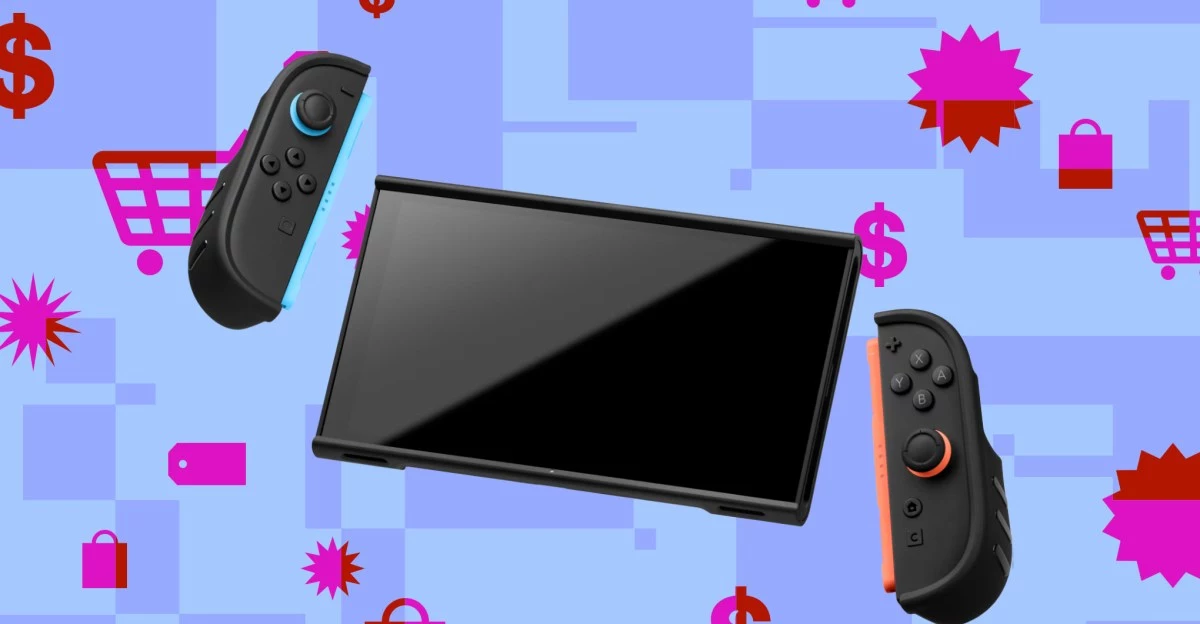
Dbrand’s launch of the Killswitch 2 accessory suite for Nintendo Switch 2 is a telling marker of how the console aftermarket is evolving: away from purely aesthetic customization and toward modular, performance-oriented hardware add-ons that change how a device is used day to day. Priced at $69.99 via Dbrand (and $71.99 at Best Buy), the Killswitch 2 positions itself not as a commodity case, but as a precision-fit system designed to support seamless transitions between handheld play and docked output.
At the product level, the differentiators are practical and deliberately engineered:
- Precision snap-on housing that aims for OEM-like tolerances and a rigid, protective fit
- Ergonomic Joy-Con covers that target comfort and grip stability during longer sessions
- USB-C dock adapter that supports video-out workflows without relying on a bulkier dock footprint
- An optional Travel bundle that adds a protective cover, bungee-strap game-cartridge holder, and stick grips for extended play
What stands out is the implicit bet Dbrand is making: that Switch 2 owners will pay a premium for accessories that reduce friction—fewer parts to buy, fewer compromises between protection and usability, and fewer steps to move between play modes. This is the logic of “functional skins,” where the accessory is no longer a passive layer but a hardware interface upgrade.
Modular design, USB-C video-out, and why third-party docking is becoming credible
The Killswitch 2’s design language reflects a broader maturation in consumer hardware accessories: modularity, tight tolerances, and integrated utility. The emphasis on a snap-on frame and slip-on controller shells signals confidence in manufacturing consistency—especially in injection-molded polymers where small deviations can undermine fit, feel, and perceived quality.
The inclusion of a USB-C dock adapter is strategically important because it aligns with a wider industry reality: USB-C Alt Mode HDMI and related standards have made third-party video-out solutions more viable, even as platform holders historically prefer tightly controlled docking ecosystems. For consumers, the appeal is straightforward—portability and flexibility. For accessory makers, it’s a gateway to higher-margin products that sit closer to the console’s core experience.
This also reframes what “premium” means in the accessory market. It’s less about branding and more about systems thinking:
- Ergonomics (grips, controller shells) improve comfort and perceived device quality
- Storage and protection (travel cover, cartridge retention) reduce carry risk and clutter
- Connectivity enablement (USB-C adapter) expands where and how the console can be used
In effect, Dbrand is packaging a set of micro-improvements into a single decision point—an approach that mirrors premium ecosystems in smartphones and laptops, where consumers increasingly reward accessories that feel like native extensions rather than add-ons.
Pricing power, retail strategy, and what the near-parity with Best Buy suggests
At roughly $70, the Killswitch 2 sits well above generic shells and basic protective cases. Yet premium pricing in accessories persists even as many supply-chain pressures have normalized. That endurance is less about raw material costs and more about brand trust, perceived engineering quality, and channel strategy.
Two commercial signals are particularly notable:
- Direct-to-consumer pricing discipline: Dbrand’s pricing implies confidence that its audience will pay for a differentiated experience rather than shop purely on cost.
- Minimal gap between Dbrand and Best Buy pricing: The near-parity suggests a deliberate retail posture—protecting brand value while expanding reach to impulse-driven buyers and shoppers who prefer mainstream retail logistics and returns.
This is also where the broader retail environment matters. Alongside the Killswitch 2 news, the market is seeing aggressive promotions across adjacent categories:
- Acer 27″ 1440p QD-OLED monitor discounted to $314.99 (from $549.99), paired with high refresh rates and a three-year burn-in warranty
- Criterion Collection 4K Blu-rays at half price through Barnes & Noble and Amazon
- Best Buy Instacart gift cards at 10% off, limited to one per account
Taken together, these deals point to a consumer landscape where discretionary spending is more selective—but not absent. Retailers appear to be leaning on high-perceived-value discounts to protect average order value, while brands with strong identity and product differentiation attempt to hold margin.
Console ecosystems, physical media signals, and the next phase of entertainment bundling
The strategic implications extend beyond one Switch 2 case. Nintendo has historically maintained a relatively controlled accessory environment, but high-quality third-party offerings—especially those that touch docking, ergonomics, and portability—create pressure on how platform holders think about licensing, standards, and accessory monetization.
If third-party products continue to deliver “OEM-adjacent” quality, console makers may face a choice:
- Tighten enforcement and licensing to preserve brand standards and reduce risk
- Loosen licensing pathways to encourage premium partners while capturing revenue
- Compete directly with first-party modular shells and ergonomic accessory lines
Meanwhile, the parallel promotions in displays and physical media hint at a hybrid entertainment economy. The steep QD-OLED discounting suggests an ongoing price inflection in advanced panels, likely driven by scaling capacity and competitive pressure. As consoles and GPUs push higher refresh rates and lower latency expectations, more households will treat premium monitors as mainstream upgrades rather than niche indulgences.
The Criterion sale, by contrast, underscores a quieter countertrend: physical media as collectible, curated value. In an era dominated by streaming abundance, ownership—especially premium editions—has regained cultural and economic relevance. That collector mindset maps cleanly onto gaming’s own physical-token behaviors, from cartridges to limited editions, and it creates fertile ground for cross-category bundling: accessories, displays, and tangible media tied together by identity and fandom.
The Killswitch 2 is ultimately less a case launch than a signal that the accessory layer is becoming a competitive arena of its own—where ergonomics, modularity, and connectivity shape platform loyalty just as meaningfully as exclusive games or raw hardware specs.

 By
By


 By
By
 By
By

 By
By
 By
By







