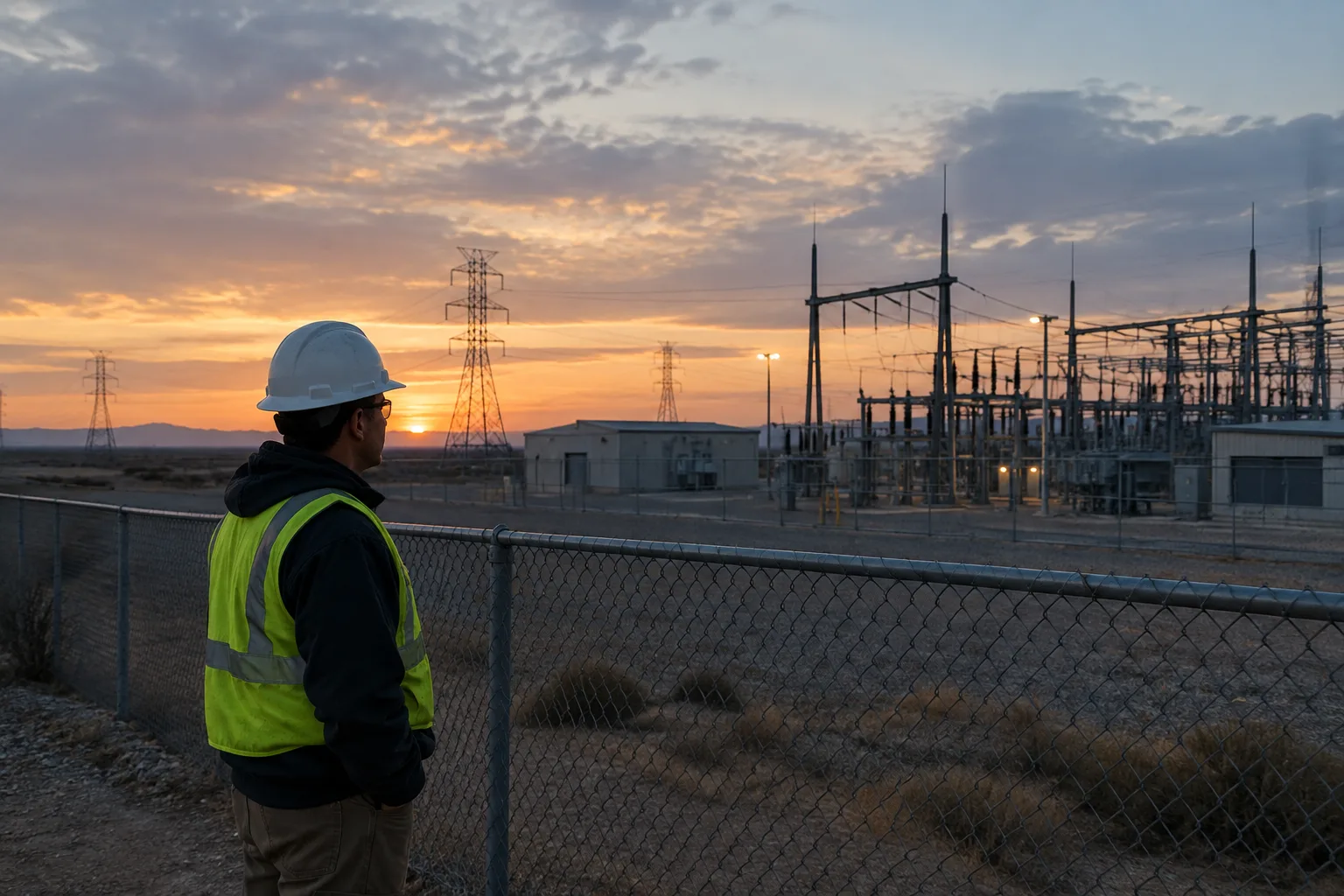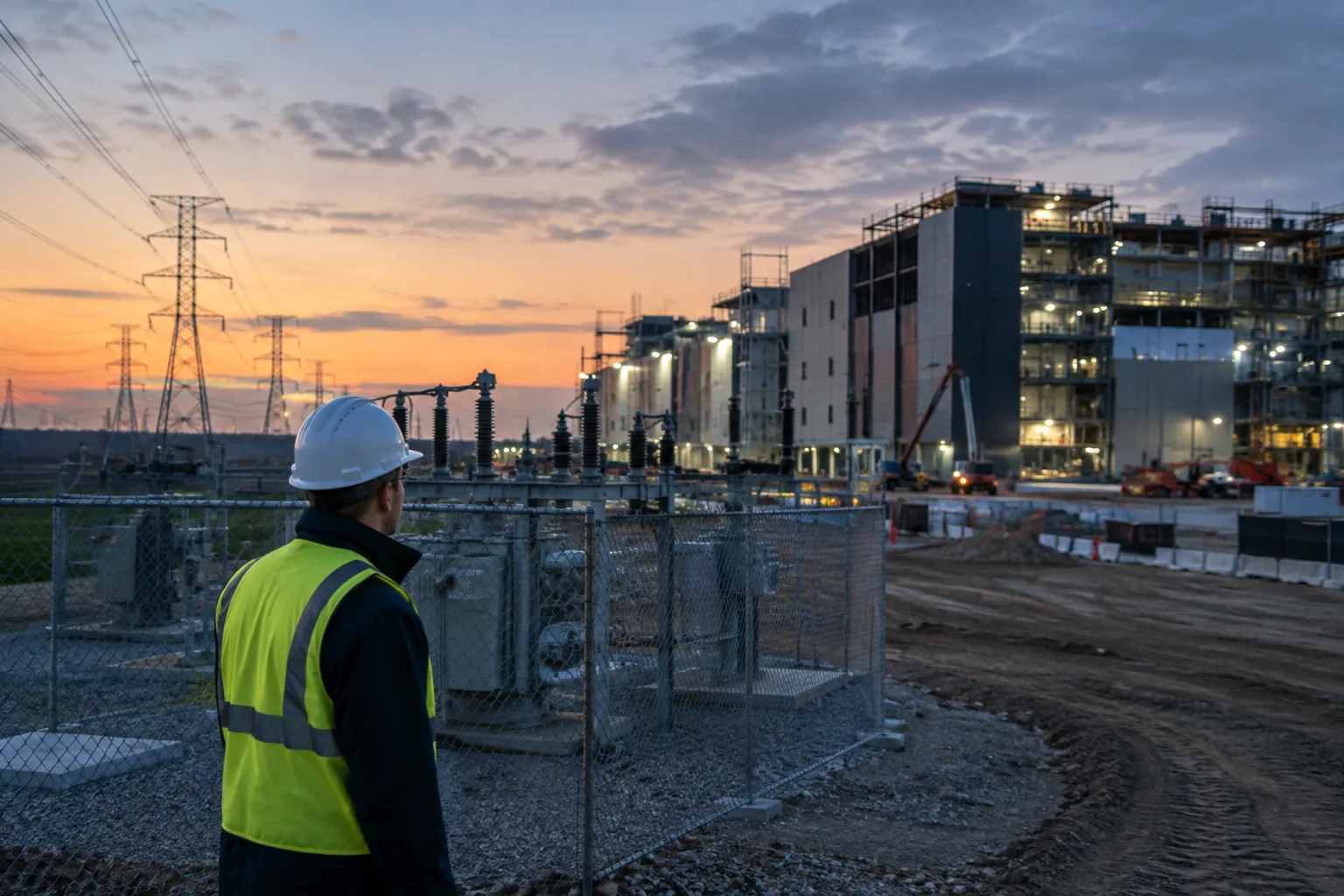

A flagship base, a silent leak, and the cost of deferred modernization
The reported jet fuel leak at Maryland’s Joint Base Andrews, a cornerstone installation best known as the home of Air Force One, reads less like an isolated mishap and more like a case study in how aging infrastructure, weak monitoring, and slow disclosure can compound into a high-impact environmental and governance event. Over multiple months, an estimated 32,000 gallons of aviation kerosene (jet fuel) entered the Potomac River watershed, with visible contamination documented in Piscataway Creek—a moment that appears to have forced the issue into the open after earlier internal estimates suggested a far smaller loss.
The timeline matters because it frames the central question regulators and lawmakers are now asking: how does a critical leak-detection test fail in December at a high-security installation, yet the situation persists into March before an external observer’s evidence triggers broader action? The answer, implied by state findings and the subsequent political reaction, points toward a system that behaved more like a legacy industrial site than a modern, sensor-rich critical facility—despite the base’s strategic profile.
From a business-and-technology lens, the incident underscores a recurring pattern across complex asset owners: when detection is intermittent and reporting is manual, the organization tends to discover the true scale of failure late—often after environmental signals become public. At that point, response costs rise, reputational exposure expands, and the margin for credible transparency narrows.
Environmental exposure in the Potomac watershed: operational risk becomes public risk
Fuel releases into tributaries feeding the Potomac are not merely localized nuisances; they can become multi-layered watershed events with implications for ecosystems, sediment, and downstream users. Jet fuel can volatilize, disperse, and also bind to soils and sediments—creating a long tail of monitoring and remediation needs that extends beyond initial containment.
Key environmental and public-interest stakes highlighted by the incident include:
- Aquatic ecosystem impacts in Piscataway Creek and connected waterways, including potential harm to fish, amphibians, and benthic organisms.
- Sediment contamination risk, which can turn a short-term spill into a longer-term management problem if hydrocarbons persist in riverbed material.
- Drinking-water and riparian exposure concerns, particularly where intakes, wetlands, or sensitive habitats intersect with the affected watershed.
- Cumulative trust erosion, as communities often judge response credibility not only by cleanup outcomes but by the speed and completeness of disclosure.
Maryland’s reported assessment that remediation efforts were “cursory and overdue” sharpens the governance dimension: environmental response is not only a technical exercise but also a compliance and confidence exercise. In spill events, the perceived seriousness of the cleanup—booms deployed, skimming operations, soil removal, sampling cadence, third-party verification—becomes a proxy for institutional accountability.
Leak detection, predictive maintenance, and the gap between defense assets and modern industrial practice
The most consequential technology signal in this episode is the December failure of a leak-safety test and what followed. In contemporary fuel logistics—whether in pipelines, terminals, or airport hydrant systems—best practice increasingly relies on layered controls:
- Continuous sensing (pressure, flow, acoustic, hydrocarbon vapor, groundwater monitoring wells)
- Automated shutoffs and isolation valves tied to anomaly thresholds
- Remote telemetry and centralized alerting, reducing dependence on local manual escalation
- Predictive maintenance (PdM) models that flag degradation patterns before catastrophic leakage occurs
- Digital twin approaches that simulate system behavior and detect deviations in near real time
By contrast, the narrative here suggests a posture where manual reporting and incomplete early estimates shaped the initial understanding of the spill. That gap is not merely technical; it is organizational. Predictive maintenance is as much about governance design as it is about sensors—clear escalation protocols, automated compliance triggers, and audit-ready data trails.
For the Department of Defense, the stakes are amplified by scale. The Pentagon is among the world’s largest institutional fuel consumers, and fuel is both a readiness input and a budget line. Even without broader market turbulence, leakage represents avoidable cost. With global oil supply disruptions and geopolitical flashpoints contributing to price volatility, the opportunity cost of lost fuel—and the scrutiny attached to it—rises further. In that context, infrastructure integrity becomes a financial control as well as an environmental obligation.
Oversight, ESG expectations, and the next phase of accountability
The political reaction—described as bipartisan outrage and calls for an independent probe—reflects a broader shift in how environmental performance is evaluated at public institutions. Military installations have historically operated with unique security constraints, but environmental statutes and state spill-reporting regimes still create expectations of timely, complete, and verifiable disclosure. Where disclosures are perceived as incomplete, the issue quickly migrates from “incident response” to “institutional credibility.”
Several forward-looking implications now come into view:
- Independent investigation and third-party validation: Expect pressure for external review of root causes, reporting decisions, and remediation adequacy—especially given the discrepancy between early estimates (~10,000 gallons) and later confirmed figures (32,000+ gallons).
- Congressional scrutiny and budget linkage: Hearings and appropriations debates may increasingly tie readiness funding to infrastructure modernization, including double-walled tanks, upgraded piping, and continuous monitoring systems.
- ESG-style accountability in defense operations: Even if the Pentagon does not label it “ESG,” the functional requirements—environmental risk management, governance controls, transparent reporting—are converging with the same standards investors and regulators apply to large industrial operators.
- Information operations and reputational exposure: A spill at a symbolically important base can become narrative fuel for adversaries, making environmental stewardship part of strategic communications whether planners want it or not.
What makes the Joint Base Andrews jet fuel leak especially instructive is the way it connects domains often treated separately: critical infrastructure technology, environmental compliance, budget discipline, and national-security reputation. The next chapter will be defined by whether remediation is executed with measurable rigor—and whether the systems that failed in December are replaced with a monitoring and accountability architecture designed for the realities of modern risk.

 By
By
 By
By
 By
By




 By
By