

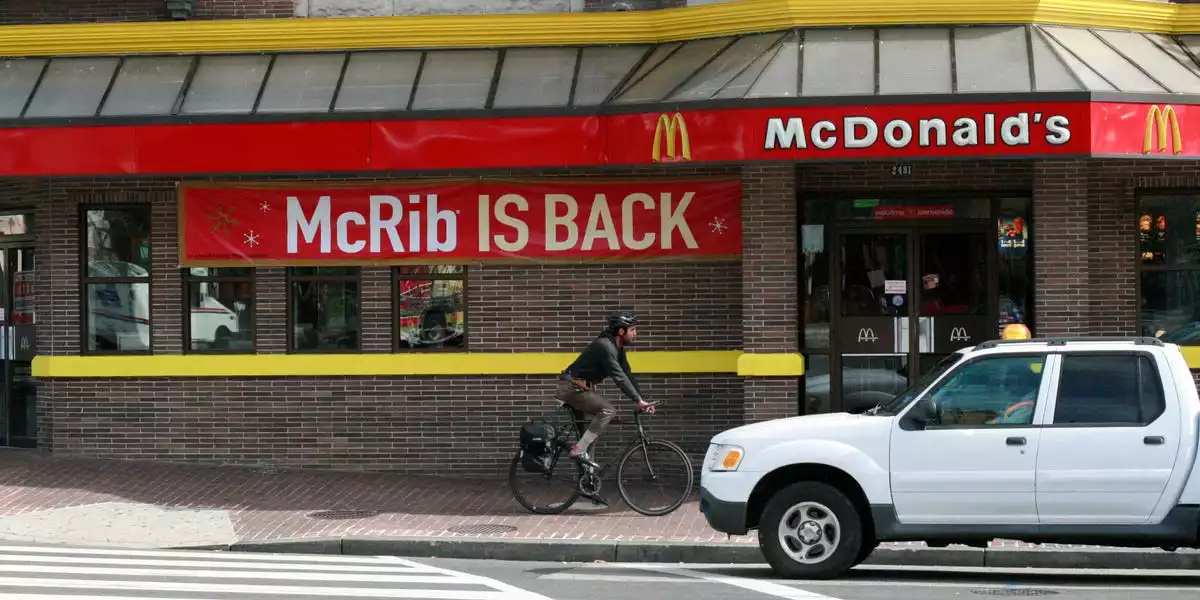

Limited-time offers evolve from seasonal gimmick to operating system for growth
Limited-time offers (LTOs) have quietly shifted from a marketing flourish into a core operating discipline across the restaurant industry. What once appeared as a seasonal novelty—think a holiday sandwich or a summer beverage—now functions as a repeatable mechanism to drive traffic, test product-market fit, and refresh brand relevance in an attention-scarce economy.
Major chains such as McDonald’s, Taco Bell, and Chipotle have increased LTO frequency and tightened launch cycles, using time-sensitive menu drops to create urgency and conversation. The strategic logic is straightforward: LTOs can generate immediate transaction lift while also serving as controlled experiments—a way to validate demand before committing to permanent menu complexity.
Yet the modern LTO is no longer just “new item, limited time.” It is increasingly a multi-channel campaign spanning app notifications, loyalty rewards, social media storytelling, and operational execution. In that sense, LTOs are becoming a proxy for how well a brand can coordinate data, supply chain, and customer experience under compressed timelines.
Key forces pushing LTOs into the center of restaurant strategy include:
- Fragmented consumer attention and the need for recurring “reasons to visit”
- Inflation-driven price sensitivity, where perceived value matters as much as price
- Competitive intensity, as promotions proliferate across dining, retail, and delivery ecosystems
- Menu innovation pressure, especially around proteins and premium add-ons that can lift check averages
AI-driven personalization turns mass promotions into individualized menu moments
The most consequential shift is technological: LTOs are moving from broad-based advertising to individualized experiences, increasingly shaped by AI and loyalty data. Machine learning systems can segment guests by purchase history, visit cadence, and context—time of day, location, and even weather—to determine which offer is most likely to convert.
This is where loyalty programs become more than retention tools; they become personalization engines. Brands such as Starbucks have demonstrated how gamified rewards can steer behavior, while protein-forward promotions at chains like Chipotle illustrate how targeted incentives can influence both frequency and basket composition. The underlying playbook is to optimize three variables at once:
- Timing (when the guest is most receptive)
- Content (which item or bundle resonates)
- Channel (app, email, push notification, in-store prompt)
However, this personalization arms race introduces a structural divide. Enterprise brands can afford cloud infrastructure, data science teams, and sophisticated recommendation systems. Many independent restaurants cannot—creating a potential two-tier market where personalization becomes a durable competitive moat for large chains.
Just as important is the emerging tension between relevance and intrusion. As restaurants build granular guest profiles, the industry faces a trust threshold: over-customization can feel invasive, especially if consumers do not understand what data is being collected and how it is used. The next phase of LTO innovation will likely be shaped as much by data governance and consent design as by marketing creativity.
The economics of urgency: innovation upside versus margin compression
From a business perspective, LTOs are attractive because they offer low-risk innovation testing. Operators can trial new flavors, premium proteins, or alternative ingredients without the long-term costs of permanent menu expansion. When executed well, the upside can include:
- Incremental sales lift and higher transaction counts
- Improved check averages through add-ons and bundles
- New customer acquisition, especially when social buzz amplifies scarcity
But the same mechanism can erode profitability if overused. Frequent promotions—particularly those featuring expensive proteins at discounted prices—can compress margins and train consumers to wait for the next deal. The danger is not only financial; it can also dilute brand equity if the menu begins to feel like a rotating discount carousel rather than a curated experience.
Macroeconomic conditions complicate the calculus. In inflationary periods, LTOs can act as a pressure valve, offering value cues that keep traffic flowing. Yet promotional intensity is rising across sectors—from retail flash deals to travel discounts—meaning restaurants risk being drowned out in a broader marketplace of “limited-time” noise. Scarcity only works when it still feels scarce.
The operational burden is equally real. Rapid LTO cadence demands supply chain agility, kitchen training, forecasting discipline, and consistent execution. Brands that can launch quickly without degrading service speed or quality will outperform those that treat LTOs as purely a marketing function.
Where the next wave is headed: culture, fintech layering, and sustainability pilots
The most effective LTOs rarely succeed on product alone; they succeed on narrative. Cultural relevance—holidays, sports moments, social media memes—turns a menu item into an event. The enduring fascination with phenomena like McRib-style scarcity or the fervor around returning favorites illustrates a key truth: consumers don’t just buy food; they buy participation in a moment.
Several non-obvious convergence trends are now shaping the LTO frontier:
- Retail and quick-commerce “drops” are conditioning consumers to chase novelty across categories, increasing competition for attention. Restaurants will need to differentiate through experience and storytelling that digital-only channels cannot replicate.
- Fintech integration could extend LTO reach through embedded payments, co-branded cards, subscriptions, or even “buy now, dine later” mechanics—reducing friction and turning promotions into monetizable platforms.
- ESG and sustainability experimentation is becoming more feasible via LTOs, particularly for testing alternative proteins, hybrid offerings, or regenerative sourcing partnerships without committing to permanent supply contracts.
The strategic winners will be those that can calibrate cadence without exhausting customers, scale personalization without breaching trust, and treat LTOs as both a revenue lever and a learning system. In a market defined by shifting loyalties and compressed attention spans, the restaurant brands that master urgency as a discipline—not a stunt—will keep their offers feeling rare, relevant, and worth the trip.

 By
By
 By
By
 By
By

 By
By


 By
By







