


The Rise of “Elevated Convenience”: How a 20-Minute Pasta Signals a New Era in Packaged Food
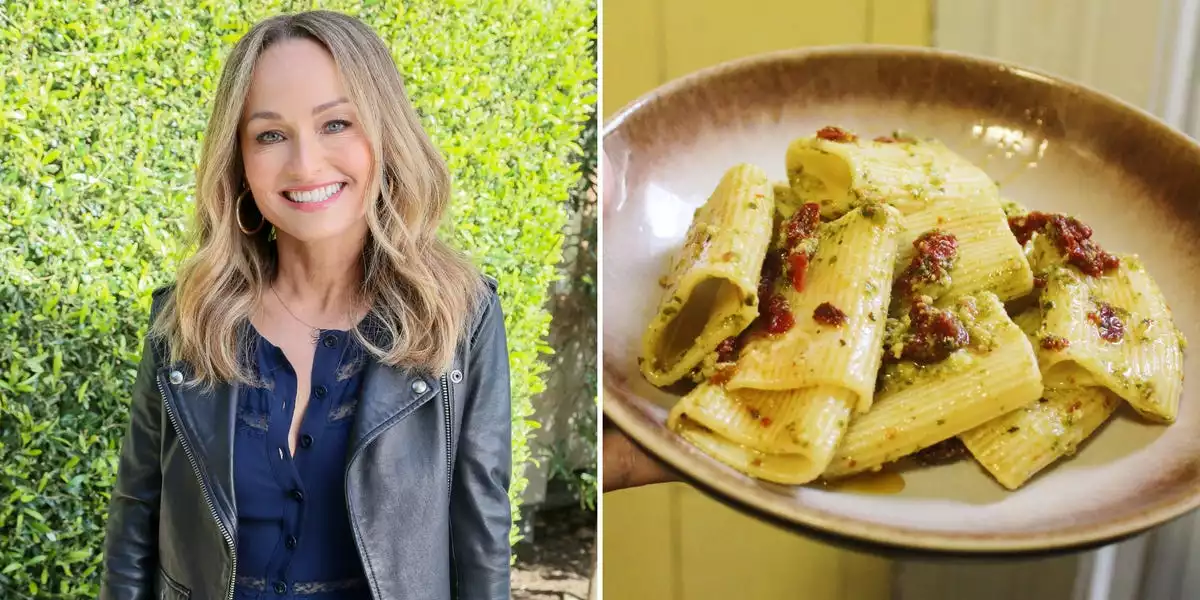
Giada De Laurentiis’ viral 20-minute, one-pot pesto and sun-dried tomato pasta is more than a culinary crowd-pleaser—it’s a lens into the tectonic shifts shaping the modern grocery and consumer packaged goods (CPG) landscape. As inflation pinches wallets and time becomes the rarest household commodity, the market is witnessing an unmistakable pivot: convenience, once synonymous with compromise, is being recast as a premium experience, and digital influence is the new kingmaker.
Minimalism Meets Margin: The Business of Simple, Premium Fare
The genius of De Laurentiis’ recipe lies not just in its flavor, but in its structure. Four ingredients—short pasta, Parmigiano Reggiano, jarred pesto, and oil-packed sun-dried tomatoes—form a minimalist yet upscale bundle. Each component, while humble in isolation, occupies a sweet spot where commodity meets brand, allowing retailers to command higher margins even as consumers scrutinize every dollar.
- Time Scarcity as Value: According to the Bureau of Labor Statistics, average U.S. meal-prep time has shrunk by roughly 17% since 2015. This compression has transformed “time saved” into a new form of currency, with consumers increasingly willing to pay premiums for sub-30-minute, chef-level outcomes.
- Ingredient Simplicity, Brand Complexity: Retailers and CPGs are leveraging these “minimalist-upscale” bundles to maintain profitability in an inflationary environment. The paradox: fewer ingredients, but more brand storytelling and mark-up potential.
This trend mirrors the unbundling seen in SaaS, where single-function apps with frictionless user experiences command high average revenue per user. Food brands are now exploring micro-pricing and subscription models—think “pesto-of-the-month”—to capture this same dynamic.
Digital Discovery and the Algorithmic Appetite
The kitchen is no longer confined to the home; it’s a node in a vast, algorithm-driven network. Recipes optimized for “one pot,” “<30 minutes,” and “celebrity chef” tags are algorithmic gold, outperforming in search and social feeds. This creates a self-reinforcing loop: the more these recipes trend, the more associated grocery SKUs fly off shelves.
- Algorithmic Discovery: Expect CPG marketing teams to ramp up investment in data science, capturing micro-moments when consumers are most likely to convert from content to cart.
- Influencers as Incubators: De Laurentiis’ digital reach operates as a distributed R&D lab for grocers. Engagement metrics from her content can de-risk private-label launches—think house-brand pesto or sun-dried tomato pouches—while direct-to-consumer (DTC) meal kits can white-label such recipes, slashing go-to-market cycles from quarters to weeks.
This is not just content marketing; it’s a new supply-side platform, where digital-first culinary influencers catalyze SKU innovation and market entry.
Strategic Moves: From Store Shelves to Smart Kitchens
The implications for industry stakeholders are profound:
- Retailers: Early pilots of “elevated convenience” end-caps—bundling four to five premium ingredients with QR-coded recipe content—have demonstrated basket lifts of 12–15%. These curated experiences transform the grocery aisle into a destination for inspiration, not just replenishment.
- CPG Manufacturers: Investing in recipe-centric APIs that feed real-time ingredient pairings to publishers and smart-kitchen devices will be critical. Capturing “share of palate” before the shopping mission even begins is the new battleground.
- Kitchen-Tech Providers: Integrating dynamic prompts based on trending celebrity recipes into IoT stovetops and voice assistants can drive ecosystem lock-in, making the kitchen a sticky node in the connected home.
The cross-pollination of culinary trends and technology is also unlocking non-obvious opportunities—such as lunchbox packaging innovations for cold next-day pasta, perfectly attuned to hybrid work schedules.
The Road Ahead: Recipes as Dynamic Storefronts
Over the next 6–36 months, the convergence of convenience, premiumization, and digital influence will only accelerate:
- Short Term: Expect a proliferation of “four-ingredient chef recipes” across TikTok and Instagram, with retailers scrambling to launch private-label versions of trending ingredients.
- Mid Term: Grocery e-commerce platforms will begin surfacing real-time “cook along” SKUs during live-streamed culinary events, turning recipes into interactive storefronts.
- Long Term: AI-powered personalization will assemble meal plans that echo the Giada model—premium taste, minimal effort—tailored to individual nutrition and budget needs, blurring the lines between media, retail, and even healthcare.
For marketers, the mandate is clear: position SKUs within the “premium in a pinch” narrative. Product teams should focus on high-margin, shelf-stable flavor concentrates, while strategy executives would do well to treat culinary influencers as co-innovators, not mere spokespeople.
De Laurentiis’ 20-minute pasta, in its apparent simplicity, encapsulates the future of food retail—a world where taste, time, and technology converge, and where every recipe is a strategic blueprint for growth in a margin-pressed, attention-scarce economy.

 By
By
 By
By
 By
By



 By
By
 By
By







