

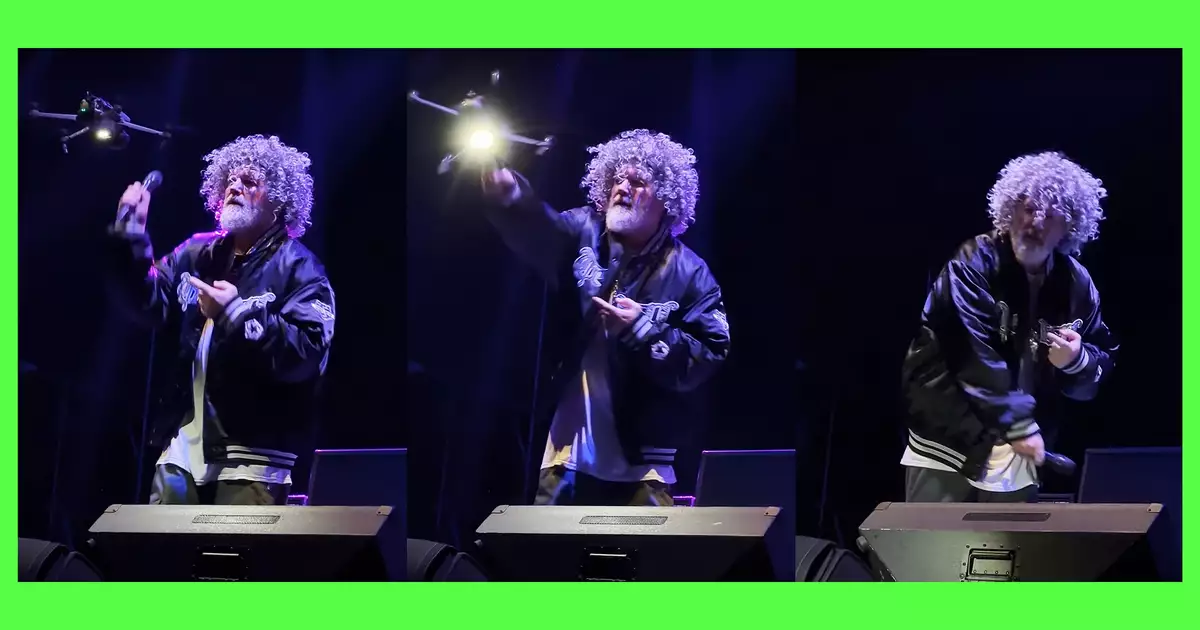

When Drones Breach the Stage: Live Events at the Crossroads of Technology and Security
Fred Durst’s swift, unscripted dispatch of a consumer drone during a Limp Bizkit concert in Istanbul was more than an impulsive act—it was a flashpoint in the evolving relationship between technology, performance, and the business of live entertainment. As the crowd erupted, the incident joined a growing anthology of artist-versus-drone confrontations, from Green Day’s Billie Joe Armstrong to Mr. Bungle’s Mike Patton, each underscoring a new friction at the intersection of audience agency, venue sovereignty, and the monetization of experience.
The Ubiquity—and Ambiguity—of Consumer Drones in Live Venues
The democratization of aerial technology is now a defining feature of the modern live-event stack. Sub-$1,000 quadcopters, equipped with cinematic 4K cameras, obstacle avoidance, and AI-powered tracking, have turned any concertgoer into a potential airborne broadcaster. The implications are profound:
- Airspace Uncertainty: Indoor arenas exist in a regulatory vacuum. National aviation laws, meticulously crafted for open skies, rarely penetrate the confines of stadiums and concert halls. Instead, a patchwork of local ordinances and contractual fine print leaves venue operators and performers exposed.
- Signal Saturation: The electromagnetic cacophony of a live show—Wi-Fi, Bluetooth, wireless audio—renders traditional drone detection unreliable. Most venues still rely on vigilant staff rather than integrated counter-UAS (unmanned aerial system) solutions.
- Data Exhaust: Every unauthorized flight streams not just video, but a trove of telemetry and metadata. This content, often captured without artist consent, becomes fodder for social platforms, real-time mapping, and even generative AI training sets.
The result is a paradox: fans, empowered by technology, can amplify the concert experience, but in doing so, they threaten the very business models and creative control that sustain live performance.
Economic, Legal, and Security Ripples: The Cost of Unchecked Airspace
The proliferation of drones at concerts is not just a matter of etiquette—it is a matter of economics and liability.
- Intellectual Property Erosion: Unlicensed aerial footage competes with official streams and hybrid-ticketing models. Every viral drone clip is a potential revenue leak, diverting attention and merchandising opportunities away from sanctioned channels.
- Insurance and Liability: For underwriters, drones represent an unpriced risk. The potential for bodily injury, equipment damage, or artist retaliation introduces new vectors for litigation. As claims accumulate, expect insurance premiums to rise and exclusions to proliferate.
- Security Budget Strain: Traditional security measures—bag checks, metal detectors—are no match for airborne intrusions. Early adopters of counter-drone technology, such as major U.S. stadiums, report annual incremental costs of $150,000 to $400,000, a burden that smaller venues may find unsustainable.
The legal gray zone is equally fraught. Without clear regulatory guidance, venues and artists are left to improvise, risking both public relations fallout and legal exposure.
Strategic Pathways: Turning Disruption into Opportunity
The convergence of technology and live entertainment demands a strategic, multi-disciplinary response. Forward-thinking stakeholders are already sketching the outlines of a new playbook:
- Artists and Management: Explicit drone clauses in performance riders and pre-show messaging can clarify boundaries and consequences. Some are exploring the licensing of “sanctioned drone corridors,” converting potential nuisances into new engagement revenue streams.
- Venue Operators: The integration of radar-optic hybrid detection with existing CCTV, coupled with real-time escalation protocols, can reduce reliance on artist improvisation. Partnerships with insurers to pilot usage-based premiums, tied to counter-UAS telemetry, are on the horizon.
- Technology Vendors: There is a burgeoning market for SaaS platforms that unify flight tracking, takedown authorization, and rights management. Edge AI modules capable of distinguishing “friendly” from “rogue” drones promise to elevate the signal-to-nuisance ratio for security teams.
- Platforms and Social Media: As artists file takedown notices, platforms may soon need metadata fields to flag “unauthorized drone footage,” expediting compliance and rights enforcement.
The broader industry currents are equally dynamic. The success of live-event AR/VR initiatives, the emergence of urban air-mobility corridors, and the rising tide of ESG and privacy activism are all converging to force a reckoning over aerial rights and responsibilities.
The New Architecture of Live Entertainment
Fred Durst’s onstage drone takedown is a microcosm of the mounting pressures facing the entertainment industry—technological, legal, and economic. The path forward will require regulatory convergence, standardized counter-UAS protocols, and innovative monetization of controlled aerial experiences. Insurers will demand accredited security measures, and executive teams will need to treat drone management as a strategic imperative, not a siloed expense.
For those who move first—artists, venues, and technology innovators alike—the opportunity is clear: transform today’s spectacle into tomorrow’s standard, safeguarding both revenue and the sanctity of live performance. In this evolving landscape, agility and foresight will define the next era of entertainment.

 By
By
 By
By

 By
By
 By
By


 By
By







