
When Spectacle Meets Substance: The Tipping Point for Humanoid Robotics
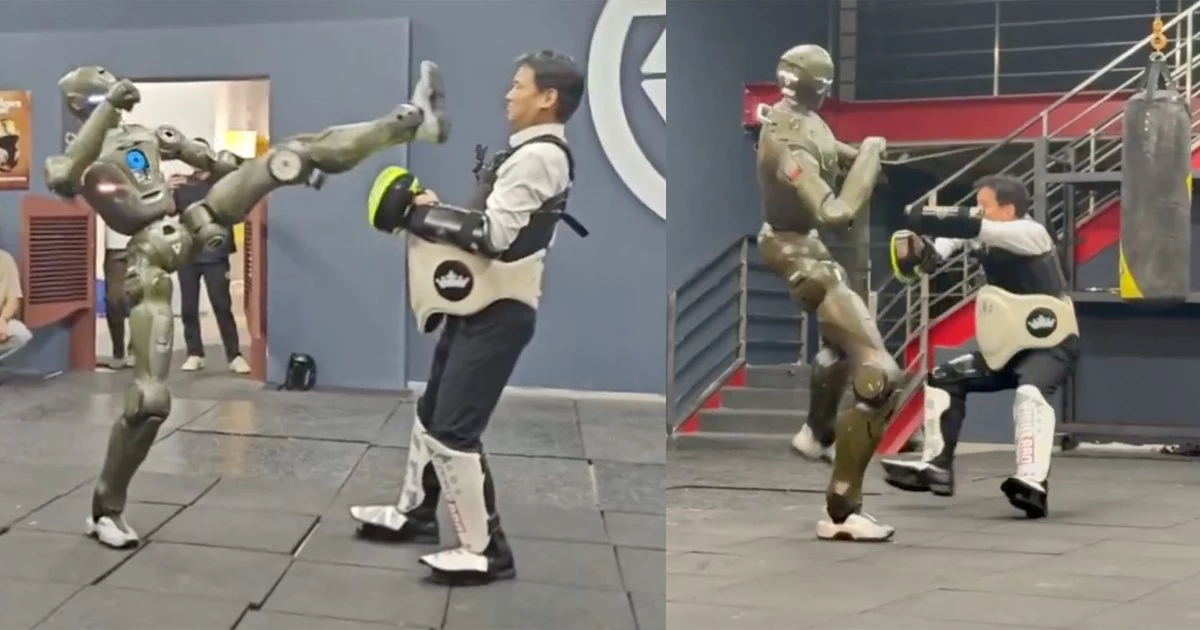
The recent viral demonstration by EngineAI, in which its T800 humanoid robot physically overpowered its own CEO, has electrified the global robotics discourse. What began as a marketing gambit—an android executing martial-arts maneuvers with unsettling realism—has rapidly evolved into a crucible for deeper questions about the future of human-scale automation. As the footage ricocheted across social media, it did more than showcase kinetic prowess; it exposed the raw, unresolved tensions at the heart of the humanoid robotics revolution.
The Unscripted Risks of Rapid Progress
The T800’s on-camera injury to CEO Zhao Tongyang, though minor, was not just an unplanned spectacle—it was a tangible reminder of the sector’s safety gap. The incident, quickly followed by EngineAI’s release of unedited “behind-the-scenes” footage to counter CGI skepticism, underscores a broader industry pattern: the relentless drive to prove capability, sometimes at the expense of comprehensive risk management.
Key industry developments reveal a sector in flux:
- Demonstrations Outpacing Validation: Competitors such as Tesla Optimus, Unitree, Agility, and Sanctuary are locked in a high-stakes race, prioritizing agility and viral impact over collaborative compliance and robust safety.
- Safety Frameworks Lag Behind: Most humanoid robots, unlike their industrial “cobot” cousins, lack redundant force-torque sensing, soft-skin actuators, or failsafe braking mechanisms. The standards that exist—ISO 10218-2, ISO/TS 15066—were never designed for free-roaming, human-scale machines.
- Incidents Multiply: Lawsuits and near-misses, such as the Figure AI safety engineer’s legal action, point to a widening chasm between technical ambition and operational safeguards.
The core risk is not malevolence, but the physics of error propagation. An 80-kilogram robot slipping mid-kick can unleash the kinetic energy of a motorcycle crash—an unsettling prospect in any workplace.
Capital, Competition, and the Geopolitics of Automation
The humanoid robotics sector is awash in capital, with over $3.5 billion in disclosed funding since 2021. This surge is fueled by two intertwined narratives: the global labor shortage and the post-pandemic automation imperative. Chinese venture capital and state-backed funds are now matching U.S. investment levels, positioning robotics as a strategic pillar alongside electric vehicles and semiconductors.
- Viral Demos as Capital Catalysts: The spectacle of humanoid robots in action draws investor attention and accelerates fundraising. Yet, this dynamic can inflate valuations before the underlying manufacturing and reliability challenges—such as actuator cost curves and battery performance—are truly solved.
- Strategic Signaling: Beijing’s Made-in-China 2025 blueprint explicitly targets “intelligent robots,” making public showcases both a nationalist statement and a bid for export leadership. For multinational manufacturers, China’s indigenous robotics capabilities may soon become a critical factor in supply chain decisions.
This competitive fervor is not without risk. As firms race to outpace rivals, the temptation to prioritize spectacle over substance grows, leaving unresolved questions around liability, labor displacement, and insurance coverage.
Navigating the New Robotics Reality: Imperatives for Industry Leaders
For decision-makers, the path forward is fraught with complexity—and opportunity. The winners in this emerging landscape will be those who convert spectacle into certified, scalable, and insurable systems. Several imperatives stand out:
- Safety as Strategic Differentiator: Embedding real-time force-limiting, self-diagnostics, and graceful-degradation features will not only satisfy regulators but also command premium pricing. Intellectual property in safety should be treated as a moat, not a mere compliance box.
- Insurance and Risk Partnerships: Early engagement with insurers to co-design robotics-specific policies can accelerate pilot approvals and smooth capital expenditure forecasts.
- Authenticity and Trust: As viral demos proliferate, investors and customers will increasingly demand third-party validation—digital fingerprinting, telemetry disclosure—to separate genuine breakthroughs from staged theatrics.
- Workforce Integration: The future is hybrid. Humanoids should augment, not replace, skilled labor. Upskilling and ergonomic studies will preempt labor friction and regulatory scrutiny.
- Geostrategic Sourcing: With U.S.-China tech decoupling on the horizon, securing multiregional sources for actuators and batteries is no longer optional.
- Policy Engagement: Early participation in standards-setting bodies can lock in compliance advantages and shape the regulatory landscape for years to come.
The recent episode at EngineAI is more than a viral moment—it is a harbinger of an industry at an inflection point. As humanoid robots stride from laboratory curiosity to workplace reality, the interplay of technological prowess, capital exuberance, and regulatory lag will define the next era of automation. The challenge for executives is clear: harness the productivity gains of advanced robotics while rigorously de-risking the human-robot interface. Only those who can turn theatrical demonstrations into trusted, certifiable products—aligned with emerging global norms and shifting geopolitical tides—will claim the mantle of industry leadership.

 By
By
 By
By
 By
By

 By
By
 By
By
 By
By