


Anti-inflammatory grocery baskets as a mainstream health strategy—built for the budget era
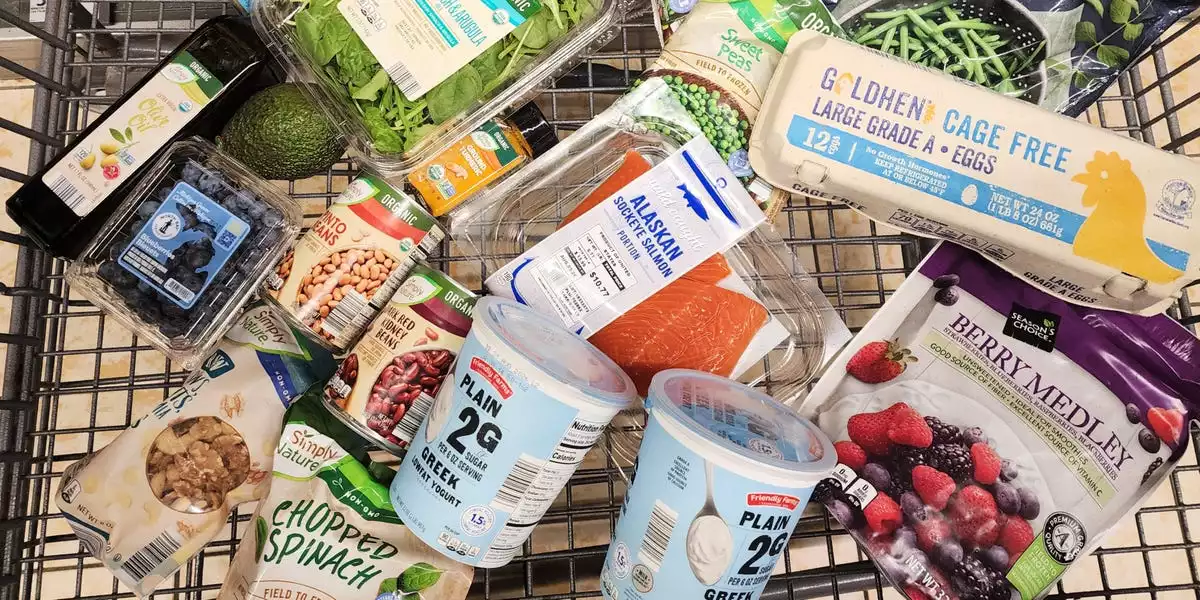
Registered dietitian Julie Andrews’ Aldi-focused anti-inflammatory shopping list reads like a practical blueprint for how preventive health is migrating from clinics to kitchens—especially as consumers navigate persistent inflation and heightened awareness of chronic disease risk. The underlying premise is medically familiar: chronic inflammation is associated with long-horizon conditions ranging from cardiovascular disease and metabolic dysfunction to neurodegenerative disorders. What is newly salient is the retail execution—how a value grocer’s assortment can make “food as prevention” feel attainable, repeatable, and scalable.
Andrews’ selections—berries, extra-virgin olive oil, salmon, leafy greens, organic eggs, Greek yogurt, avocados, nuts and seeds, rolled oats, turmeric, canned beans, and edamame—signal a deliberate blend of nutrient density and convenience. These are not exotic wellness products; they are recognizable staples with strong functional profiles:
- Polyphenol-rich produce (berries, leafy greens) aligned with antioxidant and anti-inflammatory dietary patterns
- Healthy fats (extra-virgin olive oil, avocados, nuts and seeds) that support cardiometabolic health
- High-quality proteins (salmon, eggs, Greek yogurt, edamame) that fit both performance and satiety goals
- Fiber-forward anchors (rolled oats, canned beans) that support gut health and glycemic stability
- Functional spices (turmeric) that have become emblematic of “everyday anti-inflammatory” cooking
The business signal is clear: functional eating is being reframed as a cost-management tool, not just a lifestyle choice. As households shift spending from restaurants toward at-home meals, retailers that can package health outcomes into affordable weekly baskets stand to capture both loyalty and share.
Aldi’s private-label engine meets functional food demand
Aldi’s “no-frills” model and private-label-heavy strategy are often discussed in terms of operational efficiency. In the context of anti-inflammatory eating, that model becomes a competitive advantage: it can normalize wellness staples at mass-market prices and iterate quickly on new functional items without waiting for national brand roadmaps.
From a strategic lens, the list highlights categories where private label can quietly build brand equity:
- Extra-virgin olive oil and frozen or fresh seafood: high consumer sensitivity to quality and provenance
- Organic or cage-free eggs and leafy greens: trust and transparency are central to repeat purchase
- Greek yogurt, oats, beans, and seeds: high-frequency staples where price elasticity matters
- Turmeric blends and “better-for-you” pantry items: low-cost innovation that can lift margins
This is where functional grocery becomes more than a trend; it becomes a portfolio strategy. Retailers can curate “anti-inflammatory” as a navigable theme—through shelf tags, recipe cards, or app-based collections—while still protecting margin discipline via private-label sourcing and controlled assortment.
The macroeconomic implication is equally important: as consumers seek lower-cost health solutions, value retailers are positioned to absorb demand that might otherwise flow to premium natural grocers. That shift can reshape competitive dynamics across food and beverage, pressuring legacy grocers to respond with sharper pricing, clearer health merchandising, and more credible nutrition storytelling.
The data layer: AI personalization, smart carts, and health-linked promotions
The most consequential technology story here is not the foods themselves—it is the emerging ability to connect purchase behavior, digital engagement, and health intent. Retailers already sit on rich point-of-sale data. When paired with AI, that data can power a new generation of nutrition personalization—provided privacy, consent, and transparency are treated as first-order design constraints.
Several pathways are becoming plausible in the near term:
- AI-driven dietary recommendations based on basket history (e.g., nudging toward berries or beans when patterns suggest low fiber intake)
- Targeted promotions for anti-inflammatory staples that align with consumer goals rather than generic discounting
- Integration with wearables and digital health apps, enabling “smart cart” suggestions tied to user-selected objectives (sleep, blood pressure, weight management) or clinician-guided plans
- Meal-planning automation that converts anti-inflammatory principles into shoppable lists, reducing friction and increasing basket size
For retailers, the prize is twofold: higher retention through relevance, and a defensible data moat built on longitudinal behavior. For consumers, the promise is convenience and guidance—turning a complex health concept into a set of routine purchases.
Yet this is also where governance matters. If anti-inflammatory positioning becomes a marketing shortcut rather than a disciplined nutrition framework, retailers risk eroding trust. The winners will likely be those that pair personalization with clear labeling, evidence-aware claims, and explainable recommendations that consumers can audit and understand.
Traceability, waste reduction, and the healthcare crossover
Anti-inflammatory staples skew perishable—salmon, greens, berries, yogurt—making supply-chain performance central to profitability and credibility. This is where IoT, blockchain-enabled traceability, and advanced forecasting move from buzzwords to operational levers:
- Provenance and quality assurance for sensitive categories like olive oil and seafood
- Demand forecasting that anticipates shifts toward functional foods, reducing spoilage and markdowns
- Sustainability reporting that increasingly influences consumer trust and regulatory scrutiny
The larger structural shift is the blurring boundary between grocery and healthcare. As chronic inflammation contributes to rising medical expenditures, preventive nutrition is gaining attention as a cost-containment strategy. That creates a pathway for:
- Insurer and employer partnerships that subsidize anti-inflammatory grocery baskets to reduce downstream claims
- Public-sector “food as medicine” programs such as produce prescriptions that embed retailers into community health ecosystems
- A future in which retailers maintain standardized, reimbursement-friendly catalogs of medically relevant foods
If that ecosystem matures, Aldi and similar value retailers could become unlikely infrastructure players in preventive care—less as wellness boutiques and more as scaled distribution networks for everyday health. The competitive edge will belong to grocers that can combine low prices, credible functional assortments, and responsible data-driven personalization—turning a simple shopping list into a durable platform for the next phase of Food-Tech-Health convergence.

 By
By
 By
By

 By
By
 By
By

 By
By








