

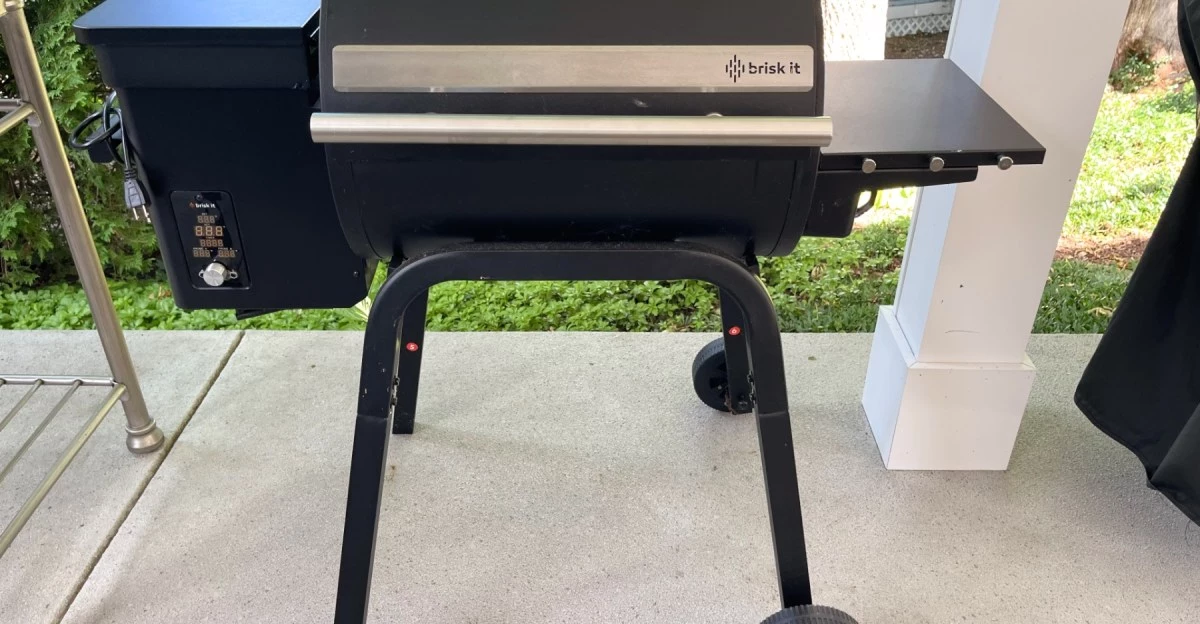

The Connected Barbecue: Where AI, IoT, and Outdoor Cooking Collide
In the dappled light of the American backyard, a quiet revolution is underway. The Brisk It Zelos-450 smart electric pellet smoker, now offered at a sharply reduced price, is more than a summer sales gambit—it is a harbinger of how technology is reimagining even the most elemental pleasures. By embedding Wi-Fi connectivity and a conversational AI assistant, “Vera,” into a mid-priced smoker, Brisk It has distilled two of the decade’s defining technological currents—ubiquitous IoT and consumer-grade generative AI—into a device that promises to democratize the art of barbecue.
This convergence is not simply a matter of convenience. It signals a profound shift in how consumers interact with their appliances, how manufacturers conceive of their products, and how entire ecosystems—spanning energy utilities to data privacy regulators—will need to adapt.
The Anatomy of a Smart Smoker: Technology as Taste-Maker
At the heart of the Zelos-450 is a sophisticated interplay between hardware and software. The smoker is no longer a passive vessel for wood and fire, but a fully realized edge device in the smart-home constellation:
- Remote Control and Automation: From ignition to shutdown, every function is accessible via Wi-Fi, transforming the smoker into a node that can be orchestrated from anywhere.
- Modular Firmware: Over-the-air updates promise a living appliance—one that evolves with new features, cooking modes, and predictive maintenance, echoing the iterative cadence of modern software.
- AI as User Experience: Vera, the onboard AI, shifts the paradigm from manual dials to conversational guidance. Recipes are not just suggested but dynamically optimized, drawing on real-time telemetry—ambient temperature, pellet consumption, food probe readings. The result is a feedback loop that nudges the machine toward self-optimizing cook cycles.
This embedded intelligence is not merely a technical flourish. It lowers the knowledge barrier that has long separated barbecue novices from pitmasters, making authentic smoked brisket or delicate fish accessible to anyone with a smartphone and a curiosity for flavor.
Economic Ripples and Strategic Realignment
The Zelos-450’s aggressive pricing—now hovering around $329 after a $121 markdown—plants it squarely between analog smokers and high-end connected grills. This signals more than a summer clearance; it suggests margin compression and the strategic deployment of inventory ahead of peak grilling season. But the real economic engine lies beneath the surface:
- Recurring Revenue: Pellet refills and accessory upsells (think covers, extra probes) follow the classic razor-and-blade model. As AI-driven recommender systems mature, expect these add-ons to be ever more personalized—and profitable.
- Competitive Dynamics: Traditional grill makers face a stark choice: accelerate digital transformation or risk obsolescence. Some may opt for OEM partnerships or license AI control stacks, bypassing the slow grind of hardware innovation.
- Platform Play: The smart smoker is a beachhead for broader ambitions. Integration with nutrition apps, smart energy panels, or grocery delivery APIs could unlock new, higher-margin services, transforming the humble grill into a culinary data platform.
The New Frontiers: Energy, Privacy, and the Home as Experience
Electrification is more than a nod to sustainability—it is a strategic response to tightening air-quality regulations and consumer demand for cleaner, low-mess fuel sources. The Zelos-450’s pellet-electric hybrid design not only meets these demands but also enables precise, algorithmic temperature control, expanding its repertoire from low-and-slow smoking to high-heat searing.
Yet, as outdoor appliances become smarter and more connected, they also become more entwined with the broader energy grid. Load-shifting algorithms could schedule long smokes during off-peak hours, offering utilities new levers for demand response—a strategy familiar in HVAC, but only now emerging in the backyard.
With great data comes great responsibility. Continuous telemetry collection raises the specter of privacy regulation, from GDPR to California’s CPRA. Early adopters who embrace edge processing and transparent, opt-in data policies may find themselves not just in compliance, but at a competitive advantage.
The Future Table: Where Value Is Created
The Zelos-450 is not just a discounted gadget; it is a microcosm of the forces reshaping consumer durables. As AI and IoT become table stakes, hardware margins will erode, and the true battleground will shift to software, data, and the services they enable. Forward-looking manufacturers are already investing in digital twin environments to iterate on cook profiles faster than their competitors can redesign steel chassis.
For retailers, the opportunity lies in bundling consumables and rewarding data sharing. For technology providers, in offering edge-AI toolkits and orchestration platforms to legacy brands. For utilities, in piloting dynamic pricing tied to appliance telemetry.
As the home becomes an experience center and AI commoditization accelerates, the humble smoker stands as a testament: the next wave of value creation will belong to those who see appliances not just as tools, but as data-rich platforms for a new era of connected living.

 By
By
 By
By

 By
By
 By
By

 By
By
 By
By







