

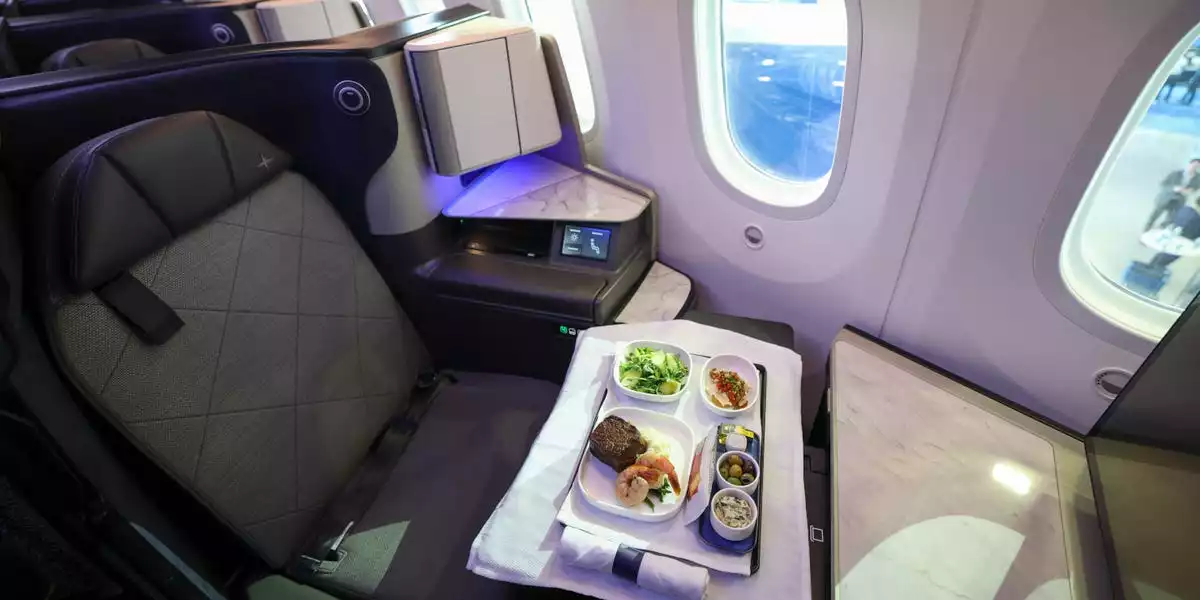

A new premium playbook: lie-flat seats, à la carte privileges
United Airlines and Delta Air Lines are redrawing the boundaries of what “business class” means in the U.S. market. Their newly introduced basic business-class fares—United’s Polaris basic and Delta’s Delta One basic—retain the hard-product essentials that define long-haul premium travel, notably lie-flat seats and upgraded onboard dining. What they deliberately remove are many of the “soft” benefits that historically justified the cabin’s price premium: lounge access, expanded baggage allowances, priority services, and in some cases seat selection.
This is not an isolated experiment. It aligns U.S. network carriers with a broader international trend among major airlines—including Qatar Airways, Air France-KLM, Emirates, and Lufthansa—toward unbundling premium cabins and expanding ancillary revenue. Yet the early pricing signal is telling: reported discounts are often modest, roughly 5–10% below the traditional all-inclusive business fare. That narrow spread is fueling a central question for travelers and corporate buyers alike: Is this genuine value creation—or a reframing of the same price point with fewer inclusions?
For airlines, however, the strategic logic is clear. Premium cabins have become too important to leave to blunt, one-size-fits-all pricing. Basic business fares are a way to sell the seat more often, while charging separately for the services that some customers value—and others don’t.
Price discrimination, re-engineered for the premium cabin
At its core, the move is a sophisticated form of customer segmentation and price discrimination. Airlines are separating what many travelers perceive as the true “must-have” (sleep, privacy, comfort) from what is situational (lounge time, expedited airport flow, extra bags). This allows carriers to capture multiple willingness-to-pay tiers inside the same cabin without overtly discounting the flagship product.
Several dynamics make this approach especially attractive now:
- Load factor optimization in business class: A slightly cheaper entry point can fill seats that might otherwise go unsold, improving revenue per available seat mile (RASM) without broadly lowering published premium fares.
- Protecting yield integrity: By keeping discounts limited, airlines can avoid training the market to expect deep business-class sales—an outcome that historically compresses margins and weakens pricing power.
- Meeting a more budget-sensitive premium traveler: Inflationary pressures and tighter corporate scrutiny have made even high-income travelers more selective. A “seat-first” proposition can appeal to those who want rest and productivity but can forgo ground perks.
The risk is equally structural: if the basic tier becomes the new default purchase behavior, airlines could face soft-product devaluation and pressure to justify the higher-priced “full” business fare. The success of this model depends on whether carriers can maintain a meaningful perceived gap between tiers—without making the premium brand feel hollowed out.
Ancillary revenue meets brand equity: the delicate trade-off
Unbundling is familiar in economy cabins, where low-cost carrier tactics turned everything from bags to boarding into a monetizable add-on. Applying that logic to business class is a more delicate maneuver because premium travel is as much about status, predictability, and frictionless experience as it is about the seat.
Still, the financial incentives are powerful. Basic business fares create new opportunities to sell:
- Lounge access (day passes, single-entry, or bundled offers)
- Additional baggage and handling services
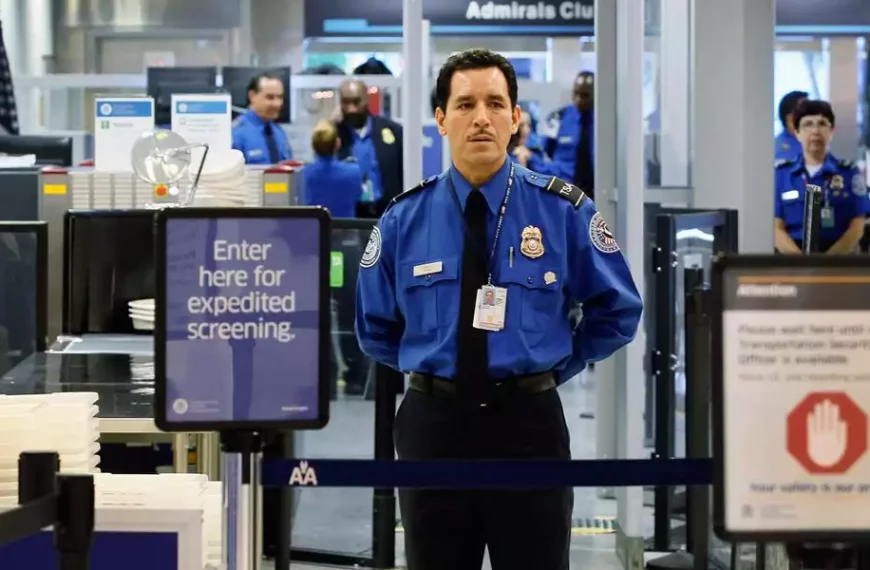
- Priority check-in, security, and boarding
- Seat selection and change flexibility, depending on fare rules
For airlines, these add-ons can deliver incremental margin that is often higher than base ticket margin, particularly when the cost to provide the service is low relative to the price charged. At the same time, removing inclusions can reduce exposure to labor-intensive components of premium service, helping carriers manage unit costs amid elevated fuel, staffing, and operational expenses.
But brand and loyalty considerations loom large. Premium flyers—especially elites and corporate road warriors—have long treated lounge access and priority services as part of the implicit contract of business class. If too many travelers experience a “premium seat, economy rules” journey, airlines risk:
- Eroding premium brand perception
- Complicating loyalty value propositions
- Increasing customer service friction at airports as travelers discover exclusions mid-journey
The most likely outcome is a careful balancing act: airlines will preserve a clearly superior “full” fare experience while using the basic tier to capture incremental demand—particularly leisure premium travelers and cost-conscious small-business buyers.
Data-driven retailing becomes the real battleground
What makes this shift more than a pricing tweak is the technology stack behind it. Modern airline retailing increasingly depends on advanced revenue management, personalization, and dynamic offer construction—capabilities that allow carriers to decide, in real time, which traveler sees which bundle at which price.
Expect the market to move quickly from static tiers (“basic” vs. “full”) toward dynamic bundling, where airlines assemble micro-packages based on context such as route, booking window, loyalty status, trip purpose signals, and historical purchase behavior. A traveler booking a red-eye for a one-day meeting may be offered a different set of add-ons than a couple booking a long-haul vacation, even if both start from the same basic business fare.
This also has implications for corporate travel programs. Procurement teams may welcome the transparency of paying only for what’s needed, but they will need to retool policy and analytics to avoid false economies—saving 5–10% on the ticket only to repurchase essentials later at a premium. The most effective corporate response will likely involve:
- Policy rules that define when lounge/priority is productivity-critical
- Spend analytics that compare “basic + add-ons” vs. full fare by route and traveler segment
- Integration with booking tools to reduce surprise exclusions and traveler friction
For competitors, United and Delta’s move is also market signaling: premium is no longer a monolith, and the next phase of competition will be fought through offer design, personalization, and ancillary strategy as much as through seat quality. In that environment, the winners will be the carriers that can unbundle without cheapening the brand—and that can prove, with pricing discipline and product clarity, that “basic business class” is a choice rather than a downgrade.

 By
By
 By
By
 By
By
 By
By

 By
By
 By
By







