
A 300‑MW compute wager that signals a new phase for enterprise AI
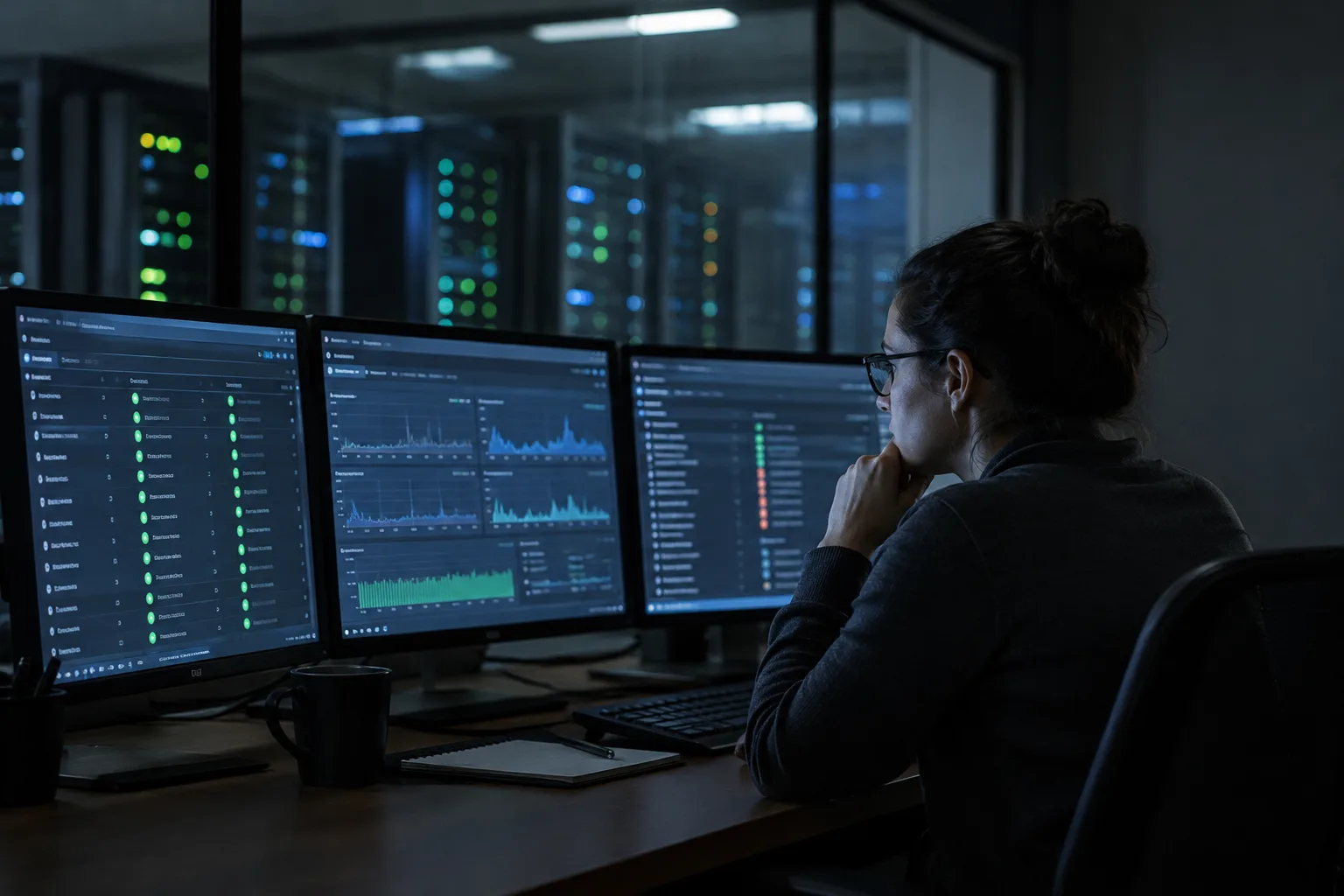
Anthropic’s agreement with SpaceX to secure 300 megawatts of high-performance computing capacity at SpaceX’s Colossus One data center is more than a procurement headline—it is a clear marker of how the AI market is reorganizing around power, GPUs, and throughput guarantees. In practical terms, Anthropic is buying time and certainty in a world where model capability is increasingly gated by access to compute, not ideas.
The immediate business consequence is straightforward: Anthropic says the added capacity will accelerate its Claude Code service and enable higher rate limits and throughput across product tiers, responding to sustained developer demand. That detail matters. Generative coding tools are moving from experimentation to production workloads, where customers measure value in:
- Latency and concurrency (how many developers can use the tool at once without slowdowns)
- I/O and context handling (how well models manage large codebases and multi-file reasoning)
- Reliability under peak demand (predictable performance for CI/CD and enterprise workflows)
This is the AI industry’s current reality: the “best model” is increasingly the model that can be served at scale, with consistent performance and predictable cost. Anthropic’s move reads as a deliberate attempt to ensure Claude’s growth is not throttled by the same compute bottlenecks that have constrained many frontier-model providers.
SpaceX’s compute-as-a-service pivot and the monetization of GPU-heavy CAPEX
For SpaceX, the deal highlights a parallel strategic arc: the company is increasingly positioned not only as an aerospace leader, but as an emerging infrastructure supplier capable of monetizing assets built for internal AI and engineering workloads. The reference point here is the scale—over 220,000 Nvidia GPUs—which signals a data-center posture that begins to resemble a new class of “non-traditional hyperscaler.”
That matters because the AI compute market is no longer defined solely by AWS, Microsoft Azure, and Google Cloud. It is being reshaped by organizations willing to deploy massive GPU clusters and then sell capacity outward when internal demand fluctuates or when monetization opportunities become compelling.
Several market dynamics are converging:
- Supply-side pressure and pricing leverage: Hyperscalers face their own inventory and margin constraints, while enterprise demand is uneven across sectors. A large independent compute provider can introduce pricing competition and contract flexibility.
- Capital efficiency: SpaceX can turn GPU and data-hall investments—classic heavy CAPEX—into revenue-generating infrastructure. For buyers like Anthropic, pre-committing to large blocks of compute can reduce exposure to volatile spot pricing and constrained availability.
- A new negotiating landscape: Anthropic’s willingness to source from SpaceX strengthens its hand with incumbent cloud partners. Multi-sourcing is no longer just resilience; it is bargaining power.
In this light, the partnership is best understood as a market structure event: it suggests that the next wave of AI infrastructure may be supplied by a broader set of players—some with deep expertise in energy, logistics, and physical systems rather than traditional cloud software.
Multi-cloud by design: why Anthropic is building a “club” of compute partners
Anthropic’s broader posture—maintaining relationships across Google, Amazon, and Microsoft while adding SpaceX—signals a mature, defensive approach to scaling frontier AI. This is not merely redundancy; it is a strategic architecture designed to minimize vendor lock-in and maximize optionality.
A multi-cloud and multi-provider strategy can enable:
- Dynamic workload placement: shifting training and inference jobs based on price, performance, availability, and even carbon intensity
- Risk diversification: reducing exposure to a single provider’s supply chain, regional outages, or policy changes
- Product-level differentiation: offering enterprise customers deployment flexibility aligned with their existing cloud estates and compliance requirements
For Claude Code specifically, the ability to “double” limits and throughput is not just a user-experience improvement—it is a competitive statement in a crowded market for AI developer tools. As coding assistants become embedded in enterprise software delivery, the winners will be those who can guarantee service quality at scale, not only model intelligence in isolation.
This is where infrastructure becomes strategy: compute access translates directly into product reliability, customer retention, and the ability to support high-value enterprise contracts with stringent SLAs.
Energy, ESG, and the orbital horizon: the next constraints are political and physical
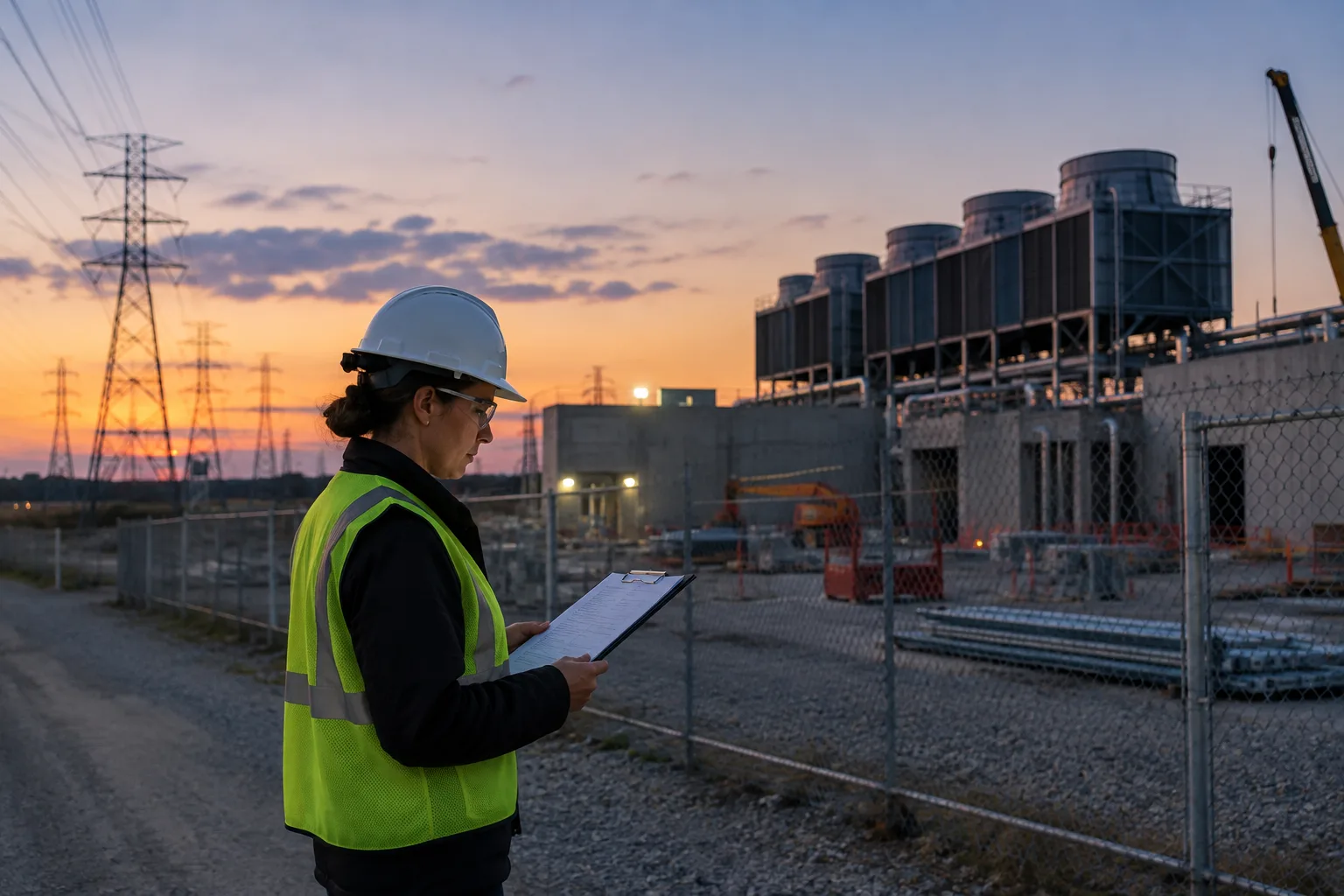
The scale implied by 300 MW invites scrutiny beyond technology and economics. Power is now a first-order constraint for AI, and large facilities can trigger local and national debates about grid capacity, emissions, and community impact. The mention of gas turbines at the Memphis facility underscores a growing tension: AI companies want rapid deployment, while stakeholders increasingly demand cleaner energy sourcing and transparent environmental accounting.
Expect pressure to intensify around:
- Renewable procurement and additionality (not just offsets, but real grid impact)
- Local air quality and permitting for fossil-based generation
- Disclosure expectations as regulators and investors treat AI compute as an ESG-relevant industrial activity
At the same time, the partnership hints at a more speculative—but strategically revealing—frontier: space-borne or orbital data centers. The concept reframes compute as a multidomain asset, potentially leveraging SpaceX’s low-earth-orbit capabilities for global coverage and new network architectures. Yet the hurdles are formidable: thermal dissipation, radiation hardening, launch economics, maintenance, and—most complex—jurisdiction, spectrum governance, and export-control compliance.
Still, the signal is clear. As terrestrial power and land constraints tighten, the industry is beginning to explore unconventional infrastructure paths. Anthropic’s deal with SpaceX sits at the intersection of these forces: compute scarcity, energy intensity, and the convergence of aerospace and cloud economics. The companies that thrive in this era will be those that treat infrastructure not as a backend cost center, but as a core competitive instrument—engineered for scale, resilience, and legitimacy in the eyes of regulators, customers, and communities alike.

 By
By
 By
By
 By
By


 By
By
 By
By
 By
By