
Discounted hardware as a strategic lever, not a simple price cut
A cluster of notable consumer-tech deals—spanning portable audio, gaming storage, wearables, and smart-home security—offers a revealing snapshot of how leading brands and retailers are navigating a market defined by value-seeking consumers, shorter product cycles, and ecosystem-driven monetization.
Consider the pricing moves now visible across major channels:
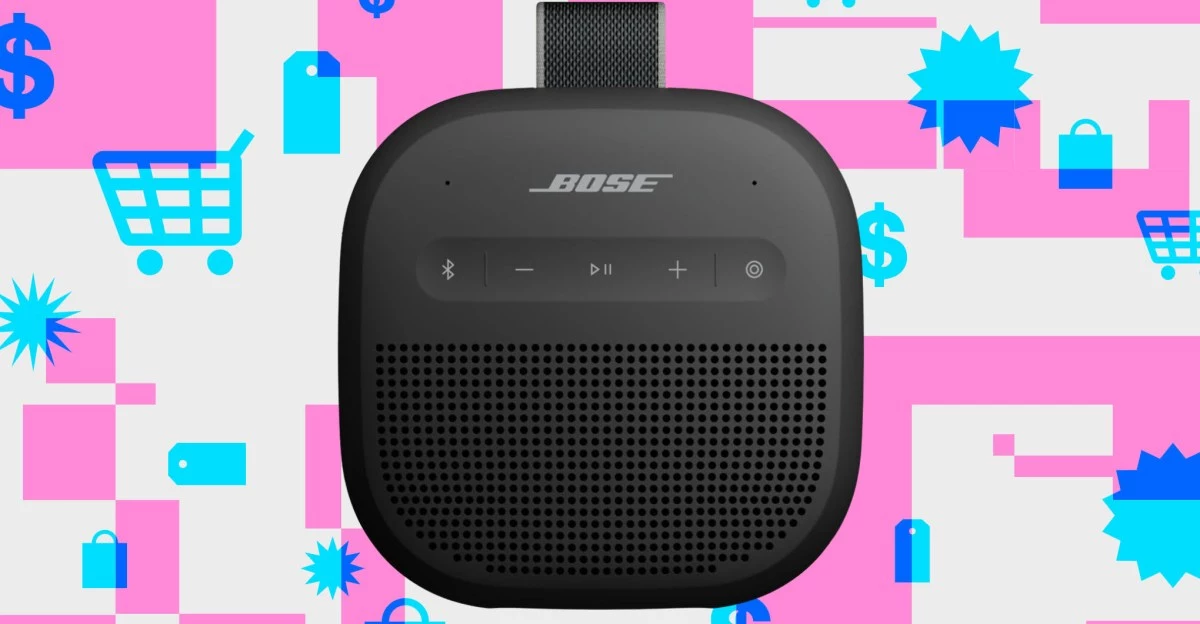
- Bose SoundLink Micro at $79.99 on Amazon (down from $129): a compact, IP67-rated Bluetooth speaker with a 12-hour battery and a strap designed for mobility.
- Seagate Game Drive 5TB HDD at $169.99 at Best Buy (from $219.99, time-limited): positioned for gamers and PC users, with compatibility aimed at Xbox One/X-era libraries rather than newer Series-optimized titles.
- Refurbished Apple Watch Series 9 starting at $189.99 on Woot, including a one-year warranty and support for watchOS 10.
- Ultraloq Bolt smart lock at $74.99 on Amazon (from $109.99): featuring Wi‑Fi, fingerprint + PIN access, remote control, and integrations with Alexa, Apple Home, and Google Home.
On the surface, these are straightforward promotions. Underneath, they reflect a deeper reality: hardware is increasingly treated as a customer acquisition instrument, where margin is often defended—or rebuilt—through services, platform attachment, and lifecycle management rather than through the initial sale alone.
Bose, Apple, Seagate, Ultraloq: four deals that map to four market pressures
Each product category here is contending with a distinct competitive squeeze, and each discount signals a different strategic response.
Dropping the SoundLink Micro by roughly 38% highlights how even premium audio brands must compete in a crowded field where differentiation is incremental and consumer expectations are shaped by constant discounting. Portable speakers have become a high-volume, high-competition segment, and the promotional playbook often serves multiple purposes at once:
- Inventory management ahead of refresh cycles or seasonal demand shifts
- Ecosystem trial—getting first-time buyers into a brand’s sound signature and accessory orbit
- Channel visibility—algorithmic ranking and conversion boosts on major marketplaces
The strategic risk is brand dilution; the strategic upside is scale and retention. The brands that win tend to pair discounts with clear product tiering and repeatable upgrade paths.
The Seagate 5TB Game Drive promotion underscores a market truth that hasn’t changed as quickly as headlines suggest: cost-per-gigabyte still governs mass storage decisions. SSDs dominate performance narratives, but HDDs remain compelling for:
- Large game libraries and media archives
- Backup and “cold storage” use cases
- Households balancing multiple devices and limited internal console capacity
This is less a battle of old versus new than a two-tier storage market: SSD for speed-sensitive workloads, HDD for capacity-first economics. For vendors, that split creates room for segmented messaging and bundling opportunities—particularly around backup utilities, warranty extensions, and cloud-adjacent services that can raise lifetime value.
A refurbished Apple Watch Series 9 at a sub-$200 entry point—with warranty coverage—signals how “certified pre-owned” is evolving from a niche bargain channel into a mainstream on-ramp. The implications are commercial as much as environmental:
- Lower prices expand the addressable market without forcing Apple to reposition flagship pricing
- Warranty-backed refurbishment reduces perceived risk and increases conversion
- Wearables are uniquely effective at driving downstream engagement in health, fitness, and device ecosystem stickiness
Refurbishment also functions as a pressure valve in a market where consumers are holding devices longer. By formalizing second-life sales, the industry can preserve brand trust while capturing value that might otherwise flow to informal resale markets.
At under $100, a Wi‑Fi smart lock with fingerprint and PIN access is no longer positioned as a premium novelty—it’s edging toward household infrastructure. That price point matters because it changes buyer psychology: adoption becomes less about experimentation and more about practical home modernization.
Yet as smart locks commoditize, differentiation migrates away from feature checklists and toward security posture and platform interoperability, including:
- Firmware update reliability and long-term support expectations
- Encryption and authentication design
- Integration quality across Alexa, Apple Home, and Google Home ecosystems
For smart-home vendors, the lock is also a gateway device—an anchor for future add-ons such as monitoring services, identity management, or partner integrations in insurance and property management.
What these promotions suggest about the next phase of consumer tech
Taken together, these deals point to a market where pricing strategy, lifecycle strategy, and ecosystem strategy are converging. Several forward-looking implications stand out for business and technology leaders:
- Ecosystem bundling will intensify. Discounts increasingly act as the first step in a longer revenue arc—audio accessories, storage utilities, device protection, health subscriptions, or smart-home services.
- Inventory agility becomes a competitive advantage. Faster refresh cycles and promotion-driven demand spikes reward companies with strong forecasting, flexible logistics, and disciplined channel management.
- Refurbishment will expand beyond early leaders. Warranty-backed, graded, certified pre-owned programs are becoming a core go-to-market tool, not a side channel—especially as affordability and sustainability pressures rise in parallel.
- IoT security will become the real differentiator. As smart-home pricing drops, trust becomes the premium feature. Vendors that can demonstrate robust update mechanisms and secure-by-design architecture will be better positioned as households standardize on connected infrastructure.
- AI-driven pricing optimization will move from advantage to necessity. With discretionary budgets under strain, promotional cadence is likely to remain high—making dynamic pricing and margin governance central to brand strategy.
These four discounts are not merely opportunistic bargains; they are signals of how consumer technology is being sold, positioned, and monetized in 2026: hardware as the entry point, ecosystems as the moat, and lifecycle management as the margin engine.

 By
By
 By
By
 By
By
 By
By
 By
By

 By
By