
Nolan’s IMAX *Odyssey* as a stress test for modern filmmaking economics
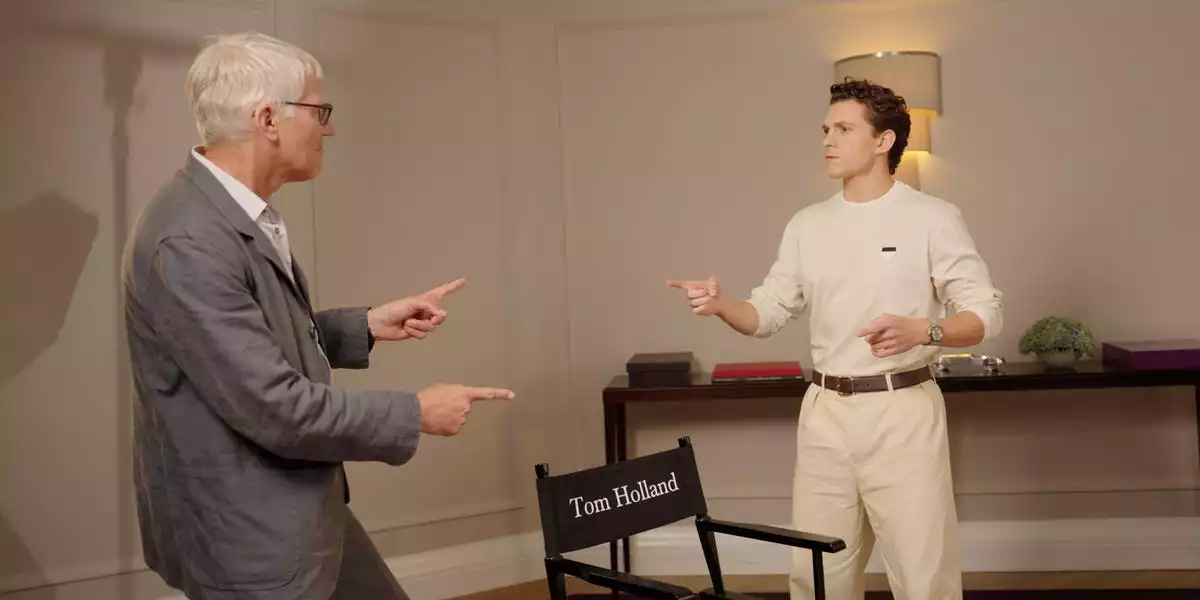
The recent “two Tom Hollands” moment on *The Rest Is History* podcast—actor Tom Holland in conversation with historian Tom Holland—played as a charming novelty. Yet the discussion they orbited is anything but light: Christopher Nolan’s adaptation of *The Odyssey* is being framed as a landmark experiment in ultra-high-fidelity cinema, with the production reportedly pushing toward the first full-length feature shot entirely on IMAX cameras.
For the business of film, this is not simply an artistic flex. It is a deliberate wager that premium theatrical experiences can still command pricing power in a streaming-saturated market—provided the experience is materially different, visibly superior, and difficult to replicate at home. IMAX, with its towering screens, distinctive aspect ratio, and reputation for technical spectacle, has become a strategic platform for that differentiation.
This is also a bet on audience psychology. Post-pandemic consumer behavior has shown renewed willingness to pay for “event” experiences—travel, concerts, dining—while simultaneously applying sharper scrutiny to discretionary spending amid inflation. In that environment, IMAX is less a format than a value proposition: a promise that the ticket costs more because the product is measurably more.
The “microscope effect”: how extreme image fidelity reshapes production
The podcast conversation underscored a core truth about large-format capture: image fidelity changes everything downstream. IMAX-level resolution—often described as reaching up to an 18K-equivalent per frame—doesn’t merely make pictures sharper; it makes the entire production ecosystem more exacting.
Key technical and operational implications include:
- Camera hardware evolution as a creative enabler
Nolan’s long-standing preference for IMAX has historically collided with practical constraints: camera bulk, noise that complicates sound recording, and limited magazine durations. The emergence of quieter, lighter IMAX camera systems signals a shift in which manufacturers are no longer just vendors—they are becoming co-designers of creative possibility, tailoring hardware to directorial intent.
- Data throughput becomes a first-order production risk
Ultra-high-resolution capture can generate multiple terabytes of uncompressed footage per day, turning data handling into a mission-critical discipline. This elevates the importance of:
– on-set data management pipelines and redundancy
– high-capacity storage arrays and rapid checksum verification
– accelerated off-site backups and secure transfer protocols
In practical terms, the “digital lab” is now as essential as the physical set.
- Performance and craft recalibrate under higher scrutiny
IMAX’s so-called “microscope effect” forces adaptation across departments. Actors must contend with a frame that captures micro-expressions and subtle physical tells; cinematographers and focus pullers must operate with heightened precision in lighting, focus, and lens discipline. The result is a production environment where talent training and technical mastery become competitive differentiators, not just line items.
This is where Nolan’s approach becomes instructive for the broader industry: the technology is not merely improving the image—it is raising the minimum standard of execution.
From cinema to sensors: why IMAX R&D echoes across industries
One of the most commercially significant subtexts is how innovations built for prestige filmmaking can diffuse into adjacent sectors. The same constraints that plague ultra-high-resolution cinema—bandwidth, noise suppression, precision optics, power efficiency—also define the frontier in fields such as:
- autonomous vehicles and robotics (high-resolution perception under variable conditions)
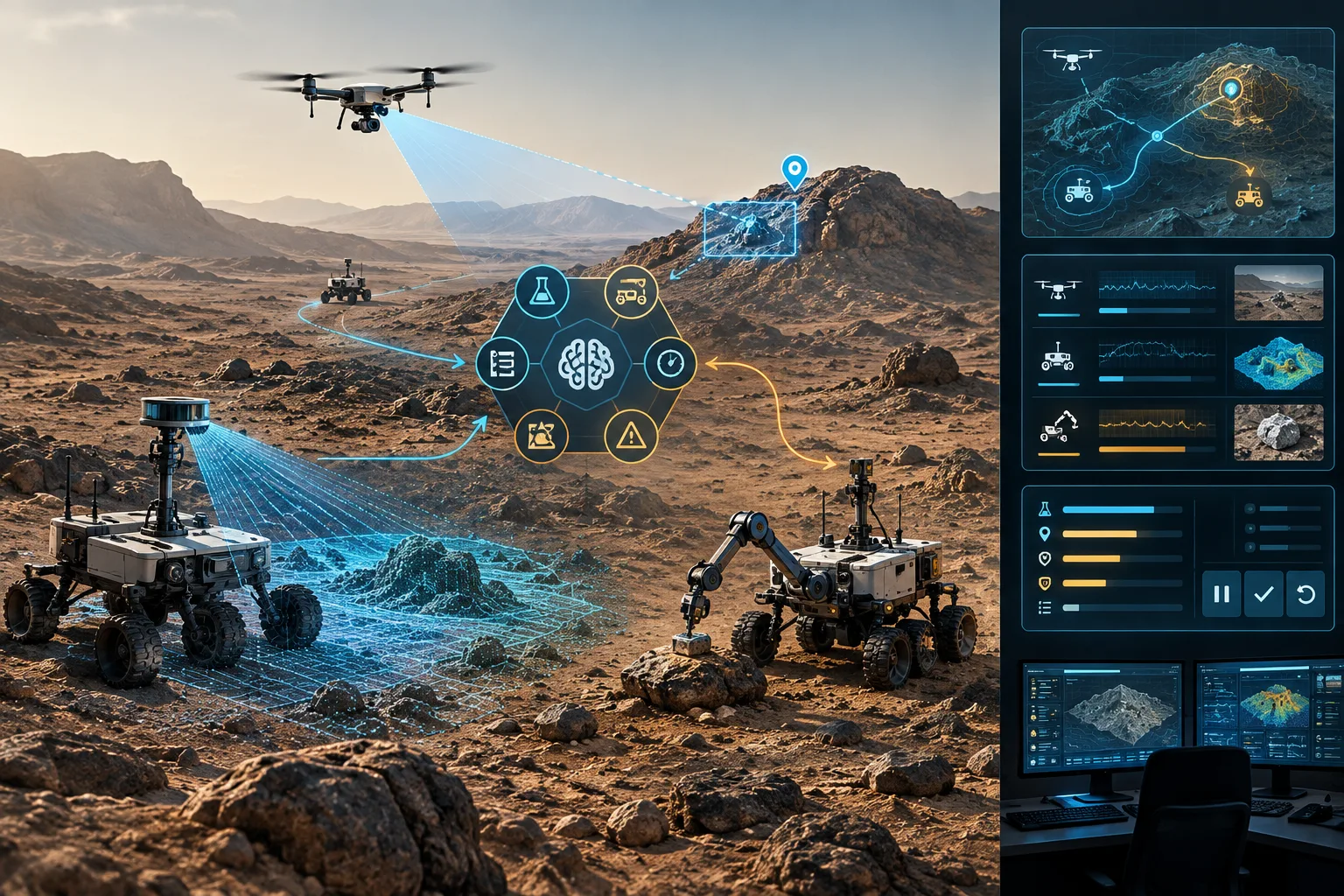
- drone surveying and geospatial mapping (data-heavy capture and stabilization)
- medical imaging (precision optics, low-noise electronics, fidelity under constraints)
As IMAX camera systems become quieter, lighter, and more modular, the spillover potential grows. Possible “spin-off” innovation areas include battery miniaturization, acoustic-silent electronics, and high-speed modular media systems—capabilities that can translate into defense applications, wildlife research, and live-event broadcasting.
For technology strategists, the lesson is familiar: premium entertainment often functions as an R&D sandbox, where the willingness to pay for excellence underwrites breakthroughs that later become mainstream.
Premiumization, partnerships, and the hidden risk of digital identity confusion
The commercial logic behind an IMAX-first production strategy is straightforward: premium tickets (often 2x–3x standard pricing) can help offset the revenue pressures created by shortened attention spans, content abundance, and streaming substitution. But the economics are not purely upside.
Studios and production companies face a dual burden:
- CapEx and Opex escalation
Next-generation IMAX rigs require significant upfront investment—whether purchased or rented—plus recurring costs in specialized crews, maintenance, logistics, and the energy footprint of high-data-rate workflows.
- Strategic make-or-buy decisions
As large-format production becomes more specialized, studios must decide whether to:
– build in-house ultra-high-fidelity units, or
– partner with IMAX-certified service providers and post-production specialists
Increasingly, co-development models—where manufacturers and filmmakers collaborate—position equipment makers as creative partners, potentially reshaping IP, revenue sharing, and long-term roadmaps.
The podcast’s lighter detour into confusion between the two Tom Hollands—amplified by an Elon Musk critique that briefly left online audiences guessing—also points to a modern reputational hazard: digital identity ambiguity. In an era of algorithmic amplification, misattribution can spread faster than clarification, affecting not only celebrities but also executives, brands, and publicly traded companies.
For organizations operating at the intersection of media and technology, brand protection is no longer cosmetic. It is operational:
- consistent metadata and verified identities across platforms
- proactive domain and handle control
- rapid-response communications when misattribution spikes
Nolan’s IMAX *Odyssey* is ultimately a case study in how technical ambition, production infrastructure, and market strategy are converging. The next phase of cinema will not be defined solely by what stories get told, but by which companies can industrialize fidelity—profitably, sustainably, and with the operational discipline required to make “event entertainment” feel truly unmissable.

 By
By

 By
By
 By
By
 By
By


 By
By