
Lifestyle-first superyacht design signals a recalibration of luxury value
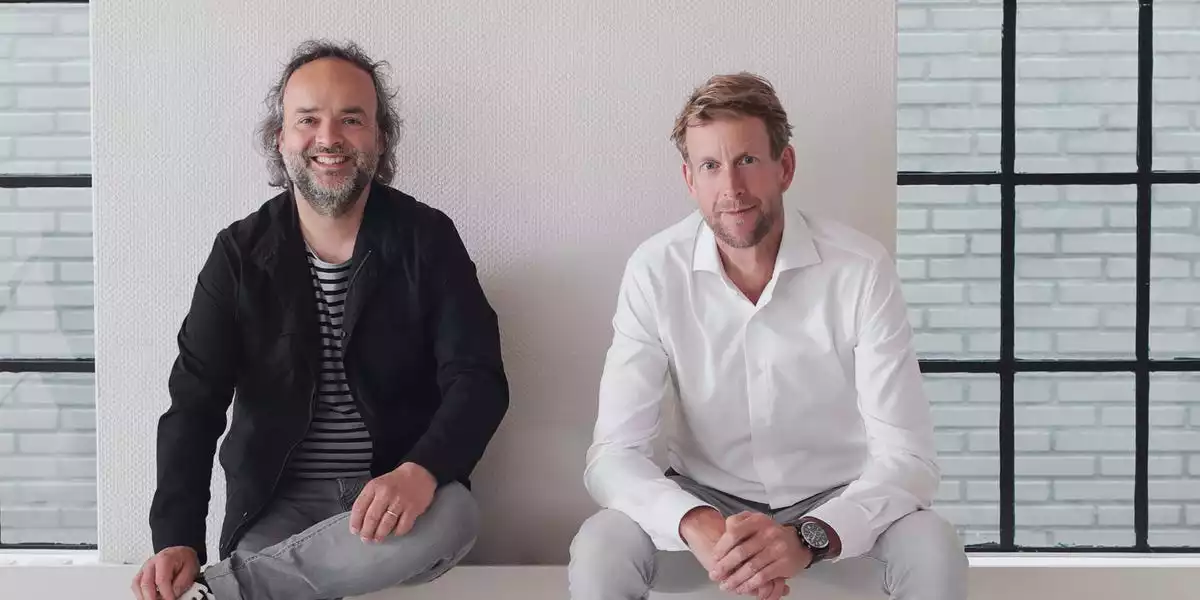
Vripack co-creative directors Marnix Hoekstra and Bart Bouwhuis are articulating a shift that has been building across the ultra-luxury economy: superyachts are increasingly being designed not as floating monuments to aesthetics, but as high-performance lifestyle platforms where function, health, and daily usability carry equal weight with visual drama.
This is a meaningful reframing for an industry where build cycles stretch across years and budgets can reach $100–$500 million. In that context, the client’s decision calculus is evolving toward what might be called “return on experience”—a pragmatic, outcomes-driven view of luxury that prioritizes:
- Personal longevity and wellness (spaces and systems that support health routines)
- Productivity and privacy (true work environments, not improvised desks)
- Comfort in real sea states (stabilization and ride quality as non-negotiables)
- Environmental stewardship (materials and propulsion aligned with ESG expectations)
The implication is not that style is fading; rather, style is being asked to justify itself through utility. For designers and shipyards, this elevates the importance of human-centered design—mapping how owners and guests actually live onboard, then engineering the vessel around those behaviors.
Wellness engineering becomes a competitive moat—medical-grade systems go mainstream at sea
One of the clearest demand signals described by Vripack is the rise of wellness-centric amenities that would have been niche or even eccentric a decade ago: hot yoga studios, kickboxing areas, hyperbaric oxygen chambers, and adjacent systems such as advanced air filtration. This reflects a broader UHNWI trend toward self-optimization and longevity, where health is treated as an investable asset.
From a business and technology perspective, this is more than interior design. It is ecosystem convergence. Superyacht builders are increasingly acting as integrators of specialized suppliers that historically served hospitals, elite sports facilities, and high-end residential developments. The yacht becomes a tightly orchestrated stack of:
- Medical-grade wellness installations (hyperbaric, cryotherapy, recovery suites)
- Precision HVAC and air-quality engineering (filtration, humidity control, thermal zoning)
- Noise and vibration management (to protect sleep quality and recovery outcomes)
- Safety and compliance considerations (power redundancy, maintenance protocols, crew training)
For shipyards, the strategic opportunity is differentiation through validated wellness performance—not merely offering a “spa room,” but delivering measurable outcomes: air quality metrics, acoustic targets, thermal stability, and equipment reliability. For suppliers, the superyacht market becomes a high-margin proving ground where premium engineering can be productized and later adapted to luxury real estate and private aviation.
“Work from yacht” turns connectivity into mission-critical infrastructure
The COVID-era blending of work and leisure has matured into a durable behavior: WFY—work from yacht. Owners are no longer satisfied with occasional connectivity; they want reliable, secure, low-latency communications that support executive workflows, sensitive calls, and always-on collaboration.
This pushes superyacht design into the realm of enterprise IT and telecom architecture. The modern yacht is expected to support:
- Dedicated office zones and boardroom-grade spaces
- Resilient satellite connectivity, increasingly tied to next-generation LEO constellations
- Hybrid networking models (satellite + coastal 5G where available)
- Edge-enabled operations for onboard systems and performance monitoring
- Cybersecurity and privacy-by-design, given the sensitivity of client communications
In practical terms, connectivity is becoming as fundamental as propulsion: a system that must work under variable conditions, across jurisdictions, and with minimal downtime. This also reframes the yacht as a corporate platform—a mobile environment for off-grid strategy sessions, negotiations, or discreet retreats. The line between personal asset and business infrastructure blurs, and with it comes a new set of expectations around uptime, redundancy, and service-level accountability.
Comfort, stabilization, and sustainability reshape the engineering brief
While wellness and workspaces capture headlines, Vripack’s commentary underscores two quieter revolutions: ride quality and sustainability.
First, comfort is being engineered, not assumed. Advanced fin stabilizers, gyroscope-based systems, and adaptive ballast control are now central to the onboard experience—especially as owners demand broader cruising envelopes and consistent comfort in variable sea states. These stabilization systems also mirror wider mobility trends: sensor fusion, automation, and digital performance modeling. Over time, the same toolchain can support digital twins, predictive maintenance, and even stepping stones toward more autonomous operational capabilities.
Second, sustainability is moving from aspirational to actionable. Vripack’s forthcoming all-electric “Project Zero” is described as a catalyst—less a single vessel than a market signal that decarbonization is becoming part of luxury’s definition. Client interest is expanding beyond propulsion into the less glamorous but highly impactful disciplines of efficiency and materials, including:
- Energy-efficient insulation and reflective coatings to reduce load
- Eco-sensitive material substitution, including alternatives to traditional teak
- Design choices that reduce operational footprint without sacrificing comfort
This shift also intersects with risk management. Supply-chain volatility and regulatory momentum—particularly around maritime emissions—make sustainable design a hedge as well as a statement. Flagship projects like Project Zero can function as marketing magnets, but also as early compliance positioning against evolving decarbonization expectations.
Taken together, these trends suggest the superyacht is becoming a bellwether for the next era of luxury: health-optimized, connectivity-rich, comfort-engineered, and increasingly climate-conscious—a domain where design excellence is measured not only by what it looks like, but by what it enables day after day, mile after mile.

 By
By
 By
By

 By
By
 By
By
 By
By