


A patriotic interface with a purpose: Waymo’s July 4 rollout as product strategy
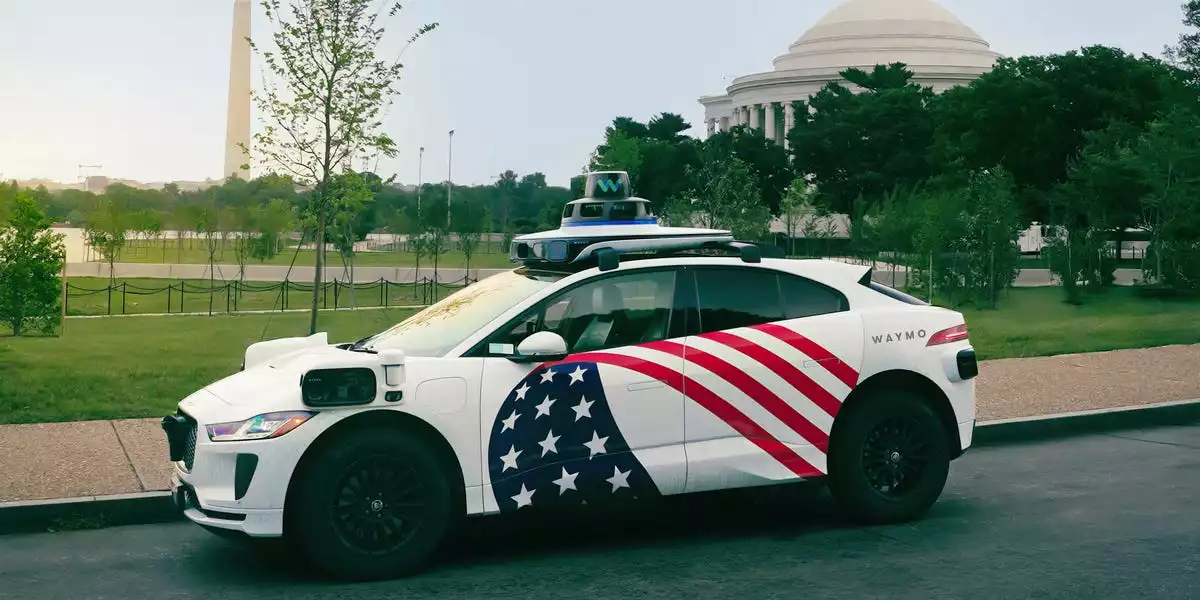
Waymo’s decision to dress its autonomous robotaxi fleet in Fourth-of-July visual language—fireworks animations on in-cabin screens, a star-spangled vehicle icon, and select American-flag wraps—reads at first like seasonal whimsy. Look closer, and it functions as a tightly engineered product and communications move in the fast-evolving autonomous vehicle (AV) economy.
The company is effectively using a cultural moment to reinforce a core positioning: the robotaxi as a safe, reliable alternative to human driving on one of the most dangerous days on U.S. roads. July 4 is consistently associated with elevated crash risk, and Waymo’s “ultimate designated driver” framing ties celebration directly to risk reduction—an unusually clear bridge between brand identity and public safety.
This kind of holiday activation also signals something important about the competitive terrain. As autonomous mobility shifts from a technical race to a service race, experience design becomes a differentiator. Themed interfaces are not just decoration; they are evidence that Waymo’s product is increasingly software-defined, with the cabin experience treated as a living digital surface rather than a static vehicle interior.
Key signals embedded in the rollout include:
- A mature over-the-air (OTA) software pipeline capable of deploying time-bound, context-specific UI changes across a fleet
- A service mindset that treats rider experience as part of the product, not an afterthought
- A narrative strategy that pairs delight with safety—critical for public trust in autonomous driving
Software-defined mobility in action: HMI theming as a proxy for platform maturity
Waymo’s Fourth-of-July interface update is best understood as a human–machine interface (HMI) demonstration. In traditional automotive cycles, cabin UI changes are slow, expensive, and tied to model years. In robotaxi operations, the cadence can look more like consumer software—iterative, measurable, and responsive to user behavior.
That matters because the AV market is converging on a reality where hardware capability is necessary but insufficient. The winners will likely be those who can continuously refine the rider experience while maintaining safety and reliability. Seasonal theming offers a low-risk way to validate:
- UI deployment reliability at scale (can the fleet update cleanly and consistently?)
- Rider comprehension and comfort (do passengers interpret the system’s cues correctly?)
- Context awareness under real conditions (noise, lighting, crowds, fireworks, and holiday traffic patterns)
The company’s prior engagement experiments—such as playful microphone prompts—hint at a broader pattern: structured “delight” can double as instrumentation. Holiday campaigns can be designed to collect granular telemetry on rider interaction, cabin conditions, and system performance, particularly during atypical environmental scenarios. For autonomy developers, those edge conditions are not peripheral; they are where confidence is built or lost.
This is also where the strategic value of HMI becomes more than aesthetic. A well-designed interface can support trust by making autonomy feel legible—communicating what the vehicle is doing, why it is doing it, and how the passenger should interpret the ride. In AV adoption, perceived safety is nearly as important as measured safety, and the interface is one of the few direct channels an autonomous system has to communicate intent.
The economics of festive branding: utilization, earned media, and safety-linked unit costs
From a business perspective, Waymo’s holiday wraps and themed UI are a classic example of capital-light marketing with high visibility. Compared with expanding fleet size or launching a new market, seasonal skins are inexpensive—yet they can generate disproportionate attention through social sharing, local press, and rider word-of-mouth.
The timing is commercially rational. Holidays can produce demand spikes and unusual trip patterns, and any mobility service benefits from higher utilization. If a themed campaign nudges even a modest number of riders to choose a robotaxi over a personal vehicle—especially for nightlife or fireworks events—it can improve:
- Fleet utilization rates during peak windows
- Operational leverage by spreading fixed costs across more rides
- Brand recall through repeated visual impressions in dense urban corridors
More subtly, Waymo is connecting the product to a measurable externality: reducing alcohol-related fatalities, a relationship supported by research on ride-hailing’s impact on road safety. For an autonomous ride service, the implication is powerful: fewer impaired drivers can mean fewer crashes, which can translate into tangible economic benefits such as:
- Lower liability exposure
- Reduced insurance and claims pressure
- Less vehicle downtime and maintenance from collision events
This is where safety messaging becomes more than corporate virtue. In autonomous mobility, safety performance is a financial variable. A credible safety record can improve the unit economics of the fleet while strengthening the company’s negotiating position with regulators, cities, and insurance partners.
Trust, regulation, and the next monetization layer: what this signals for AV competition
Waymo’s Fourth-of-July activation also functions as a public-affairs instrument. By emphasizing safety on a high-risk driving day, the company positions itself as aligned with municipal goals—fewer crashes, fewer fatalities, less strain on emergency response systems. That alignment can build regulatory capital, especially as AV operators seek expanded service areas, longer operating hours, and broader permissions.
The initiative also hints at future revenue architecture. Once a fleet can support dynamic, contextual content, the cabin becomes a programmable environment—opening doors to possibilities that extend beyond transportation:
- Sponsored seasonal themes (a pathway to in-vehicle advertising without traditional ad clutter)
- Personalized experiences informed by behavioral analytics (potentially enhanced by generative AI)
- Insurance innovation using aggregated safety and operational data to negotiate bespoke coverage models
The strategic throughline is clear: Waymo is not merely operating autonomous cars; it is refining a software-defined mobility platform where brand, safety, data, and experience reinforce one another. In a sector where public trust is hard-won and easily lost, even a fireworks animation can be doing serious work—quietly turning a holiday ride into a proof point for what autonomous transportation is trying to become.

 By
By
 By
By


 By
By
 By
By
 By
By
 By
By







