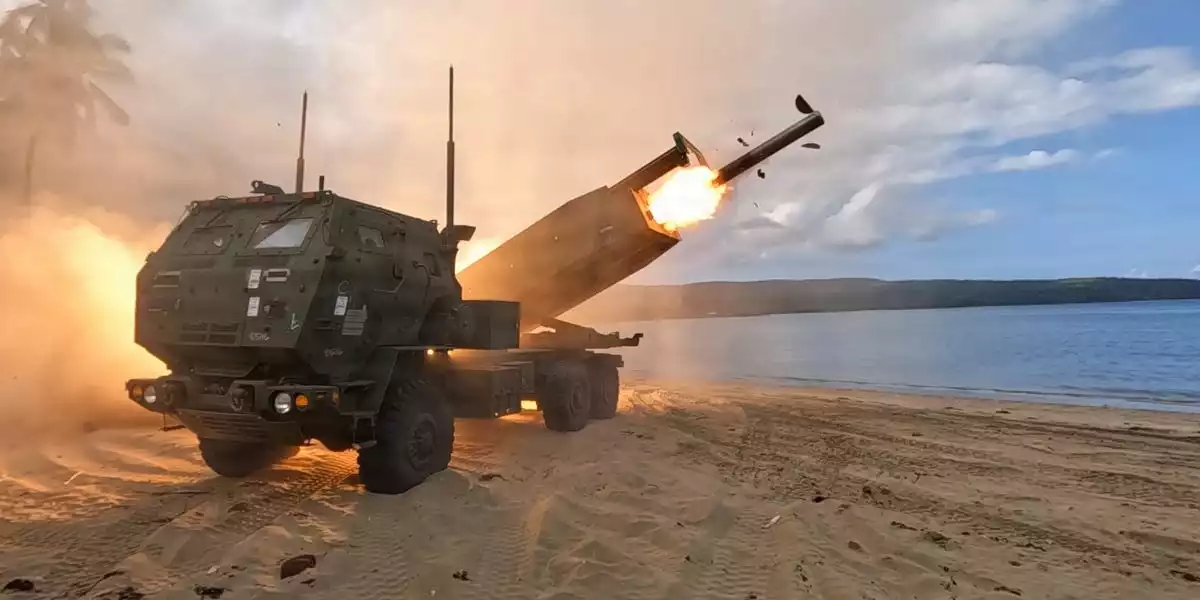

A new Pacific command built for contested connectivity and high-tempo conflict
The U.S. Army’s decision to stand up Multi-Domain Command–Pacific (MDC–P) at Joint Base Lewis-McChord is best understood as a structural bet on how future conflict in the Indo-Pacific will actually unfold: fast, distributed, and fought as much through data, spectrum, and autonomy as through traditional maneuver. By consolidating the 7th Infantry Division and the 1st Multi-Domain Task Force into a 12,000-soldier, self-sustaining headquarters, the Army is signaling that multi-domain operations are no longer an experimental overlay—they are becoming the organizing principle.
What makes MDC–P strategically notable is not simply scale, but composition. It pairs Stryker brigade combat teams—optimized for mobility and dispersed operations—with a modern stack of capabilities that are increasingly decisive in peer competition:
- Unmanned systems spanning ISR drones, loitering munitions, and swarm-capable platforms
- Cyber and electronic warfare (EW) units designed to attack and defend in the electromagnetic spectrum
- AI-enabled intelligence and decision support to compress sensor-to-shooter timelines
- Long-range precision fires to hold targets at risk across wider operational depth
The command’s validation pathway—Balikatan 2026 with Philippine forces—adds another layer of meaning. It positions MDC–P as both a warfighting headquarters and an interoperability engine, where allied forces can rehearse operating under communications denial, contested GPS, and aggressive EW—conditions that are increasingly assumed rather than exceptional.
The sensor-to-shooter “nervous system” and the rise of scalable autonomy
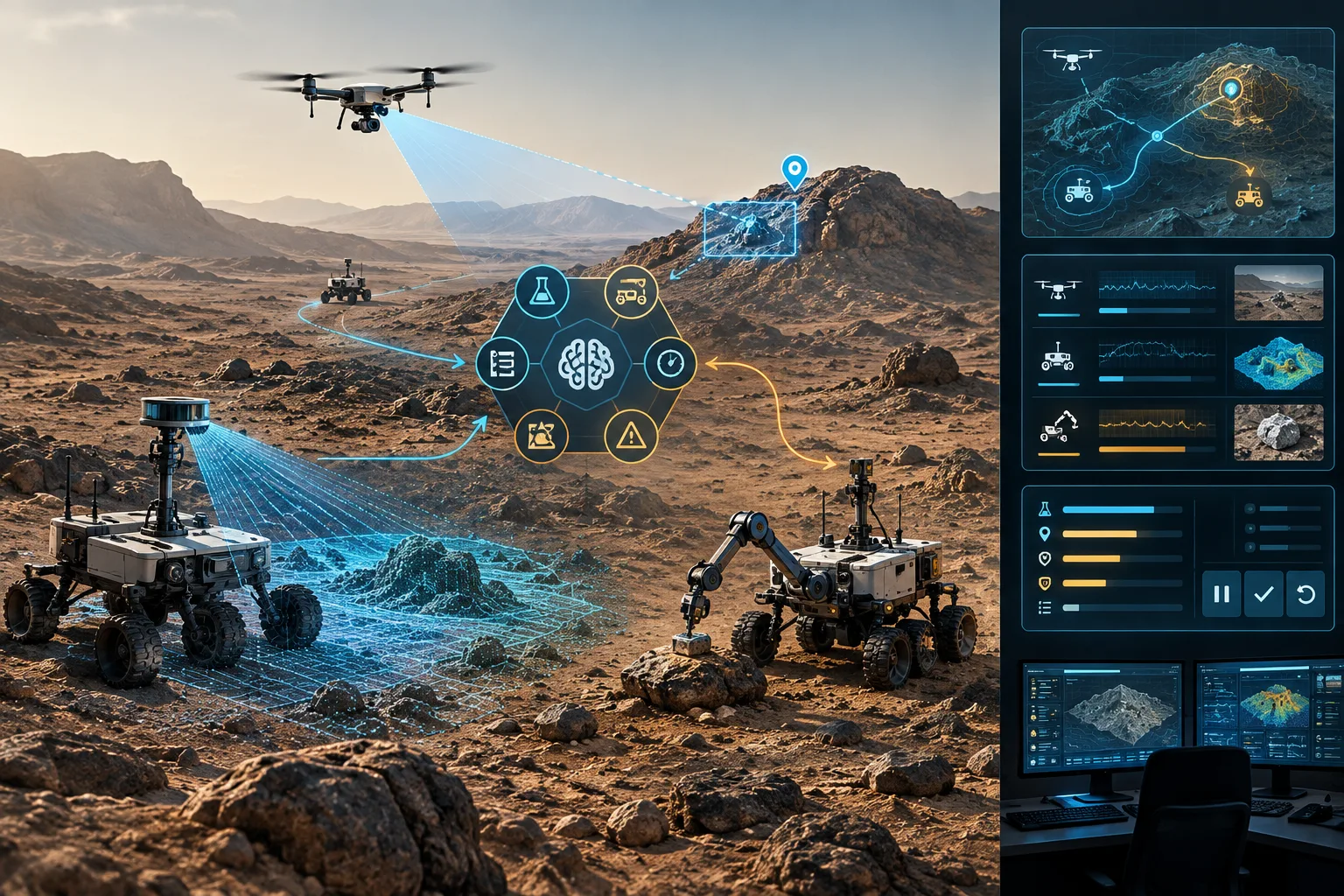
At the heart of MDC–P is a concept that defense technologists have chased for years: a cross-domain sensor–shooter nexus that can detect, attribute, decide, and engage in near real time. The command’s design emphasizes continuous sensing—from tactical UAV feeds to shore-based radar—and the ability to fuse those inputs into actionable targeting under pressure. This is where AI/automation becomes less about novelty and more about operational necessity: when the battlespace is saturated with signals, decoys, and drones, human-only processing becomes a bottleneck.
The Army’s explicit attention to Ukraine’s drone-centric battlespace is telling. Ukraine has demonstrated how inexpensive, proliferated drones can reshape reconnaissance, artillery correction, and strike—while also forcing constant adaptation against jamming and air defenses. MDC–P appears to be internalizing several practical lessons:
- Mass matters: swarms and attritable systems can saturate defenses and complicate targeting
- Resilience beats perfection: systems must function amid jamming, spoofing, and intermittent links
- Cycle time is decisive: the side that closes the kill chain faster gains disproportionate advantage
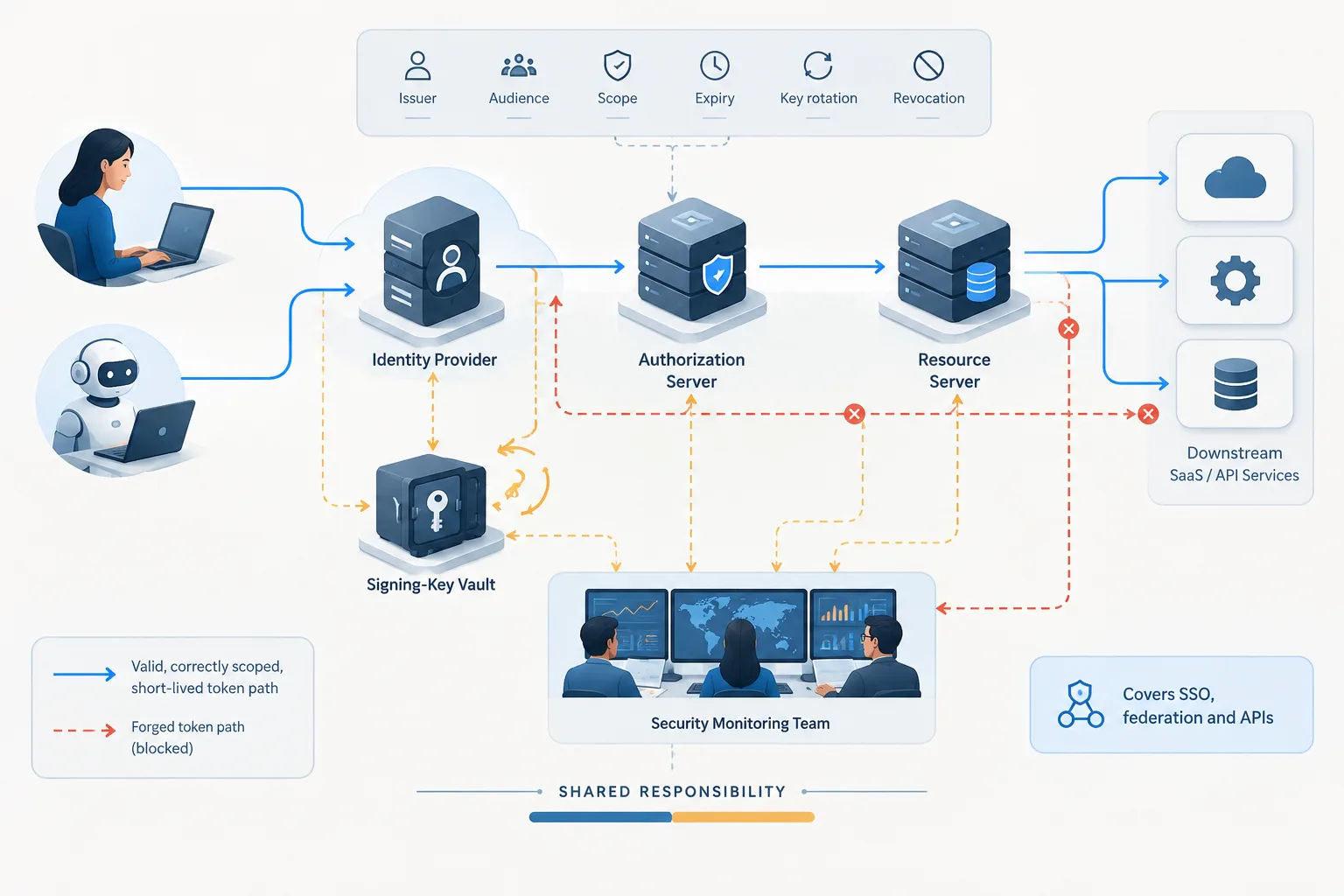
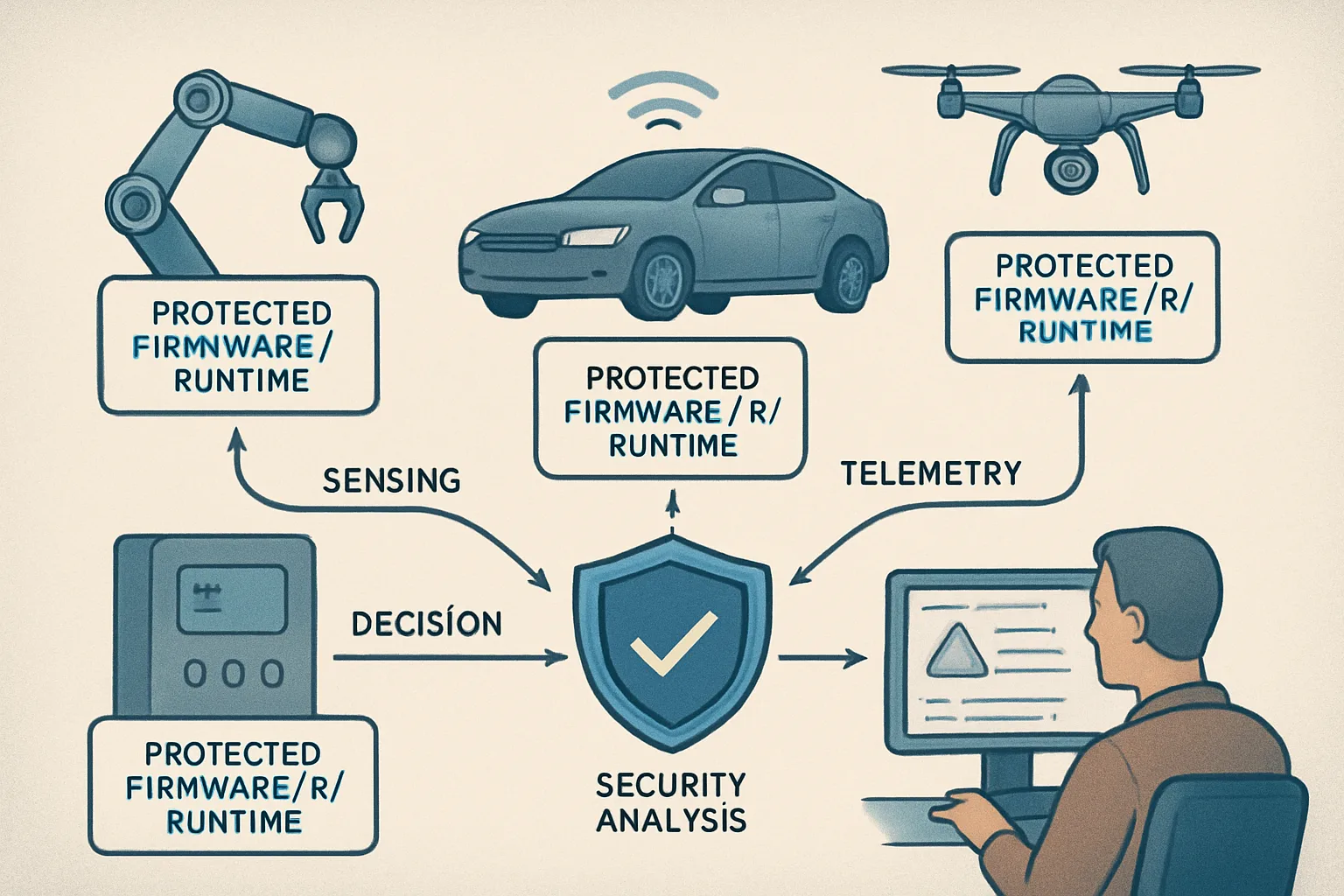
Yet the same architecture introduces new vulnerabilities. AI-driven targeting and automation depend on secure data pipelines, robust identity and access controls, and disciplined model validation. In a contested environment, adversaries will seek to corrupt inputs, degrade networks, and exploit overconfidence in algorithmic outputs. For MDC–P, the promise of speed is inseparable from the requirement for trustworthy AI, human-in-the-loop safeguards, and hardened edge compute.
Industrial base pressure, dual-use spillovers, and a reshaped defense technology market
MDC–P’s operational concept has immediate implications for the defense industrial base and for commercial technology firms navigating dual-use markets. Sustaining a 12,000-person command with high operational tempo unmanned systems is not just a procurement story—it is a supply chain stress test. Demand will concentrate around components that have already proven fragile in global markets:
- Semiconductors and AI accelerators for edge processing and autonomy
- Advanced sensors (EO/IR, RF, passive detection) and ruggedized compute
- Composites and specialty materials for airframes and survivability
- Secure networking equipment capable of operating in degraded environments
This also accelerates the convergence between military modernization and commercial infrastructure. Investments in ruggedized 5G/6G, mesh networking, and edge computing can spill into civilian applications—from logistics and port operations to agriculture and smart-city resilience—particularly across Indo-Pacific partners seeking both economic development and security hardening.
Market dynamics are likely to intensify. The push for integrated, interoperable “systems of systems” favors primes that can bundle capabilities, but it also creates openings for mid-sized innovators in robotics, EW, and cybersecurity. The result may be a new wave of defense-sector consolidation, including targeted acquisitions of drone startups, spectrum specialists, and AI tooling companies that can shorten the path from prototype to fielding.
Workforce implications are equally material. A command optimized for data-centric operations requires a pipeline of cyber operators, UxV technicians, EW specialists, and AI engineers—roles that compete directly with commercial hiring. Expect deeper university–industry–defense partnerships, revised recruiting incentives, and a premium on personnel who can bridge operations and engineering.
Deterrence signaling, alliance interoperability, and the inevitability of countermeasures
Strategically, MDC–P strengthens U.S. deterrence posture by making force employment more distributed, harder to target, and more interoperable with allies. Exercises like Balikatan are not merely training events; they are practical laboratories for secure data-sharing, common standards, and coalition command-and-control under stress. Over time, these technical alignments can become the scaffolding of broader security architectures—especially as partners seek credible options short of escalation.
At the same time, MDC–P’s emergence will accelerate adversary adaptation. Peer competitors are already investing in counter-drone systems, advanced EW, cyber disruption, and anti-satellite capabilities. Multi-domain advantage is therefore not a destination but a moving target—a continuous cycle of measure and countermeasure where survivability depends on modularity, rapid upgrades, and operational learning.
For business and technology leaders, the signal is clear: the Indo-Pacific defense environment is becoming a proving ground for open architectures, resilient networks, and governed autonomy. Companies that can deliver secure, low-latency edge systems; plug-and-play integration; and compliance-ready dual-use roadmaps will find opportunity—but only if they treat trust, interoperability, and supply chain resilience as first-order product requirements. MDC–P is being built to fight through disruption; the ecosystem around it will be judged by the same standard.
 By
By
 By
By
 By
By
 By
By

 By
By

 By
By