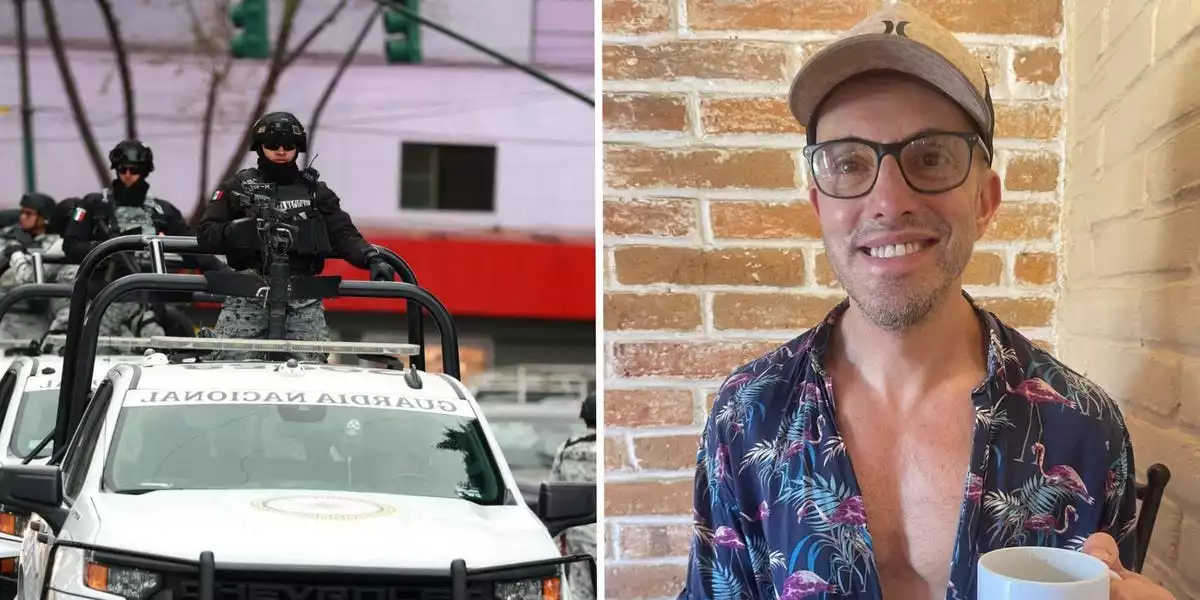

A sudden security shock exposes the hidden operating system of a tourism city
The account from Steven Polito (“Hedda Lettuce”), a New York–based drag performer and part-time resident of Puerto Vallarta, captures how quickly a seemingly stable market can flip into crisis mode. A morning that felt unusually quiet gave way to a stark visual of disruption—burned-out cars on major roads, shuttered storefronts, and a citywide pause in commerce—after the reported death of a local cartel leader triggered unrest.
For business and technology leaders, the episode is less a singular headline than a case study in operational fragility. Puerto Vallarta is a globally recognized destination with a strong hospitality and LGBTQ+ tourism identity, yet the local economy—like many tourism hubs—runs on tight margins and high velocity: daily foot traffic, short booking windows, gig-based labor, and confidence-driven demand. When safety perceptions wobble, revenue doesn’t merely decline; it can evaporate overnight, leaving workers and small businesses without buffers.
Polito’s decision to stay—despite having the privilege and mobility to return to New York—also underscores a critical asymmetry that executives often underestimate: in volatile environments, some stakeholders can exit, while others must absorb the shock. That gap shapes everything from brand trust to workforce stability and the legitimacy of corporate responses.
Social capital becomes crisis infrastructure when formal systems lag
One of the most strategically relevant elements in Polito’s narrative is not the violence itself, but what followed: neighbors clearing debris together, a local café offering support, and informal check-ins that helped residents orient themselves when official channels were quiet. This is social capital functioning as real infrastructure—an analog network that routes information, resources, and reassurance when institutional messaging is delayed or incomplete.
For companies operating in high-risk or disruption-prone markets—whether due to organized crime, civil unrest, or climate events—this points to a practical lesson: resilience is not only a matter of security spend or contingency plans; it is also a function of local trust density.
Business implications are concrete:
- Community ties accelerate recovery: informal mutual aid can reopen streets, restore basic services, and stabilize morale faster than centralized responses alone.
- Reputation becomes operational leverage: firms seen as embedded and supportive are more likely to retain staff, partners, and customer goodwill during turbulence.
- Local advisory structures reduce blind spots: “community councils” or neighborhood-based advisory boards can provide real-time context that dashboards miss—what’s open, what’s safe, what’s escalating, and what’s rumor.
In other words, social cohesion is not a soft metric. In moments of disruption, it becomes a distributed continuity system—and businesses that invest in it often experience lower friction when restarting operations.
Crisis communications: the gap between “what people know” and “what systems publish”
Polito reportedly learned what was happening through a friend at the gym—an informal alert channel—while formal communication was limited. This is a familiar pattern in fast-moving crises: information travels socially before it travels institutionally. For technology providers and enterprise risk teams, that gap is both a vulnerability and an opportunity.
The opportunity lies in building hyper-local, high-trust crisis communications that can ingest multiple signals without amplifying panic. A modern approach could combine:
- Citizen-sourced reporting (structured inputs, geotagged updates, photo verification)
- Business-owner status signals (open/closed, supply constraints, staffing availability)
- Public-sector feeds (law enforcement advisories, road closures, emergency notices)
- AI-driven triage (natural-language clustering, rumor detection, confidence scoring)
Done responsibly, this kind of civic-tech stack can help hotels, venues, and employers answer the questions that matter most in the first hours of disruption: *Where is it safe to move? Which routes are blocked? What services are operating? What guidance is verified?* The strategic aim is not surveillance—it is decision-grade clarity that reduces harm, protects employees and guests, and prevents misinformation from becoming a secondary crisis.
For executives, the key is governance: clear thresholds for alerts, privacy safeguards, and coordination protocols so that communications are timely, accurate, and non-inflammatory.
Investment, insurance, and near-shoring: volatility pricing moves from theory to balance sheet
Puerto Vallarta’s experience also highlights how security shocks propagate economically through tourism-dependent and gig-heavy ecosystems. When bookings pause and venues close, the impact concentrates immediately on contractors, service workers, and small operators—precisely the groups least likely to have robust insurance coverage or liquidity.
This is where financial innovation becomes strategic, not optional. Traditional business interruption policies often exclude cartel-related violence or civil disturbance, leaving a protection gap that can prolong downturns. A growing alternative is parametric insurance—products that trigger payouts based on verifiable indicators (official shutdown orders, validated safety alerts, transport disruptions), enabling faster relief for:
- independent contractors and gig workers
- small hospitality operators
- event venues and cultural businesses
- local suppliers dependent on tourist demand
At the macro level, the episode intersects with broader boardroom priorities: near-shoring to Mexico, cross-border mobility, and regional risk modeling. Localized violence can ripple into logistics corridors, staffing decisions, and insurance premiums. Companies expanding footprints in Mexico may increasingly treat “security volatility” the way they treat hurricanes or labor disruptions: as a scenario-planned variable with explicit cost assumptions, redundancy planning, and community-based intelligence.
Puerto Vallarta’s story ultimately lands on a pragmatic truth for business and technology leaders: in a world where shocks arrive without notice, competitive advantage often belongs to the organizations that treat community resilience, real-time information integrity, and financial shock absorbers as core infrastructure—not as corporate social responsibility add-ons.

 By
By
 By
By
 By
By

 By
By
 By
By


 By
By
 By
By