
The Rise of the Borderless Professional: Redefining Talent, Place, and Value
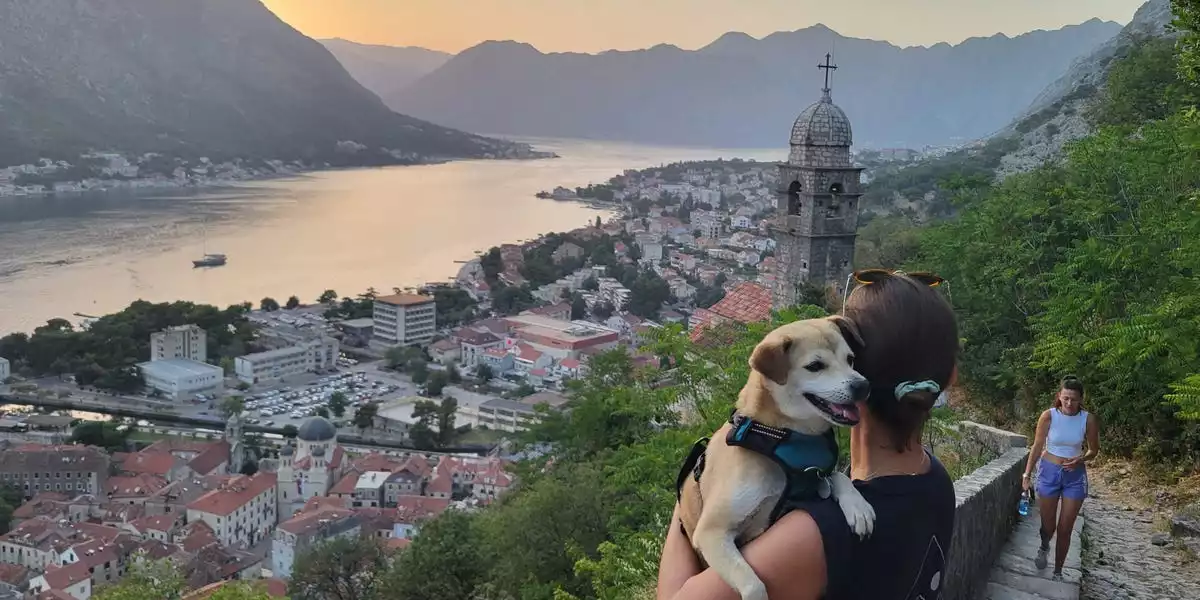
Kat Smith’s journey—from Peace Corps volunteer to globally mobile professional now rooted in Italy’s alpine north—serves as a lens through which to view the tectonic shifts reshaping work, real estate, and the very meaning of “home.” Her path is emblematic of a swelling cohort: the border-agnostic, digitally mediated, lifestyle-centric workforce. What once seemed a fringe experiment is fast becoming a macroeconomic force, with profound implications for businesses, investors, and policymakers alike.
Digital Nomadism and the New Geography of Talent
The normalization of remote work has catalyzed a global flywheel of talent mobility. Since 2020, the number of location-independent professionals has soared past 35 million, fueled by enterprise acceptance of distributed teams and the proliferation of digital infrastructure. Governments are responding in kind, from Portugal’s golden visas to Indonesia’s remote worker programs. Italy, where Smith now resides, has enacted its “Lavoratori da Remoto” visa, coupling tax incentives with a mandate to settle in underserved regions—a policy designed to channel digital capital into local revitalization.
This new era of capability arbitrage is not merely about working from anywhere; it is about building a portfolio of experiences, languages, and cross-cultural fluency. For corporations, this is no longer a nice-to-have. The global exposure that professionals like Smith acquire is rapidly becoming a proxy for leadership potential, often supplanting traditional credentials. The market is placing a premium on those who can navigate ambiguity, bridge cultures, and seed new micro-markets—skills that are now quantifiable and, increasingly, algorithmically assessed.
Local Economies in Flux: Real Estate, Hospitality, and the “Flex-Urban” Frontier
The influx of remote earners is reshaping local economies in ways both subtle and seismic. Cities like Trieste are experiencing micro-inflation, with rental prices climbing as newcomers outbid local wage earners—a pattern mirrored in Lisbon, Dubrovnik, and Mexico City. Yet the story is not one of displacement alone. The migration to smaller towns, such as Smith’s shift to Belluno, aligns with municipal strategies to sell under-occupied properties—sometimes for as little as one euro—to international buyers. This is rural re-capitalization by design, leveraging lifestyle migration as a tool for regional regeneration.
Hospitality, too, is undergoing a metamorphosis. The rise of “experiential sustainability”—exemplified by eco-lodges that blend lodging with environmental stewardship—reflects a demand for deeper, more meaningful forms of travel and living. These hybrid spaces are evolving into subscription-style offerings, where seasonal access and remote office amenities blur the lines between home, hotel, and workplace.
Technology’s Double Helix: Enabler and Product Catalyst
Underpinning this transformation is a rapidly maturing stack of digital tools and platforms. Remote professionals are driving demand for:
- Cloud-native productivity suites that facilitate seamless collaboration across time zones and borders.
- Borderless payroll and compliance platforms capable of navigating the patchwork of international tax and labor regimes.
- Fintech innovations such as multi-currency wallets, blockchain-enabled remittances, and usage-based insurance—now essential infrastructure for the itinerant workforce.
The data exhaust generated by this mobile class is itself a valuable commodity. AI-driven analytics are parsing the preferences and movements of nomads, informing municipal policy, real-estate valuations, and dynamic pricing in the travel sector. The emergent services stack—spanning HRTech, proptech, and fintech—reflects a market in rapid consolidation, as niche providers merge with mainstream SaaS giants seeking new adjacency revenue streams.
Strategic Horizons: Navigating the Permanently Mobile Future
The implications of this shift are as varied as they are profound:
- For enterprises: Geographic flexibility is now a lever for both talent retention and market expansion. Firms must invest in compliance architecture and prioritize hires with proven intercultural agility.
- For investors and developers: Secondary cities are emerging as “flex-urban” zones, with mixed-use coworking and coliving assets poised for outsized returns. Rental yields may compress in global hotspots but expand in well-connected satellite towns.
- For policymakers: The challenge is to attract foreign earners without pricing out locals—a delicate balance requiring tiered tax incentives and robust fiber connectivity.
Looking ahead, the convergence of talent mobility, real-estate innovation, and digital infrastructure is set to accelerate. Hybrid citizenship models—such as tokenized residency rights and fractional property ownership—are on the horizon, enabling professionals to assemble “citizenship portfolios” much like investment portfolios. Recruiters, meanwhile, are quantifying cross-cultural quotient (XCQ) alongside traditional skills, leveraging AI to parse candidates’ mobility histories and language proficiencies.
Kat Smith’s narrative is a harbinger, not an outlier. As labor markets, real estate, and technology strategies converge around the fluid, borderless professional, those who adapt—architecting policies and platforms for a permanently mobile talent base—will capture the lion’s share of value in the new geography of work.

 By
By
 By
By
 By
By
 By
By
 By
By


 By
By