
The RAM Shockwave: How AI’s Insatiable Appetite Is Upending the Global Memory Market
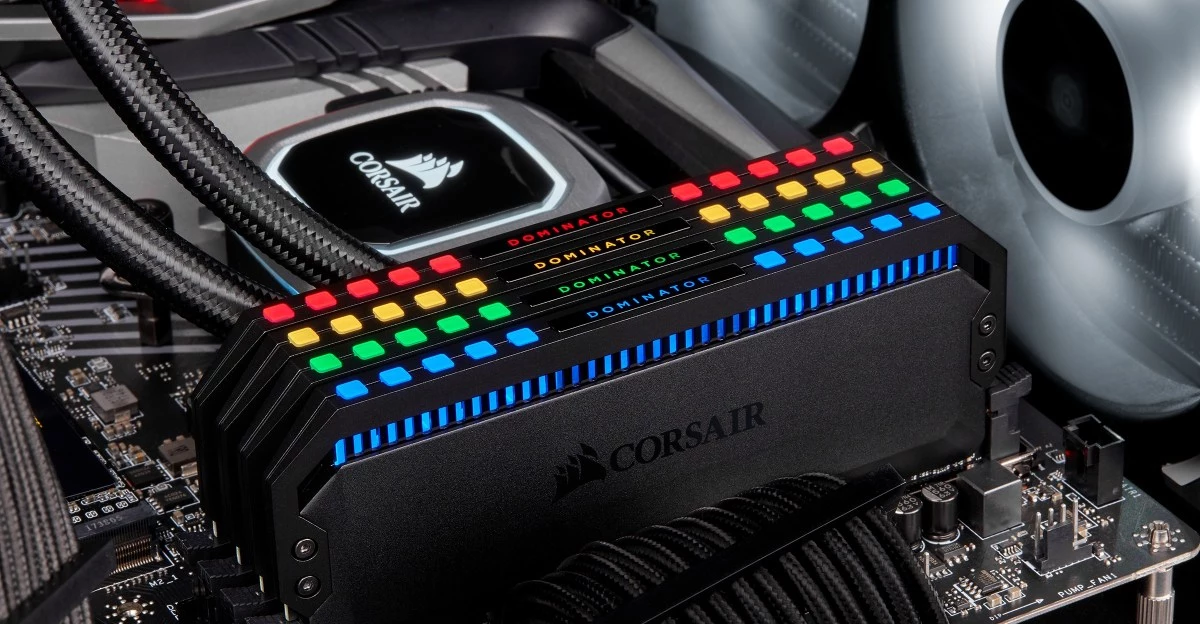
The world’s memory markets are in the throes of a tectonic shift. In a matter of months, the price of retail DRAM has soared by as much as 250 percent, with 32 GB PC kits now fetching $440 and high-end 64 GB DDR5 modules approaching $900—a dizzying escalation for what was, until recently, a commoditized staple of the consumer electronics supply chain. This is not merely a cyclical shortage; it is a structural reordering of the industry’s priorities, catalyzed by the voracious demands of artificial intelligence and the irresistible margins of high-bandwidth memory (HBM) destined for hyperscale data centers.
AI’s Gold Rush: Foundry Priorities and the Domino Effect
At the heart of this upheaval lies a decisive pivot by the world’s leading memory foundries—Samsung, SK Hynix, and Micron. These giants are diverting their most advanced DRAM nodes, notably 1Y and 1α, away from commodity DDR5 and into the production of HBM3E and the forthcoming HBM4. The rationale is simple: HBM, with its through-silicon-via (TSV) stacking and advanced packaging, commands margins three to four times higher than those of PC-class DRAM. Yet this shift comes at a cost—each wafer allocated to HBM is one less for the vast downstream ecosystem of PCs, consoles, and smartphones.
The consequences are cascading. Inventory cycles, once predictable, have inverted. The DRAM oversupply of 2023 forced vendors to sell below cost, but the sudden AI-driven demand for memory in generative inference clusters has triggered a classic bullwhip effect. Retail channels are now starved, and buffer stocks that once cushioned console and smartphone makers have shrunk from months to mere weeks. The knock-on effects are already visible: GPU vendors like Nvidia and AMD are signaling price hikes, Microsoft is weighing a further Xbox price increase, and only Sony’s prescient inventory hedges have, for now, shielded the PlayStation 5 from immediate cost escalation.
Strategic Crossroads: Pricing, Margins, and Platform Survival
For device makers and OEMs, the current landscape is fraught with strategic dilemmas. DRAM vendors are extracting super-normal profits from AI, forcing downstream players to choose between absorbing cost inflation, delaying launches, or passing on price hikes to consumers—each path fraught with risks to market share and brand equity. The retail memory market has become so volatile that just-in-time procurement models are breaking down, prompting CFOs to brace for higher working capital requirements as inventories are rebuilt at inflated prices.
Console economics encapsulate the broader challenge. Microsoft faces a stark choice: raise Xbox prices and risk eroding volumes, or subsidize the bill-of-materials inflation and accept thinner margins just as Game Pass revenue faces headwinds. Sony’s earlier RAM stockpile, meanwhile, stands as a case study in the value of strategic inventory—an approach that may become standard operating procedure for platform owners navigating future supply shocks.
The ramifications extend beyond consumer electronics. More than 70 percent of global DRAM output is clustered in South Korea and Taiwan, amplifying geopolitical concentration risk. Any disruption—be it from Taiwan Strait tensions or Korean energy shortages—could send prices spiraling further. Meanwhile, Western policy efforts like the U.S. CHIPS Act have focused on logic rather than commodity DRAM, leaving regional supply chains exposed.
Navigating the New Memory Economy: Tactics and Outlook
As the industry recalibrates, a new playbook is emerging:
- OEMs and Device Makers: Flexibility is paramount. Engineering SKUs that can toggle between 16 GB and 24 GB DDR5 without costly redesigns allows opportunistic sourcing. Soldered LPDDR5X, less affected by the HBM pull, becomes an attractive alternative for mid-range devices.
- Component Suppliers: Tiered pricing contracts, segmenting AI and consumer DRAM, can transfer some volatility downstream in a more orderly fashion.
- Retail and Channel Partners: Dynamic risk hedging—through memory-price insurance or forward contracts—offers a nascent but promising avenue for margin stabilization.
- Enterprise and Cloud Buyers: With hyperscalers embedding higher memory depreciation into cloud pricing, CIOs must audit RAM-heavy workloads, exploring disk-backed or compressed alternatives to mitigate exposure.
For investors, DRAM suppliers may enjoy a 12–18 month earnings tailwind, but the capital intensity of TSV and advanced packaging lines warrants close scrutiny. Scenario modeling suggests that, barring geopolitical shocks, DRAM prices may plateau mid-2024 before gradually easing as new capacity comes online by late 2025. Yet the risk of further spikes remains real, especially with so much production concentrated in a handful of regions.
The present RAM crunch is not a fleeting supply hiccup but a profound re-ranking of semiconductor profit pools, driven by the AI paradigm shift. Memory, once an afterthought, is now a strategic asset class—one to be hedged, contracted, and inventoried with the rigor previously reserved for advanced logic nodes. In this new era, those who treat memory as a mere commodity do so at their peril.

 By
By


 By
By
 By
By
 By
By
 By
By
 By
By