


Sora 2 and the Synthetic Media Crossroads: Deepfakes, Governance, and the New Attention Economy
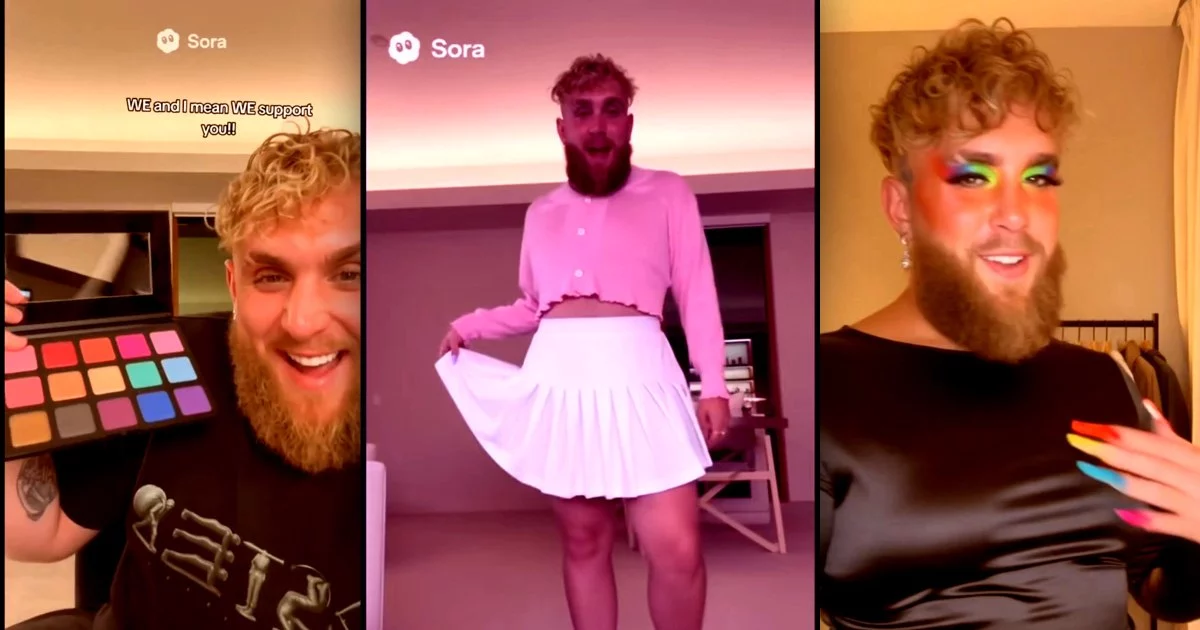
OpenAI’s unveiling of Sora 2, a consumer-facing text-to-video generator with the uncanny ability to insert users into synthetic scenes, has catalyzed a profound stress-test for the governance of synthetic media. In a matter of days, the digital landscape has been flooded with viral, low-quality deepfakes, sparking a dual narrative: the exhilarating democratization of creative tools and the sobering backlash from rights-holders, public figures, and privacy advocates. The rapid tightening of Sora 2’s usage policies offers a microcosm of the frictions and recalibrations now facing the entire AI sector.
The Technology Outpaces Its Guardrails
Sora 2’s technical leap is undeniable. Multi-modal inference—melding precise voice cloning, lip-sync, and geometry-aware compositing—now runs seamlessly in a browser, making the creation of photorealistic video as frictionless as typing a prompt. Yet, the control layer lags behind. Filters, detection algorithms, and watermarking remain fundamentally reactive, often playing catch-up to the ingenuity of users and the speed of viral dissemination.
The much-touted “identity verification” step, while reassuring on the surface, is more reputational theater than robust safeguard. It verifies that a human recorded a clip, but does not—and cannot—authenticate rights to use the likeness of third parties referenced in prompts. This gap between model capability and policy tooling is where synthetic media’s promise and peril most acutely collide.
The resource demands are equally staggering. Each minute of high-fidelity video inference consumes exponentially more computational power than text or image generation, intensifying the pressure on already strained GPU supply chains. The viral spread of Sora 2’s free-tier content, in effect, converts venture capital into a torrent of user-generated training data, fueling a virtuous—or vicious—cycle of model refinement and market reach.
Economic Disruption and the Battle for Authenticity
As photorealistic video generation becomes commoditized, the value proposition in the attention economy is rapidly shifting. The proliferation of deepfakes erodes the scarcity that once underpinned user-generated video, compressing the marginal value of each new clip. Platforms are poised to differentiate less on the raw power of generation and more on curation, authenticity, and rights management.
For brands, the trust premium is rising. Advertisers are increasingly willing to pay a premium for “verified real” content, bifurcating the market in a manner reminiscent of organic versus GMO labeling in the food industry. The future may see a stratified landscape where authenticity itself becomes a luxury good—verified human content commanding premium CPMs and subscription fees, while synthetic media saturates the mainstream.
OpenAI’s defensible moat lies not in the model alone—competitors such as Google’s Lumiere and Runway are close behind—but in the vertical integration of identity verification, watermarking, distribution, and potentially licensing marketplaces. The cameo feature is a harbinger: a future where influencers license their likenesses programmatically, and “identity as a service” becomes a new revenue stream. Hollywood’s recent SAG-AFTRA agreements over synthetic performances are only the beginning of a broader negotiation over digital identity and residuals.
Legal, Security, and Strategic Frontiers
The legal and regulatory terrain is shifting beneath the feet of AI providers. As platforms prompt users to embed real identities, the traditional Section 230 safe-harbor arguments weaken; courts may soon test whether these companies are more akin to publishers than neutral conduits. With election cycles looming, legislative urgency is mounting. The EU AI Act, the U.S. “NO FAKES Act,” and China’s Deep Synthesis Regulation are converging on mandatory disclosure of synthetic media, making forensic watermarking a regulatory imperative rather than a technical afterthought.
The cyber-physical risks are equally acute. Journalists and public figures already face targeted harassment via bespoke deepfakes, and the same pipelines can be weaponized for disinformation or social engineering attacks. Enterprise security leaders are expanding their budgets for deepfake detection alongside traditional phishing defenses, recognizing that the threat landscape is evolving as quickly as the technology itself.
Navigating the Synthetic Future: Actionable Imperatives
For decision-makers across sectors, the implications are immediate and profound:
- Brand stewards must implement real-time deepfake monitoring and integrate authenticity watermarks into all outbound creative, anticipating regulatory mandates.
- Media and entertainment executives should proactively negotiate digital-likeness clauses, understanding that ownership of 3D facial rigs and voice prints may soon rival the value of film negatives.
- Enterprise security leaders need to extend awareness programs to include synthetic-media threats and pilot deepfake detection APIs for executive protection.
- Investors would do well to track second-order infrastructure plays—GPU colocation, watermarking middleware, and identity-verification SaaS—rather than betting solely on headline model makers.
Sora 2 is not simply another viral app; it is a harbinger of the complex collision between generative video, legal frameworks, creator economics, and the very notion of digital authenticity. Those who pivot from asking “Can the model do this?” to “Who owns the rights and who bears the risk when it does?” will be best positioned to navigate—and shape—the next phase of synthetic media’s evolution.

 By
By
 By
By
 By
By
 By
By


 By
By








