


The Dawn of Empathic Machines: Robin and the Reimagining of Care
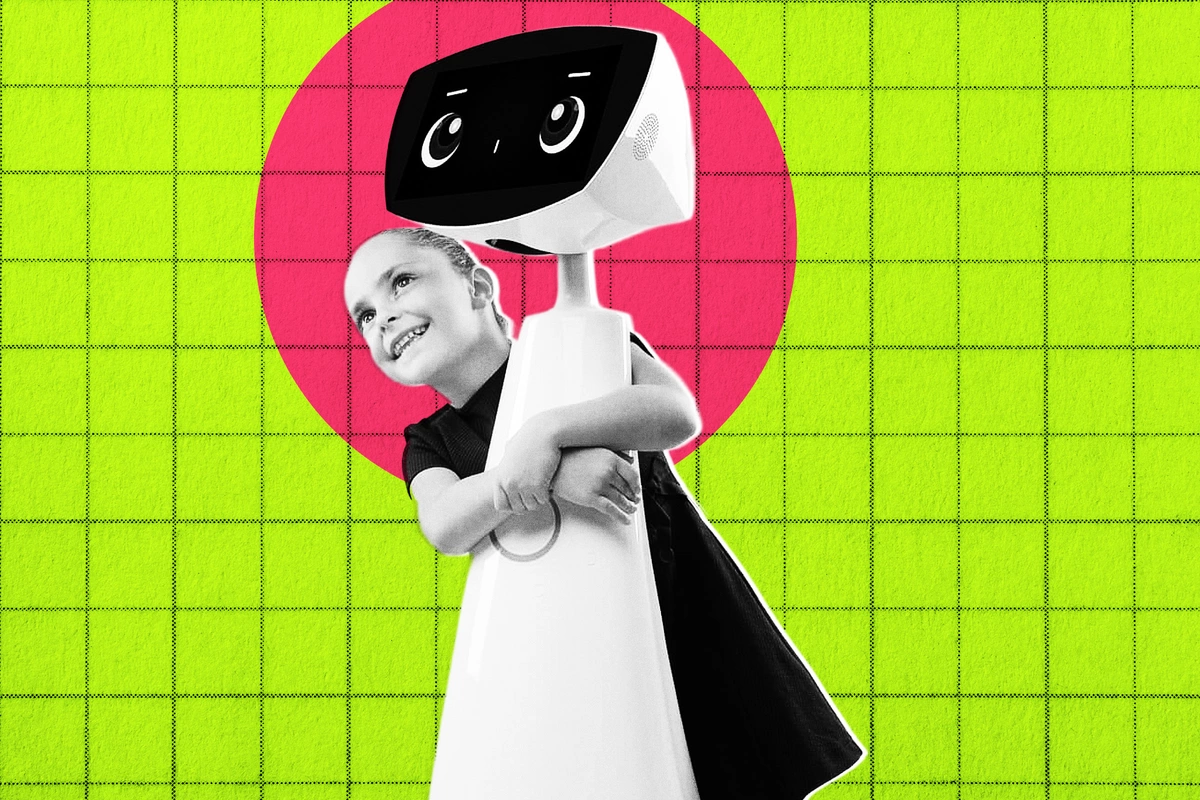
In the softly lit corridors of America’s hospitals, a new figure is making rounds. Robin, a semi-autonomous social robot developed by Expper Technologies, is not just a marvel of engineering but a harbinger of a profound shift in the healthcare landscape. With its wide, animated eyes and gentle voice, Robin is more than a technological novelty—it is a signal flare for the convergence of artificial intelligence, the experience economy, and the evolving demands of modern care.
From Telepresence to Emotional Intelligence: The Technical Frontier
Robin’s architecture is a study in hybrid intelligence. At its core lies the CompassionateAI stack—a suite of multimodal sensors and algorithms designed to interpret, mirror, and respond to human emotion. Cameras and microphones capture the nuances of facial expression and vocal timbre; sentiment analysis engines parse the emotional subtext. Yet, for all its sophistication, Robin’s empathy remains only partially algorithmic: about 30% of its interactions are AI-driven, while the majority are tele-operated by clinicians or trained contractors who “puppet” the robot when the software’s confidence dips below a critical threshold.
This human-in-the-loop model exposes both the promise and the limits of today’s affective computing. The industry has long since mastered deterministic robotics—the surgical arms and pharmacy bots that operate with mechanical precision. But the leap to probabilistic, relationship-centric platforms—machines that can genuinely understand and respond to the ebb and flow of human emotion—remains a work in progress. Robin’s continuous-learning pipeline, which feeds de-identified conversational data back into its algorithms, hints at a future where machines might one day close this empathy gap. For now, however, the human touch remains indispensable.
Economics of Empathy: Labor, Value, and the New Experience Premium
The arrival of Robin comes at a moment of acute strain for U.S. healthcare. With a projected shortfall of up to 450,000 nurses by 2025, the sector is desperate for solutions that can stretch limited human resources without sacrificing care quality. Robin’s Robotics-as-a-Service (RaaS) model—priced at $4,000 to $6,000 per month—offers a compelling value proposition. It benchmarks below the cost of a full-time child-life specialist, positioning the robot as a partial substitute in settings where labor is scarce and burnout is endemic.
Yet Robin’s true value may lie not in labor arbitrage, but in its capacity to elevate the patient experience. Hospitals now compete fiercely on satisfaction metrics like HCAHPS and Net Promoter Scores, which directly influence reimbursement under value-based care models. Early pilots suggest that Robin can boost these scores by 8–12 points—a difference that is not only emotionally resonant but also financially material.
The rise of remote teleoperators—those who guide Robin’s interactions from afar—heralds the emergence of a new labor niche. This “empathic gig work” is reminiscent of content moderation or remote ICU monitoring, and it raises complex questions about licensure, cross-state practice, and the platformization of psychological support. As healthcare delivery becomes increasingly virtualized, the boundaries between clinical care, entertainment, and education are dissolving, creating both opportunities and regulatory gray zones.
Data, Ethics, and the Strategic High Ground
Perhaps the most consequential aspect of Robin’s deployment is the data it generates. Each patient-robot interaction produces a trove of affective signals—information that could prove invaluable to pharmaceutical companies seeking insights into medication adherence, or insurers looking to refine behavioral risk scoring. Control over the abstraction layer that mediates between raw interaction data and clinical systems is rapidly becoming a strategic imperative.
But this data goldmine comes with ethical and regulatory risks. Emotional dependency, especially among minors, is a real concern. Informed consent protocols must extend beyond patients to their guardians, and the specter of HIPAA looms large over the capture of voice and video data. The EU AI Act and forthcoming U.S. regulations are poised to treat emotional AI as high-risk, demanding auditability and robust encryption. Meanwhile, the reputational risks—public backlash against perceived “care replacement”—echo the controversies that have dogged elder-care robots in Japan and South Korea.
Cybersecurity, too, is nontrivial. Social robots expand the hospital’s attack surface, and the possibility of lateral movement from a robot’s operating system to clinical networks cannot be dismissed.
Strategic Imperatives for Healthcare Leaders
The rise of therapeutic robots like Robin is less about gadgets and more about the quantization and commodification of emotional engagement. Forward-thinking executives are already conducting total-cost-of-ownership analyses that factor in not just labor savings, but cyber insurance premiums and potential reimbursement uplifts. Ethics committees are being chartered to vet affective AI pilots, and continuous consent mechanisms are being woven into user experience design.
Hospitals that treat robots as edge nodes in their digital front door strategy—integrating them with electronic health records and omnichannel patient engagement platforms—stand to harvest rich data and deliver closed-loop personalization across the continuum of care.
As the sector navigates this new frontier, the operational, data, and ethical architectures built today will determine whether therapeutic robots remain a novelty or become a strategic asset. The future of care may well depend on how deftly leaders manage this delicate balance between silicon and soul.

 By
By
 By
By
 By
By

 By
By
 By
By
 By
By
 By
By







