


Kojima’s “OD” and the New Geometry of Platform Power
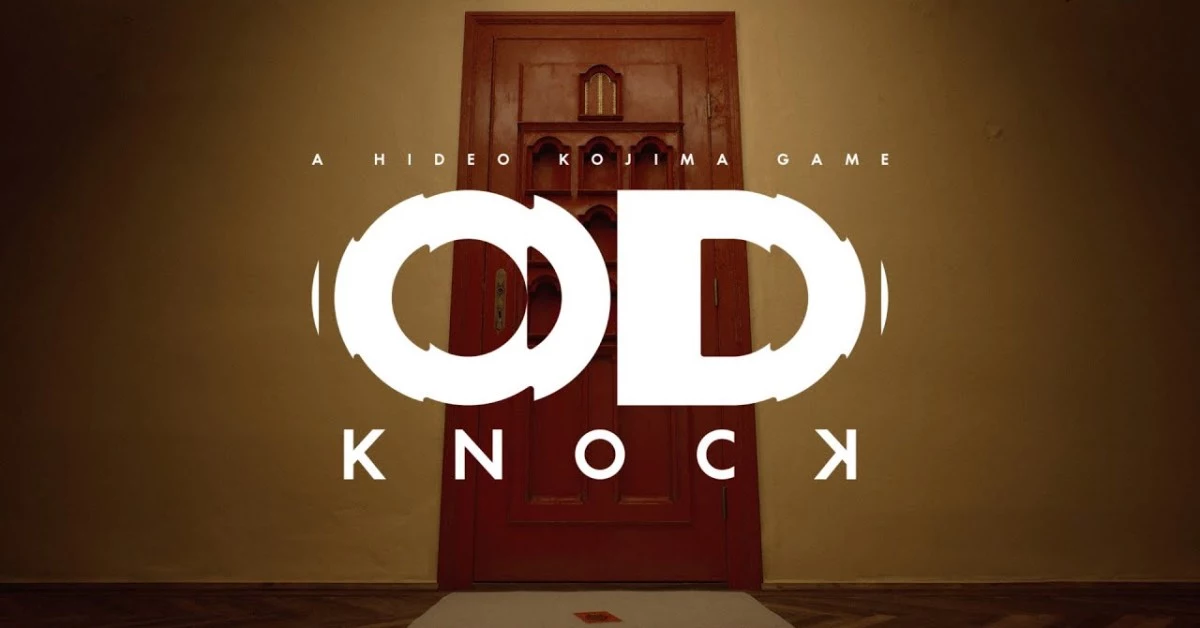
Hideo Kojima’s latest opus, “OD,” is not merely another entry in the pantheon of auteur-driven games. It is a calculated, high-stakes experiment—one that crystallizes the shifting tectonics of the interactive entertainment industry. The partnership between Kojima Productions and Microsoft’s Xbox division, underscored by a new Unreal Engine-powered teaser, is more than a headline; it is a harbinger of how technology, economics, and narrative ambition are being re-architected for the next era of gaming.
Unreal Engine’s Ascendancy and the Cloud’s New Frontier
The decision to build “OD” on Epic’s Unreal Engine, rather than Sony’s Decima, is both a technical and symbolic pivot. Kojima’s public endorsement of Unreal as “superior” to his previous toolkit signals a broader industry migration toward vendor-agnostic platforms. For Microsoft, anchoring a prestige exclusive on Unreal is a strategic coup. It aligns Xbox with a cross-platform ecosystem that benefits from:
- Robust developer mindshare
- A deep, liquid asset marketplace
- Rapid iteration cycles enabled by Epic’s toolchain
But the technological stakes run deeper. Kojima’s fascination with AI-driven content and real-time cloud rendering dovetails seamlessly with Microsoft Azure’s edge-compute capabilities. The promise is not just photorealistic horror, but gameplay that morphs in response to player biometrics or procedural narrative branches—features that would strain local hardware but thrive in a cloud-native environment. Here, “OD” becomes a testbed for elastic, modular content delivery, potentially validating episodic formats and real-time adaptation as the new normal.
Cinematic Storytelling, Cross-Media Synergy, and the Peele Effect
The involvement of filmmaker Jordan Peele is more than a celebrity cameo. It is a signal flare for the convergence of games and cinema. The production pipeline for “OD”—from mocap and LED volume stages to real-time in-engine cinematography—reduces post-production friction and opens transmedia possibilities. The subtitle “OD Knock” hints at modular, episodic storytelling, blurring the line between binge-worthy television and interactive narrative.
This hybridization is not accidental. As Hollywood’s creative class seeks autonomy and new revenue streams in the wake of industry strikes, interactive media becomes an irresistible canvas. Peele’s participation is emblematic of a broader migration—one that promises to inject fresh narrative DNA into AAA gaming, while accelerating cross-licensing and adaptation opportunities across film, streaming, and VR.
Platform Economics, Subscription Wars, and the Erosion of Engine Lock-In
“OD” arrives at a moment when the economics of exclusivity are being redrawn. High-budget, auteur-led titles are the most defensible moat for subscription platforms like Game Pass. For Microsoft, “OD” is a marquee driver—an instrument to mitigate churn and differentiate its offering in a post-Activision Blizzard landscape. The horror genre’s proven elasticity for DLC and merchandise, combined with Kojima’s cult following, opens the door to:
- Tiered monetization strategies
- Episodic content that extends engagement
- Incremental ARPU growth within Game Pass
Equally significant is the erosion of proprietary engine lock-in. Sony’s Decima, once the backbone of PlayStation exclusives, now faces a prestige defection. The industry’s gravitational pull toward Unreal reflects a recognition that first-party engines—be it EA’s Frostbite or Ubisoft’s Anvil—are ceding ground to platforms with superior tooling and broader talent pools. For decision-makers, this is a clarion call to cultivate multi-engine fluency and hedge against abrupt strategic pivots.
Strategic Imperatives and the Road Ahead
The “OD” project offers a living case study in how technology choices and creative partnerships will shape the next decade of interactive entertainment. Key takeaways for industry leaders include:
- Hedge Platform Risk: Diversify engine expertise to remain agile amid shifting alliances.
- Pilot Cloud-Native, Episodic Formats: Experiment with modular content and real-time branching to extend product lifecycles.
- Leverage Cross-Media Talent: Secure partnerships with film and TV creatives seeking interactive outlets.
- Monitor Generative AI Pipelines: Assess the potential for AI-driven asset and dialogue creation to reduce costs without sacrificing quality.
- Prepare for Subscription-Driven Competition: Evolve content budgeting and regional pricing to maintain subscriber momentum as premium exclusives become the primary battleground.
As “OD” moves deeper into production, it stands as a luminous marker of where the industry is headed: toward a world where the boundaries between film, game, and cloud service dissolve, and where the true platform is not just a box under the television, but a seamless, ever-evolving ecosystem. The implications will ripple far beyond Xbox or Kojima Productions, shaping the strategies of every stakeholder in the interactive entertainment value chain.


 By
By


 By
By

 By
By
 By
By







