
The Calculus of Care: Google’s Warranty Overhaul as Strategic Differentiator
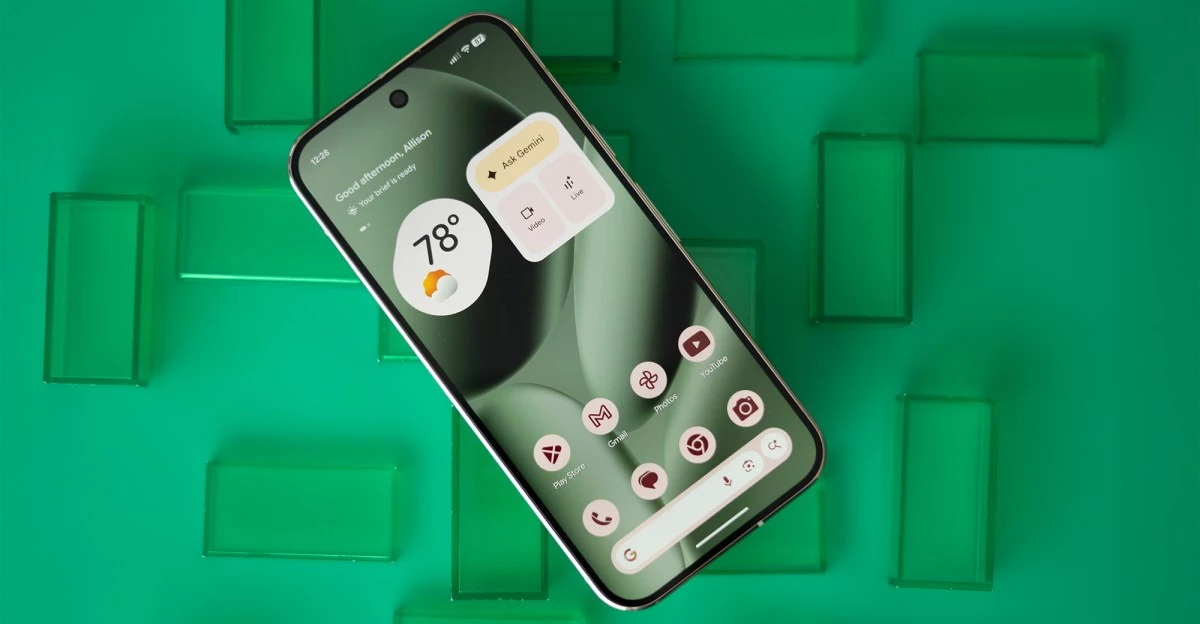
In the relentless contest for smartphone supremacy, it is often the subtleties of ownership—the friction points after the initial thrill of unboxing—that quietly shape brand allegiance. Google’s latest move to sunset its “Preferred Care” warranty, ushering in the more ambitious “Pixel Care Plus,” is a case study in how service policy can become a competitive instrument as potent as silicon or software.
By zeroing out deductibles for the most failure-prone components—screens and batteries—on its mainstream Pixel line, Google is not merely sweetening the deal. It is reframing the very notion of cost of ownership, elevating it to the same plane as camera prowess or AI wizardry in the consumer’s calculus. For $8 a month (or $159 over two years), Pixel 9 buyers now enjoy a kind of maintenance amnesty: break your screen, drain your battery, and the repair is on the house. Foldable owners, facing a steeper $18/month, are reminded that innovation’s bleeding edge still extracts its price.
Engineering Limits and the Foldable Paradox
Yet, the fine print tells its own story. The Pixel 10 Pro Fold, Google’s flagship in the nascent foldable category, carves out internal screen damage from coverage—a conspicuous omission for the very component most likely to fail. This is not mere actuarial conservatism; it is a tacit admission of the persistent fragility of ultra-thin glass and hinge assemblies, even in their third generation. Insurers’ unwillingness to underwrite this risk at scale signals that the dream of a truly robust foldable remains just out of reach. Until materials science catches up, consumers and OEMs alike must navigate an assurance gap, with bespoke riders or third-party solutions likely to proliferate.
This exclusion also underscores a broader industry tension: the race to innovate in form factor is outpacing the ability to guarantee durability. The result is a bifurcated risk landscape—mainstream slabs are now nearly worry-free, while foldables remain a frontier where every drop or bend is a calculated gamble.
Economic Realignment: From Margin to Ecosystem Value
Google’s willingness to absorb the cost of no-deductible repairs—often $200 or more per incident—signals a strategic pivot. The economics now hinge less on warranty margin and more on the lifetime value of a Pixel customer. This mirrors the AppleCare+ playbook, where generous terms underpin sky-high retention rates and lucrative service attach. By making loss-and-theft protection an à-la-carte add-on, Google further refines its risk pool, pricing each peril according to its true actuarial weight.
The implications ripple outward. Samsung’s earlier move to zero-price screen repairs set a new baseline, forcing Google to respond or risk ceding feature parity. For smaller OEMs—lacking the scale to negotiate favorable insurance terms or maintain robust repair networks—the bar has been raised. The competitive moat is no longer just about hardware specs, but about the seamlessness and generosity of post-sale support.
Regulatory Winds, Data Loops, and the Hardware-as-a-Service Horizon
Beyond the immediate consumer and competitive calculus, Pixel Care Plus is a deft regulatory hedge. As right-to-repair mandates gather steam in the EU and U.S., Google can point to its free screen and battery replacements as evidence of environmental stewardship and consumer empowerment. This preemptive compliance may spare it the dual costs of regulatory catch-up and competitive discounting.
There is also a subtler, data-driven play at work. By lowering the friction for authorized repairs, Google stands to harvest a trove of component-level telemetry—fuel for its AI teams to refine predictive maintenance, optimize materials, and perhaps even license analytics tools to other OEMs. The warranty, in this light, is not just a service but a sensor network, feeding the feedback loop that will shape the next generation of devices.
Finally, the normalization of monthly hardware payments—$8 to $18 per device—nudges the market further toward a hardware-as-a-service paradigm. Recurring revenue streams, long the holy grail for Wall Street, are now woven into the fabric of device ownership. Expect further bundling: Pixel Care Plus with Google One storage, Gemini AI subscriptions, or even cross-device loyalty perks, echoing the ecosystem logic that has made Microsoft’s Game Pass Ultimate a case study in stickiness.
As the mobile landscape evolves, the battle is no longer just for the moment of sale, but for the long tail of ownership. Google’s warranty overhaul is less an insurance refresh than a signal flare—a declaration that in the age of hardware–services convergence, the real contest is to turn buyers into lifelong participants in a high-ARPU ecosystem. The next frontiers—water-damage coverage, device-swap logistics, and foldable-specific risk products—will reveal just how far the industry is willing to go to erase the anxieties of ownership and cement loyalty in an era of proliferating choice.

 By
By
 By
By

 By
By
 By
By
 By
By

 By
By